2026 Best Energy Saving Windows Features and Benefits Guide?
In the quest for sustainable living, energy efficiency plays a pivotal role. As homeowners increasingly seek ways to reduce energy costs, energy saving windows have emerged as an essential solution. According to expert James Carter, “Energy saving windows are not just a trend; they are a necessity for a sustainable future.” This statement underscores the importance of selecting the right windows for modern homes.
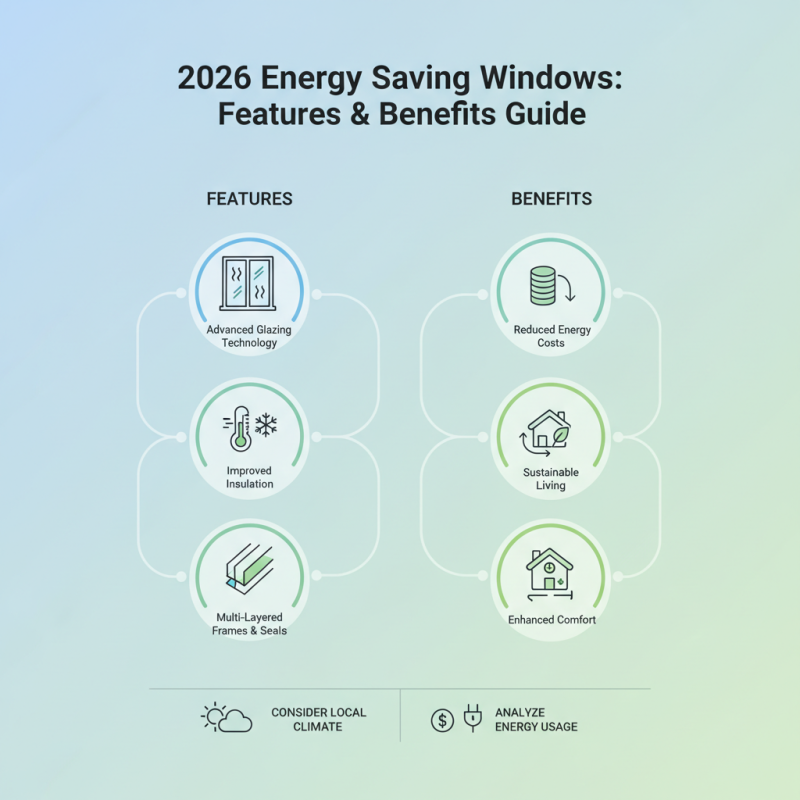
Energy saving windows provide numerous benefits, including improved insulation and reduced heating or cooling costs. These windows often feature advanced glazing technologies that reflect heat, enhancing efficiency. While many homeowners might overlook this aspect, the long-term savings can be significant. However, selecting the best features can pose challenges. The variety of options available may overwhelm some buyers.
Choosing energy saving windows is about more than just cost. It also involves understanding your home’s unique needs. Not every product suits every situation. Homeowners must consider local climate and personal energy usage patterns. These factors should guide your choices, leading to better decisions. The investment in energy saving windows can yield lasting returns. Hence, taking the time to understand their features is worthwhile.
Overview of Energy Saving Windows
Energy-saving windows offer numerous advantages for homeowners. They are designed to reduce energy consumption, which can lead to lower utility bills. These windows often feature double or triple glazing, which provides effective insulation. The spaces between the panes can be filled with inert gases to enhance thermal performance. This means your home stays warmer in winter and cooler in summer.
Besides insulation, energy-saving windows also minimize heat loss. They come with low-emissivity (Low-E) coatings that reflect heat back indoors. This technology helps maintain a stable indoor temperature. However, not every window performs the same. Installation quality might vary, impacting their efficiency. Homeowners should consider the proper sealing and installation to maximize benefits.
Natural light is another critical factor. Energy-saving windows typically use advanced glass technology to allow more daylight while blocking harmful UV rays. This can improve indoor environments. Yet, some may find it challenging to balance light and heat control. It requires thoughtful planning. Design choices should reflect personal preferences while optimizing energy efficiency.
Key Features of Energy Efficient Windows
Energy efficient windows are essential for modern homes seeking to minimize energy consumption. Key features include low-emissivity (low-E) glass, which reflects heat while allowing visible light in. This means your home stays warmer in winter and cooler in summer. Another feature is double or triple glazing. These layered windows trap air or gas between panes, providing better insulation. This can significantly reduce heating and cooling costs.
The frame material is also important. Options like vinyl, wood, and fiberglass each have unique thermal properties. Vinyl is durable and requires little maintenance. Wood offers natural insulation but needs upkeep. Fiberglass is strong and energy-efficient but can be more expensive. Each choice has its pros and cons, requiring careful consideration.
Ventilation is often overlooked. Properly sealed windows prevent drafts but can limit airflow. Sometimes, homeowners might face condensation issues. Finding the right balance is crucial. Many people don't think about functionality versus aesthetics. Energy efficiency should not compromise the beauty of your home. It’s a complex decision that demands reflection and planning.
2026 Best Energy Saving Windows Features and Benefits Guide
| Feature |
Description |
Benefits |
| Double Glazing |
Two panes of glass with a space in between |
Reduces heat loss, improves insulation |
| Low-E Glass |
Glass coated with a thin, transparent layer |
Reflects heat, minimizes UV rays |
| Gas Fills |
Inert gas (like argon) between panes |
Enhances thermal performance, reduces noise |
| Frame Material |
Wood, vinyl, or fiberglass frames |
Impact on insulation values, durability |
| Solar Gain Coefficient |
Measures how much solar heat enters |
Helps in managing indoor temperature |
| Operational Style |
Casement, sliding, double-hung |
Influences ventilation, ease of use |
Benefits of Installing Energy Saving Windows
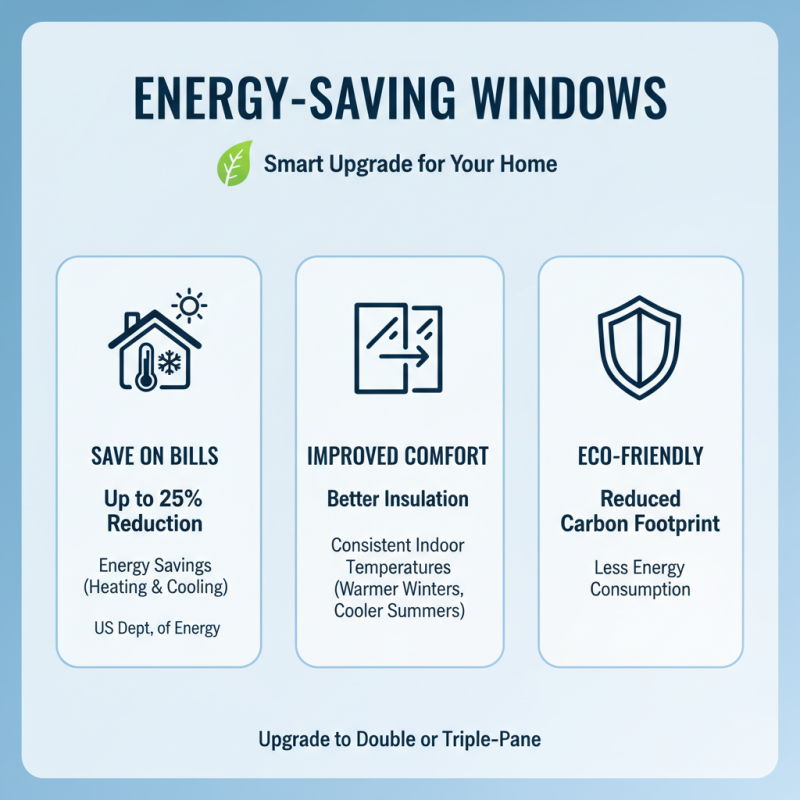
Energy-saving windows offer numerous benefits worth considering for any homeowner. According to the U.S. Department of Energy, replacing single-pane windows with energy-efficient double or triple-pane models can reduce energy bills by up to 25%. This reduction comes from improved insulation and reduced heat transfer, keeping homes cooler in summer and warmer in winter.
Another important aspect is the environmental impact. Energy-efficient windows help reduce greenhouse gas emissions. The Environmental Protection Agency has reported that energy-efficient upgrades, including windows, contribute significantly to lowering a household's carbon footprint. Investing in these windows aligns with sustainable living, making homes greener.
Tips for choosing energy-saving windows include looking for the Energy Star label, which signifies high performance. Check the U-factor and solar heat gain coefficient to ensure optimal insulation and comfort. Additionally, consider the framing materials. Vinyl and fiberglass frames can offer better thermal performance than traditional wood. Investing time in research can lead to better decision-making.
Comparative Analysis of Window Materials
When considering energy-saving windows, the choice of material plays a crucial role. Popular options include vinyl, wood, and fiberglass. Each material arrives with unique advantages and drawbacks. Vinyl windows are often favored for their affordability and low maintenance needs. However, they might not have the same aesthetic appeal as wood.
Wood windows provide natural insulation and aesthetic charm. They can enhance curb appeal significantly. Nevertheless, wood requires regular maintenance to prevent rot and warping. This need for upkeep can be a major concern for homeowners looking for durability. Fiberglass windows offer superior energy efficiency and don’t warp or crack easily. Yet, they often come with a higher price tag.
Despite the benefits, each material has limitations. For example, vinyl can fade over time and lacks the traditional warmth of wood. Wood, while beautiful, can become a maintenance nightmare if not properly cared for. Fiberglass, although efficient, may deter some buyers due to cost. Selecting the right window material requires careful consideration of these factors. Balancing aesthetics, cost, and energy efficiency is vital for satisfactory long-term results.
Tips for Choosing the Right Energy Saving Windows
Choosing the right energy-saving windows is crucial for comfort and efficiency. When selecting windows, consider the materials.
Vinyl frames are popular. They offer great insulation and require less maintenance. Wood frames aesthetics are charming but need extra care.
Pay attention to the window's energy rating. Look for certifications; they provide useful insights. Double or triple glazing significantly improves insulation. However, they can be heavier and cost more. Think about the style too. Aesthetic choices impact overall home appeal.
Installation is a significant factor. Poorly installed windows can lead to air leaks. Gaps and drafts can increase energy bills. Consider hiring professionals for best results. Remember, every decision counts. Reflecting on your choices can lead to better energy efficiency.