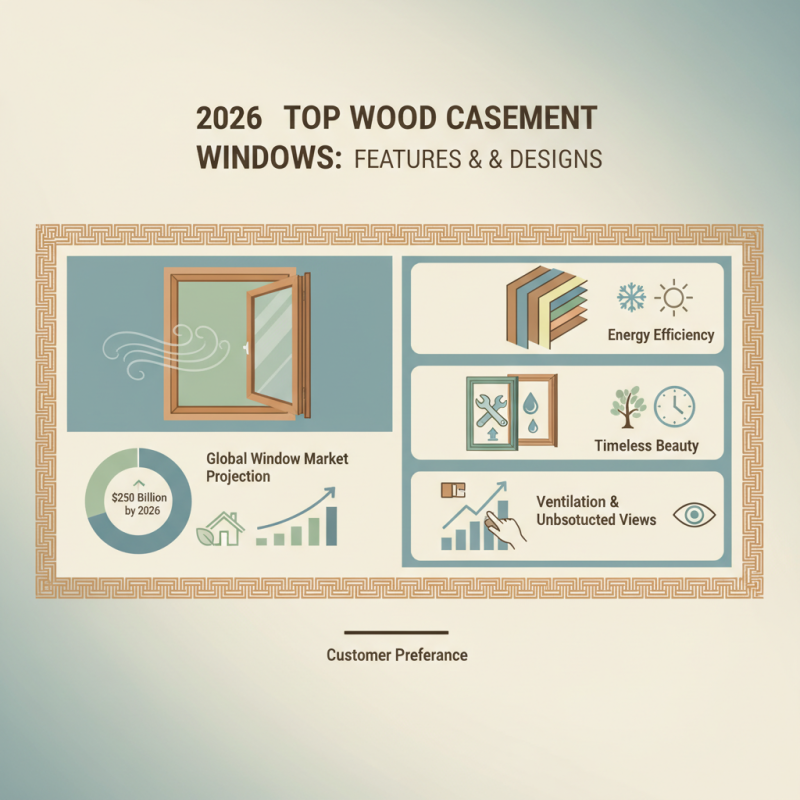
As we approach 2026, the demand for Wood Casement Windows continues to grow. According to industry reports, the global window market is projected to reach $250 billion by 2026. This signals a shift towards energy-efficient and aesthetically pleasing home designs. Wood Casement Windows appeal to homeowners for their timeless beauty and functionality.
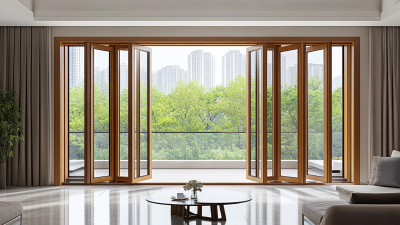
These windows offer excellent ventilation and unobstructed views. Their hinged design allows them to open outward, maximizing airflow. With advancements in manufacturing, these windows now also feature enhanced insulation properties. Homeowners can enjoy lower energy bills while maintaining a classic look. However, not all wood options are created equal. Some may shrink or swell due to weather changes, which can affect their durability.
While trends evolve, customer preferences for Wood Casement Windows remain steady. Many still wrestle with choosing between functionality and style. Though they provide natural beauty, maintenance is crucial. Regular painting or sealing may be necessary to avoid decay. As we delve into the features and designs of Wood Casement Windows for 2026, it's essential to consider both their strengths and potential shortcomings.
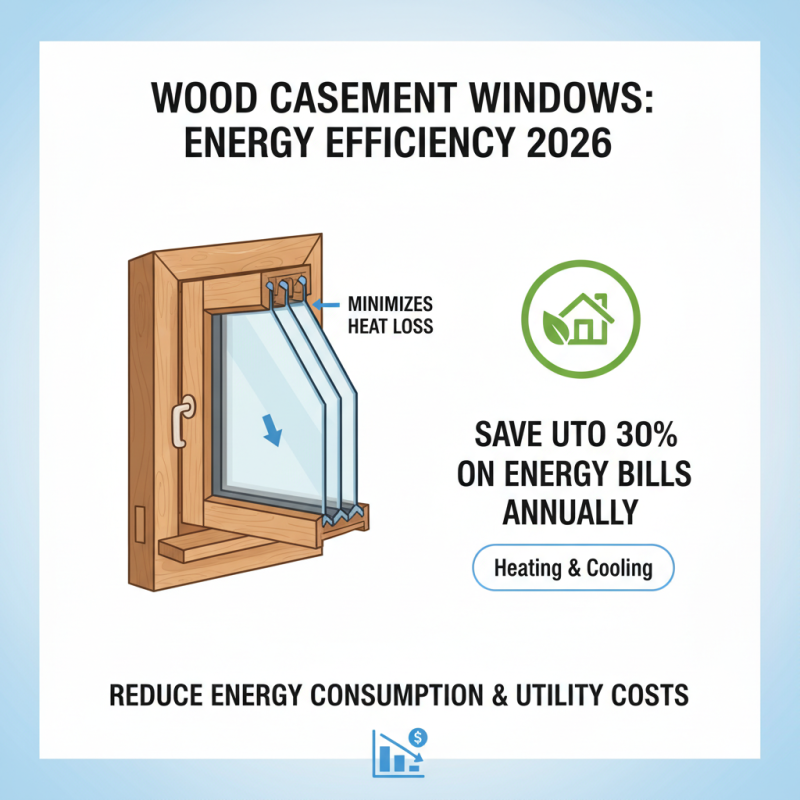
When selecting wood casement windows in 2026, energy efficiency is vital. These windows are designed to minimize heat loss. According to a recent industry report, energy-efficient windows can save homeowners up to 30% on heating and cooling costs annually. This shift is crucial for reducing overall energy consumption and utility bills.
Air leakage is a common issue. Many older wood windows struggle with this, leading to energy waste. Modern designs incorporate advanced sealing technologies. These enhancements ensure tight seals, significantly improving performance. Look for features like low-E glass to reflect heat while allowing light in. This can boost insulation and keep homes comfortable year-round.
**Tips:** Consider the frame material. While wood offers aesthetic appeal, combining it with composite or fiberglass can improve durability. Regular maintenance is essential. Even minor cracks in the frame can lead to energy loss. Small repairs can prevent larger issues down the line. Evaluate your windows periodically to maintain efficiency.
When selecting wood casement windows, durability is key. Choosing the right wood material can greatly impact their longevity. According to a 2022 industry report, windows made from high-quality wood species, like mahogany and oak, often last longer than softwoods. These materials resist warping and moisture damage better than others. It’s essential to invest in durable wood options that can withstand various weather conditions.
Tip: Always look for wood that has been treated for additional protection against decay. This extra step can extend the lifespan of your windows significantly. Regular maintenance is also vital. A well-maintained wood window can last over 30 years. However, neglect can lead to quicker deterioration.
Environmental factors play a significant role. Humidity, temperature fluctuations, and sunlight exposure can affect the wood’s integrity. A 2021 study indicated that windows in humid climates saw a 25% shorter lifespan. Therefore, local climate considerations should guide your material choice.
Tip: Consider adding a protective finish to your windows. This not only enhances aesthetics but also adds an extra layer of protection against the elements. Always prioritize sustainability and source materials responsibly.
| Feature | Description | Durability Factors | Preferred Wood Types |
|---|---|---|---|
| Energy Efficiency | High-performance glazing options help to retain heat and reduce energy costs. | Insulated frames and low-E glass minimize heat transfer. | Mahogany, Pine, Douglas Fir |
| Aesthetic Appeal | Available in a variety of finishes and custom sizes to enhance home design. | Natural wood finishes provide a warm, inviting look. | Oak, Cedar, Redwood |
| Maintenance Requirements | Regular painting or staining is needed to protect the wood. | Proper sealing enhances resistance to rot and insect damage. | Teak, Mahogany, Composite options |
| Security Features | Multi-point locking systems offer superior security access. | Reinforced frames enhance break-in resistance. | Engineered wood products |
| Noise Reduction | Double or triple-glazing can significantly reduce external noise. | Densely packed materials improve soundproofing. | Solid wood options, Polyurethane foam insulation |
In 2026, wood casement windows will witness a significant surge in innovative designs. Customization is becoming a key trend, driven by consumer demand for personalized aesthetics. According to a recent industry report, nearly 48% of homeowners prefer unique window designs that reflect their individual styles. This shift opens opportunities for manufacturers to offer bespoke solutions.
Eco-friendly materials are gaining traction. Sustainability is not just a buzzword; about 70% of new window products now feature recycled wood or sustainable sourcing. This reflects a broader awareness among homeowners about environmental impact. However, some designs may sacrifice performance for aesthetics, leading to potential inefficiencies in insulation. Balancing beauty and functionality remains a challenge for designers.
Color options are expanding as well. In 2026, expect to see rich, vibrant hues that go beyond traditional whites and browns. Custom color matching is now available, allowing for more creative blends. However, this might lead some manufacturers to overlook the durability of finishes. The focus on unique appearances can overshadow the importance of long-lasting solutions.
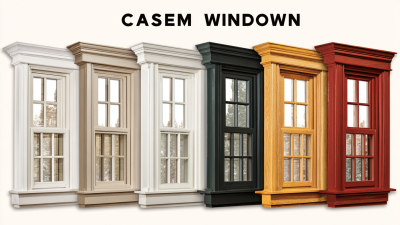
When selecting wood casement windows, aesthetic appeal plays a crucial role. Popular finishes include natural stains that showcase the wood’s grain. These enhance the organic beauty of the material. Light oak, rich walnut, or deep mahogany are excellent choices. Paint colors also attract attention. Soft neutrals like cream and sage offer subtle elegance. Bold options, like navy blue or dark green, make a striking statement. Each choice can drastically alter the character of a space.
Many homeowners may overlook the impact of texture. Smooth finishes provide a sleek look, while rough-hewn surfaces add rustic charm. Mixing textures can evoke a unique style, creating visual interest. Some might even experiment with distressed looks for a vintage vibe. This blending of aesthetics invites creativity and personal expression.
However, the decision-making process can be overwhelming. Balancing between current trends and timeless designs requires careful thought. It’s easy to be swayed by passing fashions. Finding a lasting appeal is sometimes challenging. In the end, each choice should reflect one’s own taste. Wood casement windows should enhance your home’s beauty while remaining true to your style.
This chart displays the most popular finishes and colors for wood casement windows in 2026. It provides insight into homeowner preferences in terms of aesthetics and design features.
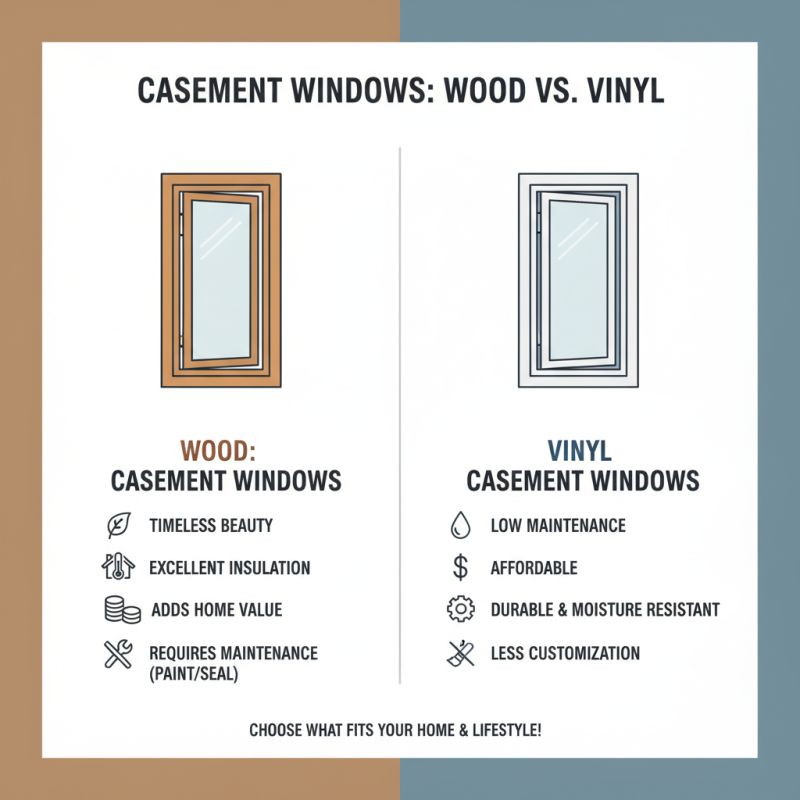
When considering window options, wood and vinyl casement windows each have distinct advantages. Wood windows offer timeless beauty and excellent insulation. They often add value to a home and can be customized in various styles. However, wood requires maintenance, such as regular painting or sealing. Over time, this upkeep can be costly and time-consuming.
Vinyl casement windows, on the other hand, are less expensive and easier to maintain. They are available in different colors and styles that mimic wood. Their durability is a plus; they won’t warp or decay like wood over the years. Yet, some may find vinyl less appealing than natural materials. The aesthetic might not suit all home designs, leading to potential dissatisfaction.
Cost-effectiveness can vary widely. While vinyl may initially seem cheaper, high-quality wood can provide a long-lasting investment when properly maintained. When evaluating options, consider your budget and personal preferences. The choice between wood and vinyl isn't just about price. It's about the long-term vision for your home. Balancing beauty, cost, and maintenance can be tricky but necessary for informed decisions.