2026 Top Types of Wood Replacement Windows for Buyers?
Choosing among Wood Replacement Windows in 2026 is not simply a style decision. It affects comfort, maintenance, energy use, and a home’s long-term character. Buyers may compare traditional wood windows, wood-clad models, engineered wood, and custom historic replacements. Each type handles rain, sunlight, temperature changes, and daily use differently.
Building-science expert John Straube has warned, “Windows are often the weakest link in the building envelope.” That observation still matters. A beautiful oak frame cannot compensate for poor installation, weak flashing, or incorrect glass selection. Look closely at the sill, corner joints, weather seals, and drainage paths. Small details matter.
This guide examines the leading Wood Replacement Windows types expected to attract buyers in 2026. It considers frame construction, glass packages, repairability, appearance, and regional climate. Coastal homeowners may value impact resistance and durable exterior cladding. Owners of older houses may need custom profiles, narrow sightlines, or historically accurate divided lights. Modern homes often benefit from cleaner frames and larger insulated glazing areas.
The “best” window is rarely universal. That is the uncomfortable part. A premium product can still perform poorly when measured incorrectly or installed carelessly. Budget options may also become expensive after repeated repainting and repairs. Buyers should question impressive ratings, request written warranties, and inspect real installations before committing. One showroom sample cannot reveal everything. Real homes are less forgiving.
The sections ahead compare these options clearly, helping readers balance appearance, performance, maintenance, and authentic wood character.
What Defines a Wood Replacement Window in 2026?
2026 Top Types of Wood Replacement Windows for Buyers?
What Defines a Wood Replacement Window in 2026?
A wood replacement window is designed to fit an existing wall opening, not a newly built structure. Installers usually remove the old sash, then measure the remaining frame carefully. An insert replacement keeps much of that frame. A full-frame replacement removes more material and exposes the surrounding opening.
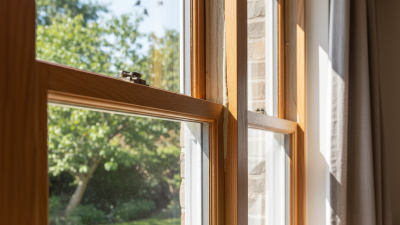
The defining feature is genuine wood in the interior frame or sash. Popular options include painted wood, stained wood, and wood with a weather-resistant exterior covering. Exterior cladding reduces maintenance, but it does not make the window maintenance-free. In my experience, moisture control matters as much as appearance. Poor flashing can damage beautiful wood within a few seasons. That detail is easy to underestimate.
Energy performance also defines a responsible 2026 purchase. Check the window’s U-factor, solar heat gain coefficient, and air-leakage rating. Confirm that the listed values match the installed configuration. A high-quality unit can still perform poorly when the opening is uneven or insulation is incomplete. The label alone is not enough.
Tips: Ask for a written installation scope. Confirm whether the quote includes sill repairs, trim, disposal, and interior finishing. Touch the existing frame before choosing an insert design. If it feels soft or smells musty, a full-frame inspection may be wiser. I would also request recent installation references, because real jobsite details reveal more than polished samples.
Top Wood Replacement Window Types for Modern Buyers
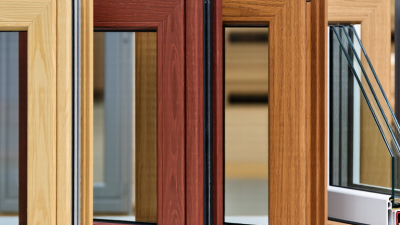
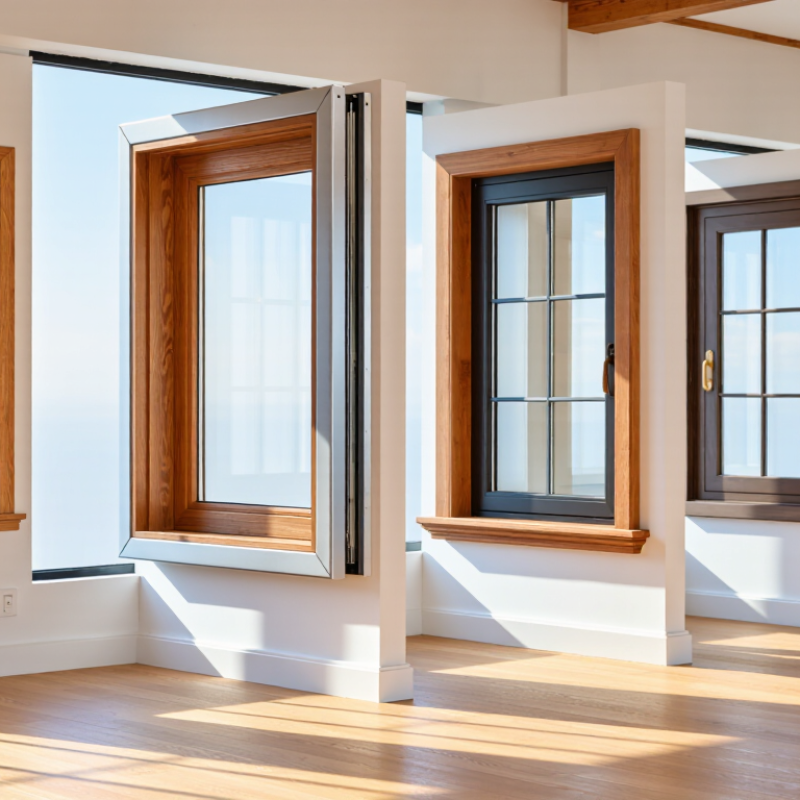
Wood replacement windows now suit more than traditional homes. Modern buyers often choose wood-clad windows for balanced performance. Their interior wood adds warmth, while an exterior aluminum or fiberglass layer resists rain and sunlight. This design reduces repainting and helps protect vulnerable joints. It works well in bedrooms, living rooms, and damp coastal climates.
Solid wood windows offer the richest appearance and the greatest customization. Oak, pine, and other stable woods can match trim, floors, or older architectural details. However, they demand disciplined maintenance. Inspect the sill each spring. Look for cracked paint, soft spots, or trapped moisture. A small defect can become expensive after one wet season. They are beautiful. They are not effortless.
Composite wood windows combine wood fibers with durable resins or engineered materials. They can provide consistent dimensions and better moisture resistance than basic timber. Their surfaces may also accept interior paint more evenly. For energy performance, buyers should compare whole-window U-factor and SHGC values, not glass claims alone. Double glazing suits many moderate climates, while triple glazing can improve comfort in colder regions. Professional installation still matters. An excellent window can leak when the opening is poorly flashed or improperly leveled. Custom sizes may preserve a historic look, but they raise costs and extend delivery times. That trade-off deserves honest attention.
How Wood Window Materials Affect Performance and Lifespan
Wood replacement windows are not defined by appearance alone. Their material controls heat flow, moisture resistance, maintenance, and service life. Solid wood provides natural insulation and can be repaired after minor damage. However, it expands and contracts with humidity. Moisture changes everything.
Engineered wood uses layered fibers or veneers, improving dimensional stability. It may resist warping better than untreated solid timber, especially in wet climates. Wood-clad windows add an exterior protective layer, often metal or composite, while keeping wood indoors. This reduces repainting but does not eliminate inspection needs. The U.S. Department of Energy reports that windows can account for 25–30% of residential heating and cooling energy use. Therefore, material selection should include glass performance, frame design, installation, and air sealing.
NFRC certification data helps buyers compare U-factor and solar heat gain coefficient rather than trusting marketing language. Lower U-factor generally means better insulation, while SHGC should match local sun exposure. A 2023 U.S. Forest Service wood durability report also emphasizes moisture control as a major factor in wood performance. In practice, a well-installed wood window can outperform a cheaper product with better material on paper. Details matter. I would not promise a fixed lifespan, because drainage, paint maintenance, indoor humidity, and installation quality can change results dramatically. Even premium timber may fail early when water remains trapped around the sill. Not always.
How to Compare Energy Efficiency, Maintenance, and Design
Wood replacement windows can deliver warmth, strong insulation, and a detailed architectural appearance. However, buyers should compare tested performance rather than rely on frame material alone. The U.S. Department of Energy estimates that windows account for 25–30% of residential heating and cooling energy use. Check the NFRC label for whole-window U-factor, solar heat-gain coefficient, visible transmittance, and air leakage.
Lower U-factor generally means better insulation. In colder climates, a moderate solar heat-gain coefficient can help collect useful winter sunlight. In hot regions, a lower value may reduce unwanted indoor heat. ENERGY STAR requirements vary by climate zone, so one specification cannot fit every home. Installation quality matters too. A well-rated window can still perform poorly when flashing, drainage, or perimeter sealing is neglected.
Maintenance deserves equal attention. Factory-finished wood usually needs less frequent repainting than unfinished surfaces, but exposed edges, joints, and exterior trim still require inspection. Moisture damage often begins quietly near sills. I would inspect those areas every spring, even when the finish looks acceptable. Design comparisons should include glazing bars, sill depth, opening style, and interior finish, not just color. Wood feels substantial. Yet that appeal can become expensive if repainting access is difficult or local humidity stays high. Energy reports offer useful guidance, but the final decision should reflect the home’s orientation, weather exposure, and realistic maintenance habits.
Buyer Checklist for Measuring, Installation, Cost, and Warranty
2026 Top Types of Wood Replacement Windows for Buyers?
Measure before choosing the wood species. Record width and height at three points, then use the smallest measurement. Check jamb depth, sill slope, and the existing opening’s squareness. A practical mistake is measuring only the visible glass. Replacement windows fit inside the frame, while full-frame units require more wall and trim removal. The U.S. Department of Energy reports that windows can cause 25%–30% of residential heating and cooling energy use. Therefore, request the NFRC label and compare U-factor, solar heat gain coefficient, and air leakage. Lower U-factor usually means better insulation.
Installation quality can defeat an expensive window. Ask whether the installer will use a sill pan, compatible flashing, backer rod, and low-expansion foam. Confirm that the rough opening will be checked for water damage before installation. Small gaps matter. Wood also needs disciplined maintenance around paint, sealants, and drainage paths. I would not treat a “maintenance-free” claim as absolute; exterior exposure still changes the finish over time. The 2024 Remodeling Cost vs. Value Report shows that window replacement resale recovery varies by project type and market, so projected payback should not guide the purchase alone.
Get a written estimate separating the window, interior trim, exterior cladding, disposal, permits, and labor. Ask about lead times and change-order fees. Warranty details deserve equal attention: verify coverage for glass, hardware, factory finish, installation labor, and moisture-related failure. Check transferability and exclusions. ENERGY STAR guidance supports climate-appropriate window selection, but local conditions still matter. A warranty can look generous. Read every limitation.