2026 Top Trends in Wood Windows for Modern Homes?
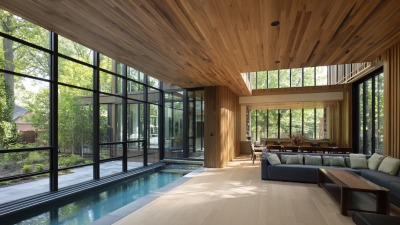
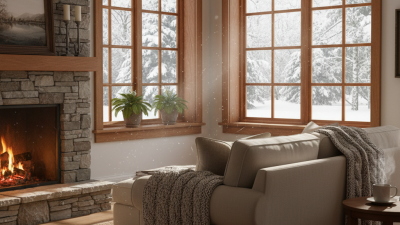
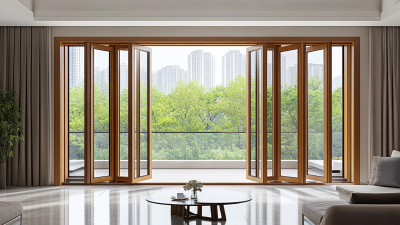
As we plan for the future of modern homes, wood windows emerge as a key feature, blending aesthetic charm with functionality. In 2026, homeowners will seek designs that balance style and energy efficiency. Wood windows provide a natural warmth, enhancing any interior space. Their versatility allows for various architectural styles, making them a preferred choice.
Today's architects are exploring innovative finishes and sustainable sourcing methods for wood windows. These trends elevate the material's look, ensuring durability while respecting the environment. However, challenges persist. Homeowners often face maintenance concerns and the pricing of premium wood windows can be a barrier.
The wood window market is adapting, offering solutions that satisfy both design aspirations and practical needs. Awareness of trends is essential for informed choices. As preferences shift, understanding wood windows' role in sustainable building practices becomes increasingly important. This evolution reflects a growing commitment to eco-friendly home solutions while maintaining a classic appeal.
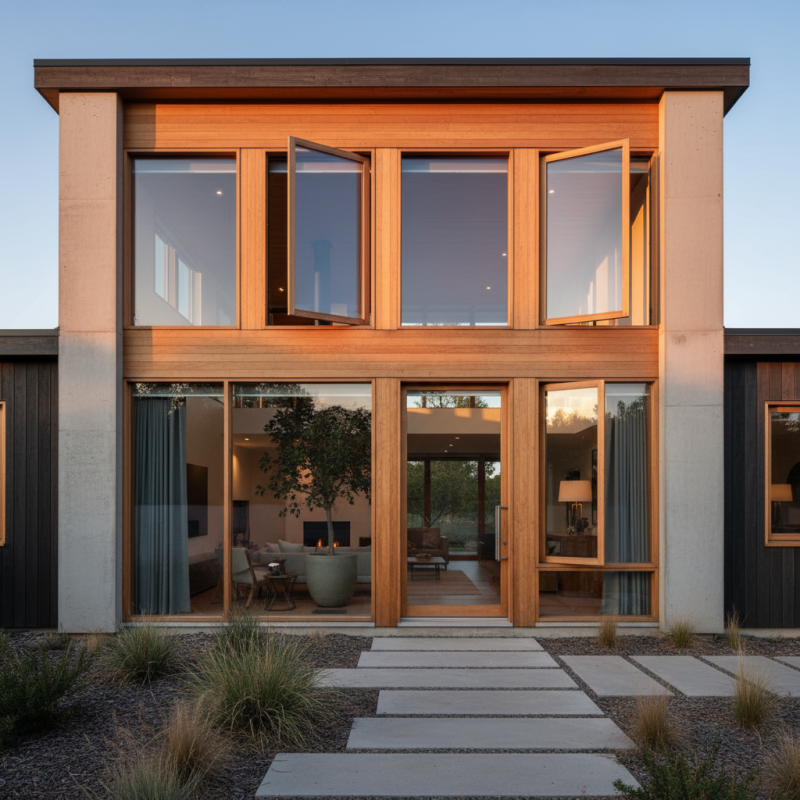
Emerging Trends in Wood Windows for Contemporary Architecture in 2026
Wood windows are making a comeback in modern architecture. In 2026, the focus on
sustainability is driving innovative designs. These windows not only enhance aesthetics
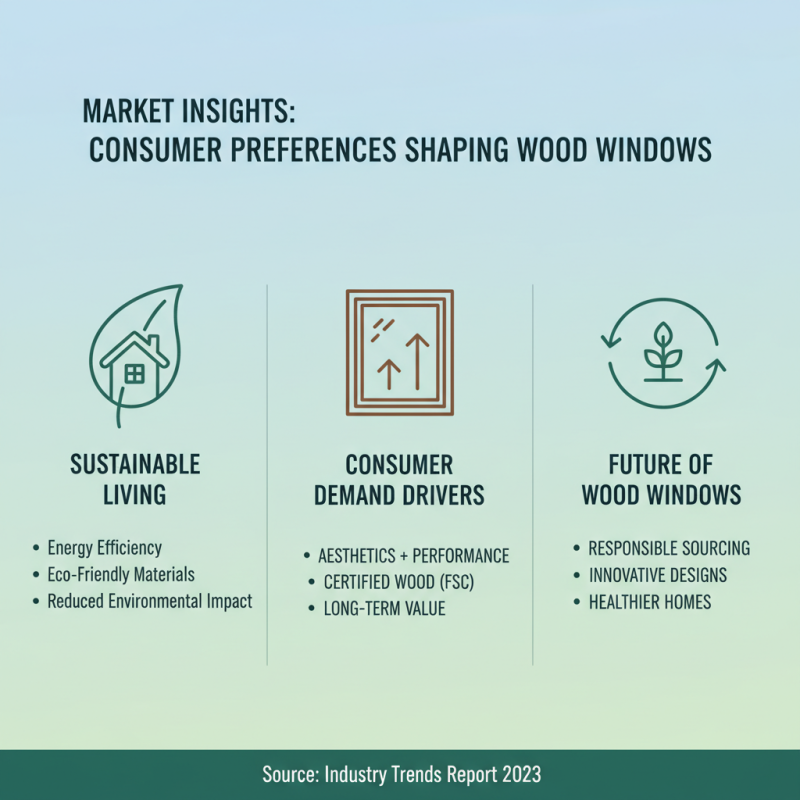
but also improve energy efficiency. More homes are opting for certified sustainable woods, ensuring minimal environmental impact.
Designers emphasize natural finishes that highlight wood's beauty. Warmer tones and textures resonate with many homeowners.
Custom shapes and sizes allow for unique architectural touches. These trends reflect a desire for
connection with nature in modern living spaces.
Tips: Consider window placement for optimal light. Maximizing sunlight can reduce energy costs. Regular maintenance is
crucial to ensure longevity. Even the best materials can wear over time.
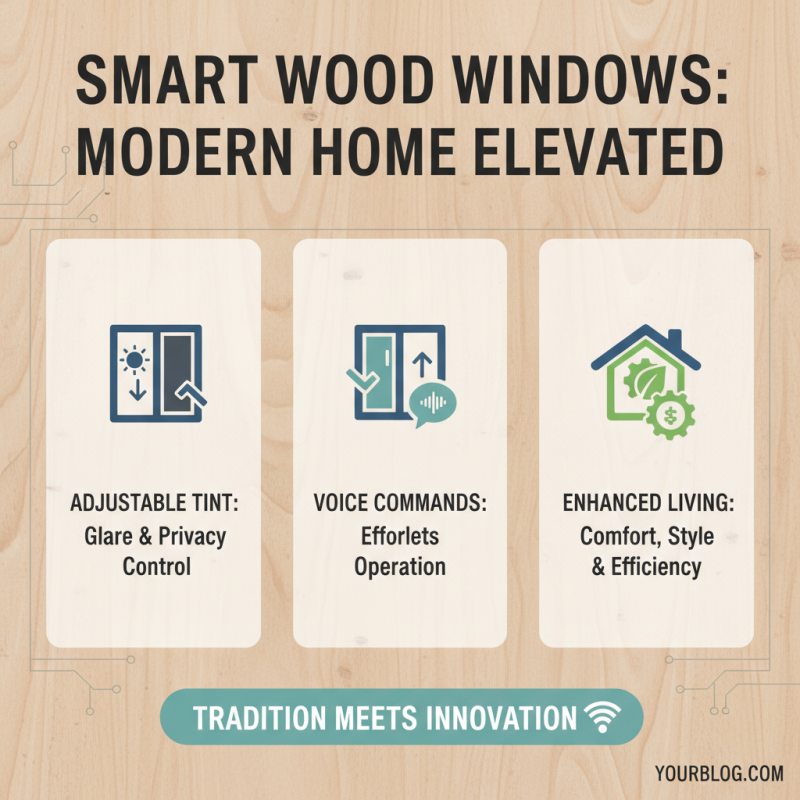
Emerging technologies are also influencing wood windows. Smart glass features
can adjust transparency based on light levels. This innovation adds both convenience and energy savings. It’s essential to stay updated on
new advancements. The balance between technology and traditional craftsmanship is vital in 2026.
Energy Efficiency: The Role of Wood Windows in Sustainable Building Design
Wood windows play a crucial role in sustainable building design. These windows provide excellent insulation, which helps reduce energy consumption. In modern homes, they can significantly decrease heating and cooling costs. The natural thermal properties of wood create a barrier against temperature fluctuations. This trait makes wood windows more efficient than some alternatives.
Moreover, wood is a renewable resource, making it an environmentally friendly option. Choosing responsibly sourced timber can lower a home's carbon footprint. However, not all wood windows are created equal. Some may require treatments that impact their sustainability. It's essential to consider the lifecycle of materials used in these products.
While they are a great choice, wood windows also have challenges. Maintenance is often overlooked, which can lead to durability issues. Homeowners must commit to regular upkeep to ensure longevity. Without proper care, these windows may not perform efficiently over time. Recognizing the balance between aesthetics and functionality is key in making informed decisions.
2026 Wood Windows Energy Efficiency Trends
Innovations in Wood Treatment for Enhanced Durability and Aesthetics
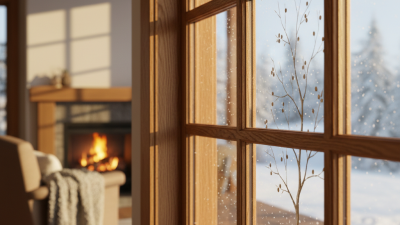
The trend towards wood windows in modern homes is driven by innovations in wood treatment that enhance both durability and aesthetics. Research indicates that homes with well-maintained wood windows have a higher resale value, by approximately 15%. This is due to wood's ability to blend with modern architectural designs while offering energy efficiency. Recent advancements in protective coatings make wood resistant to moisture, UV rays, and pests, significantly increasing its lifespan.
Choosing the right finish can drastically impact the beauty and longevity of wood windows. Many modern treatments incorporate nanotechnology, which not only provides a resilient surface but also enhances the wood grain's natural beauty. These innovations can lead to a maintenance-free window frame for up to 10 years.
**Tip:** Always check the warranty of wood treatments to ensure long-term value. This reflects on the commitment to sustainability and aesthetics in your home.
Considerations for homeowners also include the environmental impact of treated wood. While many treatments are non-toxic, some may still pose risks. Assessing your options ensures a balance between beauty and safety.
**Tip:** Opt for eco-friendly wood treatments whenever possible. This choice not only benefits your health but also the environment.
The evolution of wood windows mirrors an ongoing commitment to innovation in home design. However, evaluating these trends requires careful consideration of both performance and ecological responsibilities.
2026 Top Trends in Wood Windows for Modern Homes
| Trend |
Description |
Advantages |
Innovation Type |
| Engineered Wood Technology |
Utilizes composite materials for better stability and resistance to warping. |
Higher durability, less maintenance, and improved insulation properties. |
Material Innovation |
| Advanced Coating Techniques |
Use of nanotechnology and UV-resistant coatings to enhance longevity. |
Enhanced resistance to scratches, fading, and moisture. |
Finishing Innovation |
| Smart Integration |
Incorporation of smart sensors for energy efficiency and security. |
Improved energy management and increased safety for homeowners. |
Technology Innovation |
| Sustainable Sourcing |
Focus on using responsibly sourced wood from sustainable forests. |
Eco-friendly, reduced carbon footprint, and supports conservation efforts. |
Sustainability Innovation |
| Thermal Performance Enhancements |
Improved insulation properties through triple-glazing and thermal breaks. |
Reduced energy costs and improved indoor comfort. |
Energy Efficiency Innovation |