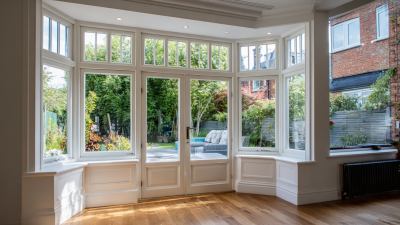
Why Choose Timber Windows for Your Home Benefits and Advantages Explained
When it comes to enhancing the aesthetic appeal and functionality of your home, choosing the right windows is paramount. Among various options available, Timber Windows stand out as a popular choice for homeowners looking for both beauty and durability. The natural warmth and timeless elegance of timber create a welcoming atmosphere while adding character to any property. Additionally, timber offers a versatile range of styles and finishes that can complement both traditional and contemporary designs.
The benefits of Timber Windows extend beyond their visual appeal. They are known for their excellent insulating properties, helping to maintain a comfortable indoor climate year-round. This energy efficiency not only contributes to a more sustainable living environment but can also lead to reduced heating and cooling costs. Furthermore, timber is a renewable resource, making it an eco-friendly option that aligns with modern sustainability goals.
In this article, we will delve deeper into the advantages of Timber Windows, exploring how they can enhance your home's value, improve energy efficiency, and offer a unique blend of style and performance. Discover why Timber Windows may be the ideal choice for your next home improvement project.

Benefits of Timber Windows for Home Aesthetics and Design Appeal
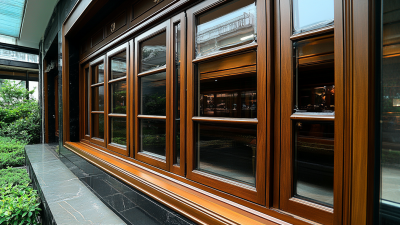
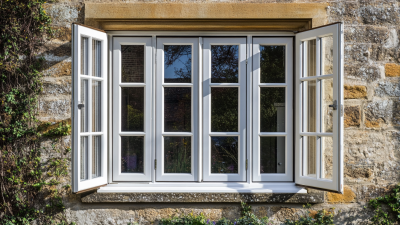
Timber windows are often celebrated for their remarkable aesthetics and design appeal, bringing a unique warmth and character to any home. The natural grain and rich colors of timber lend a timeless elegance that can enhance both traditional and contemporary architectural styles. Unlike synthetic materials that can appear artificial, timber offers a depth of texture and beauty that is hard to replicate, making it an ideal choice for homeowners looking to make a statement.
Furthermore, timber windows can be customized to fit various design requirements, allowing homeowners to choose from a wide range of styles, finishes, and sizes. This versatility means that timber windows can successfully complement any design theme, from rustic cottages to sleek modern homes. Their ability to blend seamlessly with the surrounding environment enhances curb appeal and increases the overall value of the property. By opting for timber windows, homeowners not only invest in aesthetic quality but also create an inviting atmosphere that welcomes both guests and inhabitants alike.
Benefits of Timber Windows for Home Aesthetics and Design Appeal
Durability and Longevity of Timber Windows Compared to Other Materials
Timber windows are renowned for their durability and longevity, making them a superior choice compared to other materials like aluminum or vinyl. One of the key reasons for this is the inherent strength of wood. When properly maintained, timber can withstand the rigors of changing weather conditions, including extreme temperatures and heavy rainfall. This resilience means that homeowners can expect their timber windows to have a significantly longer lifespan, often exceeding 30 years, while maintaining their structural integrity and aesthetic appeal.
Moreover, timber naturally possesses insulating properties that enhance energy efficiency, reducing the strain on heating and cooling systems over time. Unlike metal frames that can conduct heat, timber acts as a thermal barrier, helping to keep homes warm in winter and cool in summer. This efficiency not only contributes to comfort but also promotes sustainability, as less energy consumption directly correlates with a reduced carbon footprint. In conclusion, investing in timber windows not only provides a long-lasting solution but also supports environmentally conscious living with superior thermal performance.
Energy Efficiency Advantages of Timber Windows in Home Insulation
Timber windows are renowned for their exceptional energy efficiency, making them a popular choice for homeowners seeking to enhance insulation. The natural properties of wood provide a unique advantage in regulating indoor temperatures. Unlike materials such as aluminum or vinyl, timber acts as an effective insulator, reducing heat loss during colder months and minimizing heat gain in the summer. This characteristic not only contributes to a more comfortable living environment but also leads to reduced reliance on heating and cooling systems, ultimately lowering energy bills.
Additionally, timber windows boast high airtightness, reducing drafts and preventing the exchange of indoor air with the outside environment. This quality helps maintain a stable temperature inside the home and improves overall energy performance. Moreover, wood is a sustainable material, and when sourced responsibly, it contributes to lower carbon footprints. The aesthetic appeal of timber windows complements energy efficiency; they provide natural beauty while promoting a greener home. By choosing timber, homeowners invest not only in fashion and design but also in long-term sustainability and energy conservation.
Sustainability and Environmental Impact of Choosing Timber Windows
The choice of timber windows significantly contributes to sustainability and minimizes environmental impact, making them an appealing option for environmentally conscious homeowners. Timber, a renewable resource, can be sourced from responsibly managed forests, ensuring that deforestation is minimized. By choosing timber windows, homeowners participate in a cycle that supports sustainable forestry practices, which help maintain biodiversity and ecosystem health. This material also has a lower carbon footprint compared to synthetic alternatives, as it captures and stores carbon dioxide throughout its life cycle.
Moreover, timber windows are known for their durability and longevity, reducing the need for frequent replacements. This not only conserves raw materials but also lessens waste in landfills. When timber windows reach the end of their life, they can be recycled or repurposed, further diminishing their environmental impact. In contrast, vinyl and aluminum windows may contribute to landfill waste, as they often lack the same level of recyclability. By opting for timber windows, homeowners make a sustainable choice that benefits both their living environment and the planet.
Why Choose Timber Windows for Your Home: Benefits and Advantages
| Benefits/Advantages |
Description |
Environmental Impact |
| Sustainability |
Timber windows are made from renewable resources, which helps in reducing carbon footprint. |
Lower energy consumption for production compared to synthetic materials. |
| Energy Efficiency |
Timber windows offer excellent insulation properties, maintaining internal temperature. |
Reduces reliance on heating and cooling systems, therefore lowering energy use. |
| Aesthetic Appeal |
Natural wood provides a warm, inviting aesthetic unmatched by other materials. |
Wood's biodegradable nature contributes positively back to the environment at the end of its life cycle. |
| Longevity |
With proper maintenance, timber windows can last for decades, making them a long-term investment. |
Sustainable forest management practices ensure a continuous supply of timber. |
| Low Maintenance |
Modern timber windows have finishes that require minimal upkeep compared to traditional methods. |
Less frequent replacements reduce waste and environmental strain. |
Maintenance Tips for Keeping Timber Windows in Optimal Condition
Proper maintenance is crucial for ensuring that timber windows remain in optimal condition throughout their lifespan. One of the most effective ways to care for timber windows is to regularly check for signs of wear or damage. This includes inspecting the wood for rot, cracks, or warping, which can occur due to exposure to moisture or extreme weather conditions. Prompt repair of any issues will help preserve the integrity of the windows and prevent further damage.
Another essential aspect of timber window maintenance is keeping them clean and protected from the elements. Regularly washing the exterior with mild soap and water, followed by drying with a soft cloth, can prevent dirt buildup. Additionally, applying a protective sealant or paint every few years can safeguard the wood from moisture and UV damage, ensuring that the windows maintain their aesthetic appeal and functionality. Pay attention to the hinges and locks as well; lubricating these components with a suitable oil is vital to prevent rust and ensure smooth operation.
By following these maintenance tips, homeowners can enjoy the natural beauty and energy efficiency of timber windows for many years to come. Regular inspections and protective treatments not only enhance the lifespan of the windows but also contribute to the overall value and comfort of the home.