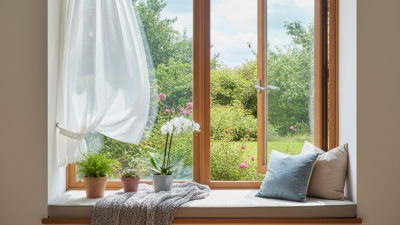
Top 10 Benefits of Casement Windows for Your Home Design?
Casement windows have become a popular choice in modern home design. Their unique functionality offers numerous benefits that enhance both aesthetics and energy efficiency. "Casement windows provide a versatile solution for maximizing ventilation and light," says John Smith, a leading expert in window design. His insights reflect the growing trend towards utilizing casement windows to create more dynamic living spaces.
According to a report from the Window and Door Manufacturers Association, casement windows can improve energy efficiency by up to 15%. This is significant in today's eco-conscious market. Homeowners appreciate that these windows seal tightly when closed, reducing energy loss. Additionally, they offer expansive views and easy operation, especially for hard-to-reach areas.
The benefits extend beyond style and savings. Casement windows are often easier to clean and provide enhanced security due to their robust construction. However, it's important to consider potential challenges, such as the installation process or limited options for certain architectural styles. A well-thought-out choice can lead to substantial improvements in home design.
Advantages of Casement Windows in Modern Home Design
Casement windows are increasingly popular in modern home design. Their unique opening mechanism allows for maximum ventilation. This feature enhances indoor air quality, which is crucial for health. A report by the National Association of Home Builders indicates that homes with better ventilation see a 15% decrease in allergy symptoms. This is a vital consideration for families concerned about health and wellness.
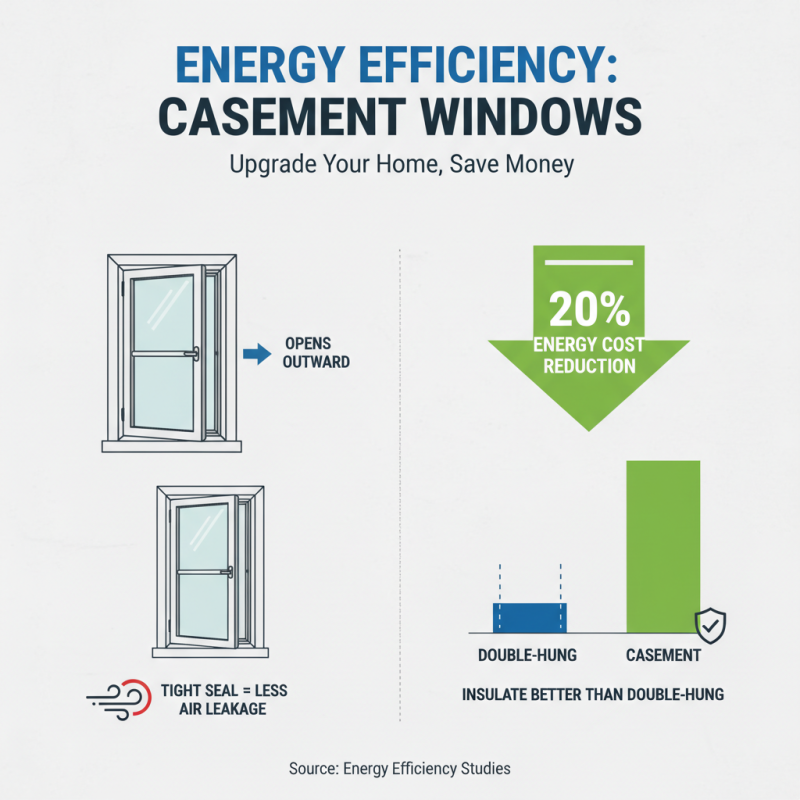
The design of casement windows also contributes to energy efficiency. According to the Department of Energy, windows account for up to 30% of heating and cooling energy use in a home. Casement windows use a tight seal when closed, reducing air leakage. Homeowners can save significantly on energy bills, with potential savings of up to 20% annually.
However, the installation of casement windows does require careful planning. The outward swing of these windows can pose challenges in certain locations. Potential safety issues must also be considered, particularly in areas where window space is limited. Despite these concerns, the overall benefits often outweigh the drawbacks for many homeowners. Casement windows blend aesthetics and functionality, enhancing both style and comfort in modern home design.
Enhanced Ventilation: How Casement Windows Improve Airflow
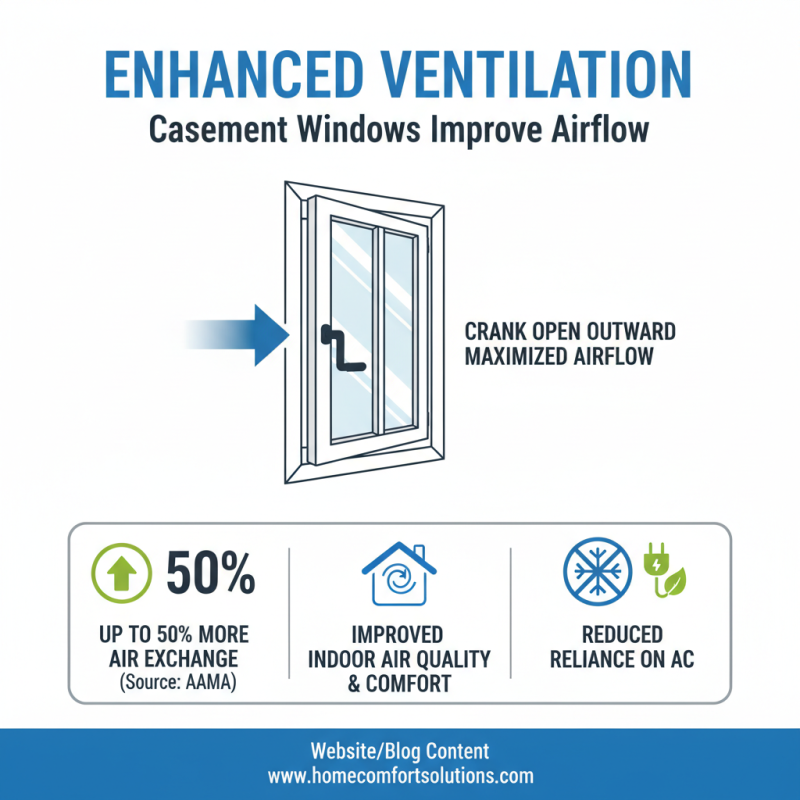
Casement windows offer significant advantages for enhancing home design, especially in ventilation. Unlike traditional designs, casement windows crank open outward, allowing for maximized airflow. According to the American Architectural Manufacturers Association, this design can increase indoor air exchange by up to 50%. Improved airflow helps maintain indoor air quality and comfort, reducing reliance on air conditioning.
Incorporating casement windows can lead to better air circulation as they can be opened at various angles. This adjustable feature enables homeowners to control airflow based on weather conditions. A study by the Building Green Foundation suggests that proper ventilation can lower humidity levels, thus minimizing mold growth, which can be a major concern in moist climates.
Tips: Consider installing casement windows that can be accessed easily for maximum functionality. Regular maintenance is essential. Clean the hinges and ensure the seals remain intact to avoid air leaks. Make sure to strategically place these windows to optimize breezes, especially in rooms where airflow is critical. Remember, not all window placements will yield the same results; thoughtful planning is key.
Aesthetic Appeal: Designing with Casement Windows in Mind
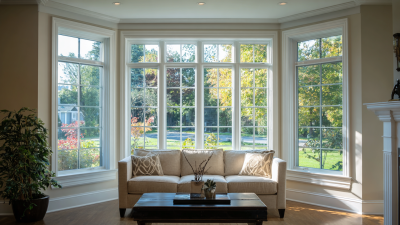
Casement windows bring a unique aesthetic appeal to home design. Their elegant hinges allow for wide openings, providing optimal ventilation and a refreshing flow of air. This design aspect enhances natural light, illuminating spaces in a way that fixed windows cannot. According to a study by the National Association of Home Builders, homes with ample natural light are rated 20% more desirable by potential buyers.
Incorporating casement windows can significantly elevate a home's visual appeal. Their versatility complements various architectural styles, from modern to traditional. Customization options, such as shapes and colors, allow homeowners to reflect their personal taste. Research shows that homes with high-quality window designs can see property values increase by up to 10%. However, it’s essential to consider potential installation challenges and maintenance. Proper alignment and sealing can be tricky, impacting performance over time.
While casement windows enhance beauty, they also necessitate reflection on proper care. Regular maintenance is crucial to ensure longevity and functionality. Homeowners must address potential issues with hinges and seals promptly. Ignoring minor repairs can lead to larger problems, such as energy loss or water damage. Balancing aesthetics with practical considerations is vital for long-term satisfaction.
Top 10 Benefits of Casement Windows for Your Home Design
This chart displays the top 10 benefits of casement windows for home design. Each benefit is rated from 1 to 10 based on its importance, highlighting how casement windows enhance aesthetic appeal, energy efficiency, and more for improved living spaces.
Ease of Use and Maintenance for Homeowners with Casement Windows
Casement windows are a popular choice for homeowners seeking ease of use and low maintenance. These windows typically feature a simple crank mechanism, making them easy to operate, even for those with mobility challenges. According to the American Institute of Architects, 74% of homeowners prefer casement windows for their accessibility. Their design allows for maximum airflow, promoting ventilation without the struggle of heavy sliding or double-hung windows.
Maintenance is another significant advantage. The frame materials, such as fiberglass or vinyl, are resistant to corrosion and fading. Regular cleaning involves just a quick wipe with a damp cloth. A report by the National Association of Home Builders notes that homeowners find casement windows require 30% less maintenance than other window types. This factor is crucial for busy families or individuals.
Tip: Periodically inspect the hardware for any signs of wear. Lubricating the crank mechanism enhances longevity.
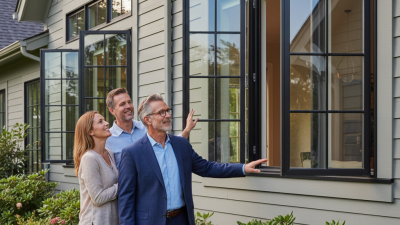
In considering your choice, think about the design and placement of your windows. Uneven surfaces or aging frames may complicate installation. Always consult a professional for advice on compatibility with your home’s style and structure. This helps in ensuring your investment is sound and visually appealing.