Top 10 Benefits of Timber Frame Windows for Your Home Design?
Timber Frame Windows enhance both aesthetics and energy efficiency in home design. According to the U.S. Department of Energy, properly installed windows can reduce energy bills by 10 to 25 percent. Homeowners increasingly seek solutions that marry beauty with functionality. Timber Frame Windows offer this balance exceptionally well.
Additionally, a recent report from the National Association of Home Builders reveals that wooden windows are in high demand. Their classic appeal complements various architectural styles. Moreover, timber windows provide superior insulation, contributing to a decrease in energy consumption. However, it’s essential to evaluate maintenance needs and potential long-term durability.
While many homeowners appreciate the warmth and character Timber Frame Windows bring, some may face challenges like weather vulnerability. Understanding both benefits and drawbacks ensures informed choices tailored to specific design visions. By integrating these windows, personal style reflects through thoughtful, sustainable decisions.
Benefits of Timber Frame Windows: An Overview of Home Design Advantages
Timber frame windows offer a unique blend of aesthetics and functionality that enhances home design. These windows bring warmth and character to a space. They are made from natural materials, which contribute to a cozy and inviting atmosphere. The wood framing complements various architectural styles, from rustic to modern. This versatility allows homeowners to express their unique taste and creativity effectively.
In addition to their visual appeal, timber frame windows are excellent for insulation. Wood has natural insulating properties, which help maintain a comfortable indoor temperature. This can lead to lower energy bills. Many appreciate the reduced environmental impact, as timber is a renewable resource. Moreover, timber frame windows can last a long time with proper maintenance, though some may require regular treatment to keep them looking their best.
While the advantages are substantial, there are considerations to keep in mind. Exposure to moisture can lead to wood rot, and homeowners need to be diligent. Choosing the right finish and ensuring proper installation are crucial. It's essential to weigh these factors when selecting windows. Making an informed decision can greatly influence both the design and durability of your home.
Enhanced Energy Efficiency with Timber Frame Windows
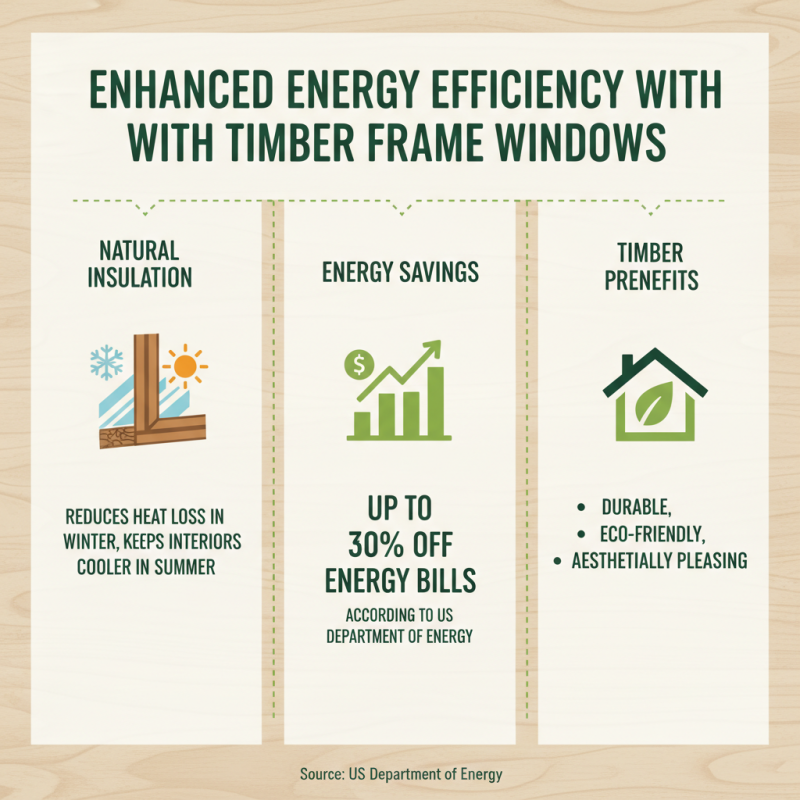
Timber frame windows significantly enhance energy efficiency in homes. Their natural insulation properties help reduce heat loss in winter and keep interiors cooler during summer. According to the U.S. Department of Energy, using high-performance windows can save homeowners up to 30% on energy bills.
The materials used in timber frames are eco-friendly and renewable, contributing to a smaller carbon footprint. Studies show that well-designed timber frame windows can provide up to 25% better insulation than traditional materials. This is mainly due to the wood's ability to resist heat transfer and air infiltration.
However, the energy efficiency of timber frame windows can vary widely based on installation quality. Poor installation may lead to air leaks, undermining potential savings. Regular maintenance is also crucial. Homeowners should inspect seals and frames periodically. By addressing these issues, the benefits of timber frame windows can be fully realized, creating a warmer, more energy-efficient home.
Aesthetic Appeal: How Timber Frame Windows Elevate Home Interiors
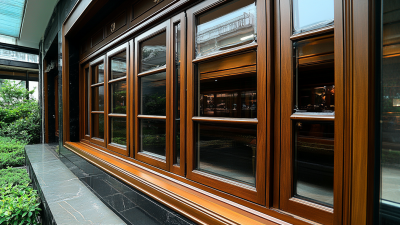
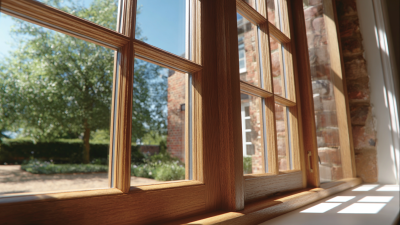
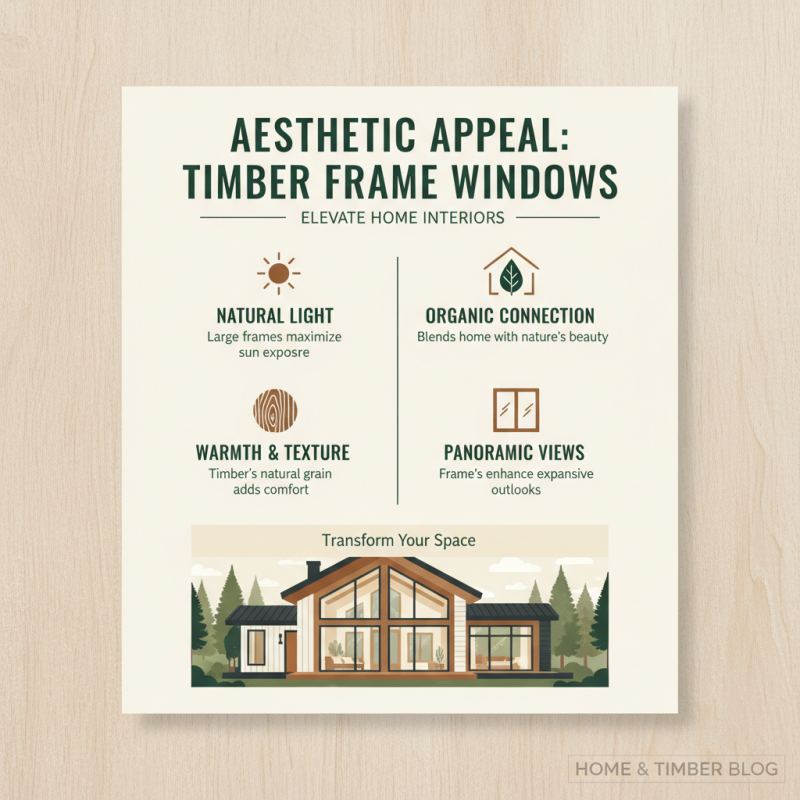
Timber frame windows offer a unique aesthetic charm that can transform any home. The natural grain of timber provides warmth and texture. Large, panoramic views can be enhanced with these frames, allowing more light into your living space. The integration of timber adds an organic element, allowing homes to connect with nature.
Each window can be customized to suit individual tastes, creating a personalized touch. Crafted details, such as intricate joinery and finishes, reflect artisanal skill. This not only showcases quality but also adds character. However, the initial impression might be that these windows require too much maintenance over time. Regular upkeep is necessary to retain their appeal, which can be seen as a drawback.
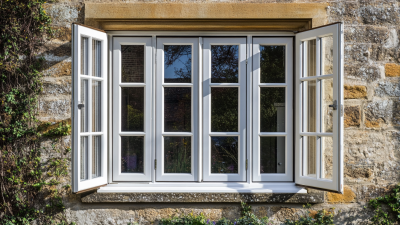
Timber frame windows can sometimes clash with modern design trends. While some may prefer sleek glass, those who appreciate craftsmanship will find joy in timber’s beauty. Their versatility means they can complement various architectural styles. However, one must consider if the aesthetic aligns with the overall home design vision. Reflecting on personal preferences is crucial in making the right choice.
Durability and Longevity of Timber Frame Windows Explained
Timber frame windows are known for their durability and longevity. Research from the National Wood Window and Door Association highlights that timber frames can last over 50 years with proper maintenance. This lifespan is significantly longer compared to many alternatives, such as vinyl or aluminum, which can start showing wear much sooner.
When discussing durability, it’s essential to consider natural resistance to weathering. Timber frames can withstand harsh weather better than other materials. They can endure extreme temperature changes and resist moisture, reducing the risk of warping. In fact, treated wood has been shown to maintain structural integrity longer than synthetic materials. However, neglect can lead to rot or insect damage, emphasizing the need for regular maintenance.
In terms of aesthetics, timber frame windows offer an organic beauty that synthetic materials struggle to replicate. Homeowners report higher satisfaction and a sense of warmth with wooden frames. Yet, it's important to acknowledge that the initial cost can be higher than alternatives. This could deter some buyers who may prioritize budget over longevity. Still, when weighed against durability, the investment often pays off in the long run.
Sustainability Aspects: Timber Frame Windows and Environmental Impact
Timber frame windows offer notable sustainability benefits for home design. Made from natural materials, they contribute to a lower carbon footprint. Timber is renewable and can be sourced sustainably. When properly managed, forests can grow back, providing ongoing resources. This cycle reduces the need for synthetic materials that harm the environment.
Energy efficiency is another advantage. Well-designed timber windows provide excellent insulation. This can drastically lower heating and cooling costs. During colder months, they keep warmth inside. In summer, they block out the heat. The result is a more comfortable living space. However, choosing the right timber type is essential. Some woods have better insulation properties than others.
Despite the benefits, there is a need for caution. Not all timber is created equal. Poor sourcing can lead to deforestation. It’s vital to ensure your wood comes from responsibly managed forests. Also, maintenance is key; untreated wood can be vulnerable to rot and pests. Regular care will extend the life of your windows and uphold their eco-friendly characteristics.
Top 10 Benefits of Timber Frame Windows for Your Home Design
| Benefit |
Description |
Sustainability Aspect |
| Energy Efficiency |
Timber frame windows provide excellent insulation, reducing energy consumption for heating and cooling. |
Lower carbon footprint due to decreased energy use. |
| Aesthetics |
They offer a natural, beautiful look that enhances home design. |
Use of renewable resources for a more attractive overall impact. |
| Durability |
Timber frames are strong and long-lasting, minimizing the need for replacements. |
Reduced waste through extended lifespan. |
| Natural Insulator |
Wood is a natural insulator, helping maintain a stable indoor temperature. |
Decreases reliance on heating and cooling systems. |
| Sound Insulation |
Effective at reducing outdoor noise, contributing to a peaceful indoor environment. |
Supports health and well-being through better acoustics. |
| Customization |
Flexible design options to match any architectural style. |
Encourages unique, personal expression while using sustainable materials. |
| Biodegradable |
At the end of their life cycle, timber frames can decompose naturally. |
Less environmental impact compared to synthetic materials. |
| Air Quality |
Wood can help regulate humidity, promoting healthier indoor air quality. |
Contributes to overall sustainability in home environments. |
| Investment Value |
High-quality timber frames can increase property value. |
Long-term benefits linked to sustainable building practices. |