2026 Best Casement Window Options for Global Buyers?
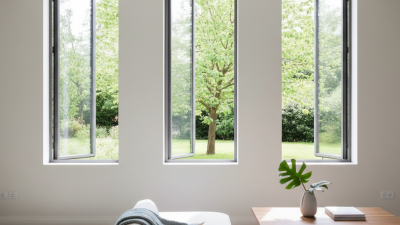
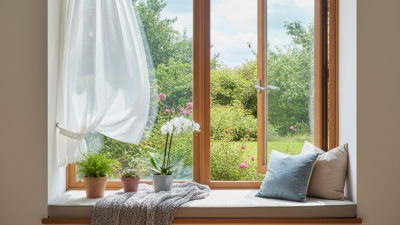
When considering home renovations, choosing the right casement window can significantly enhance both aesthetics and functionality. Casement windows are known for their unique design and energy efficiency. They open outward, allowing for excellent ventilation and unobstructed views.
In 2026, buyers have a wealth of options available globally. Brands now prioritize advanced materials and innovative designs. However, not all casement windows are created equal. Some offer better insulation and durability than others. Shoppers often overlook essential details, such as frame materials or hardware quality, which can influence long-term performance.
As the market evolves, staying informed about the latest trends and technologies is crucial. Each choice carries implications for energy efficiency and maintenance. It's essential to reflect on individual needs and preferences when selecting the perfect casement window. The path to finding the best option can be daunting, but with careful consideration, buyers can make a sound investment that elevates their living spaces.
Overview of Casement Windows: Features and Benefits
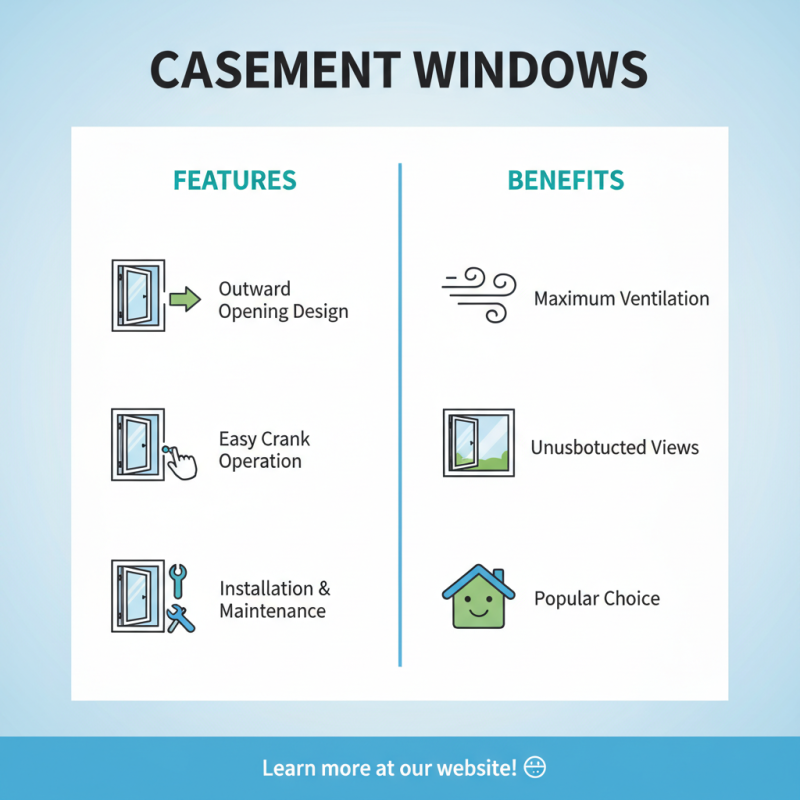
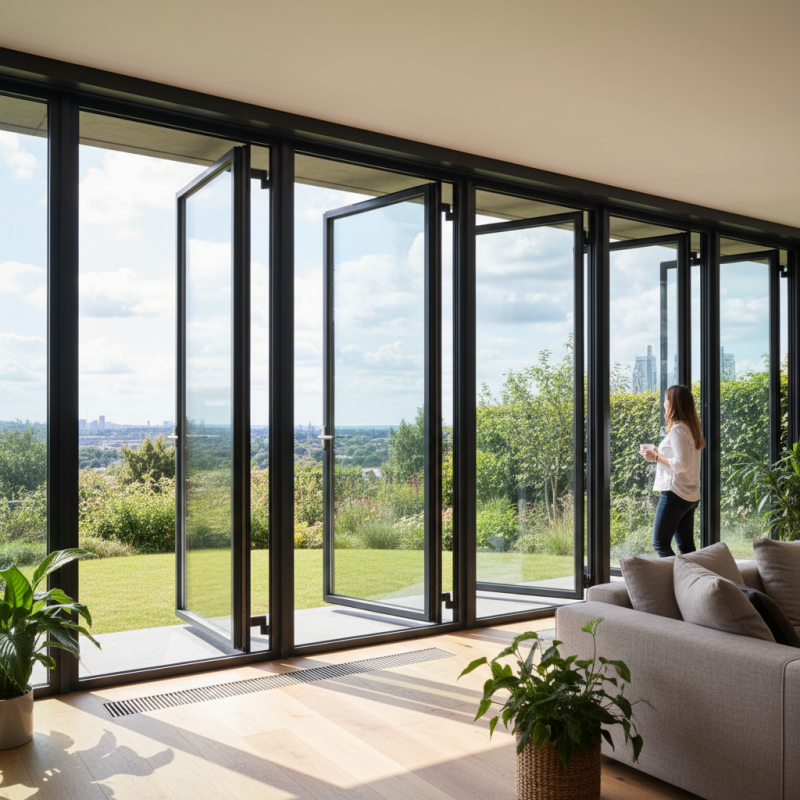
Casement windows are a popular choice for homeowners around the world. They are known for their unique design, which opens outward like a door. This feature allows for maximum ventilation and unobstructed views. Many appreciate the ease of use, as the window can be operated with a simple crank mechanism. However, factors like installation and maintenance are crucial to their longevity.
One significant advantage of casement windows is their energy efficiency. They provide a tight seal when closed, reducing drafts and heat loss. This can lead to lower energy bills over time. Yet, potential buyers should consider their specific climate. In harsh conditions, these windows may struggle, leading to possible leaks or damage. Also, installation can be tricky; improper fitting can cause issues later on.
The aesthetic appeal of casement windows adds to their popularity. They can elevate the look of a home with modern or classic designs. However, it's essential to think about the overall style of your house. They may not always blend well with all architectural styles. Making an informed decision requires evaluating both the benefits and drawbacks of casement windows.
Key Materials Used in Casement Window Manufacturing
When it comes to casement windows, materials play a pivotal role in performance and longevity.
Vinyl, wood, and aluminum are the primary materials used in manufacturing. According to a 2022 industry report, vinyl accounts for about 40% of the casement window market due to its energy efficiency and low maintenance.
Wood is another traditional option. It provides excellent insulation but requires regular upkeep. A study indicated that wood casement windows can last over 30 years when well maintained. However, they are more susceptible to weather damage and can warp if not properly sealed. Homeowners should weigh the aesthetic appeal of wood against its maintenance needs.
Aluminum frames are growing in popularity, offering strength and modern aesthetics. They are less prone to damage and require minimal maintenance. Yet, they may transfer heat more than vinyl or wood, leading to reduced energy efficiency. The choice of material directly influences not just aesthetics but also energy performance and maintenance. Each material has its pros and cons; buyers should consider their specific needs and local climate.
Top Casement Window Brands for Global Buyers in 2026
When choosing casement windows, it is essential to consider various factors. The best options in 2026 feature energy efficiency, durability, and aesthetic appeal. According to a recent report by the Fenestration and Glazing Industry Alliance, energy-efficient windows can reduce energy bills by 10-15%. This makes them an attractive choice for homeowners around the globe.
Many top casement window brands emphasize materials like vinyl and fiberglass. These materials provide excellent insulation and resistance to fading and cracking. Vinyl, for instance, can offer a longer lifespan, which is essential for investment. However, durability can vary, so analyzing warranties becomes crucial. Without proper research, buyers may be left disappointed.
Tips: Always check the energy ratings. Ratings signify the product's efficiency. Additionally, look for customer reviews on various platforms. User experiences can provide insights often missed in professional reviews. Remember, every window installation is unique, and sometimes, what works for one may not suit another. Taking the time to assess your specific needs will lead to better decisions.
2026 Best Casement Window Options for Global Buyers
| Feature |
Option A |
Option B |
Option C |
| Material |
Vinyl |
Wood |
Aluminum |
| Energy Efficiency Rating |
A+ |
A |
B |
| Warranty Period |
Lifetime |
20 years |
15 years |
| Price Range (USD) |
$300 - $400 |
$500 - $700 |
$400 - $600 |
| Customization Options |
High |
Medium |
High |
Energy Efficiency Ratings and Standards for Casement Windows
When considering casement windows, energy efficiency is a crucial aspect. Efficient windows can significantly reduce heating and cooling costs, ultimately benefiting homeowners and the environment. According to the Department of Energy, high-performance casement windows can have a U-factor of around 0.20 or less. This rating indicates excellent insulation, keeping your home comfortable year-round.
It's essential to know about the Energy Star ratings, which classify windows based on their energy efficiency. Windows with the Energy Star label typically meet strict energy efficiency guidelines set by the EPA. For instance, the National Fenestration Rating Council (NFRC) provides transparency in ratings, showing how well a window performs in terms of UV resistance and air leakage.
Tips for choosing energy-efficient casement windows include looking for triple glazing, which offers better insulation. Ensure seals are intact to prevent air leaks. Sometimes, the cheapest option is not the best. Take the time to compare efficiency ratings before making a decision. These small steps can lead to significant savings and a more comfortable living environment.
Installation and Maintenance Tips for Longevity of Casement Windows
When choosing casement windows, installation and maintenance are crucial for longevity and efficiency. Proper installation helps in maximizing energy efficiency. Ensure your window frames are level and securely fastened. Misalignment can lead to gaps. These gaps may let in drafts and moisture, compromising insulation.
Regular maintenance is essential for keeping your casement windows in optimal shape. Inspect the seals and gaskets frequently. If you notice wear or degradation, replace them promptly. This simple step can prevent water damage and increase energy efficiency. Clean the window sashes and tracks regularly. Dust and debris can prevent smooth operation.
For long-lasting performance, lubricate the hinges annually. This keeps the windows functioning without excessive effort. Invest some time in upkeep; it often pays off by extending the lifespan of your windows. Remember that neglect can lead to larger problems, which may require costly repairs. Being proactive is key to maintaining your windows' appearance and functionality over time.