Best Exterior Windows for Energy Efficiency and Style?
Choosing the best exterior windows is essential for homeowners. Energy efficiency plays a crucial role in this decision. According to the U.S. Department of Energy, windows account for about 25-30% of residential heating and cooling energy use. Selecting the right style can also enhance a home's appearance.
Exterior windows come in various materials like wood, vinyl, and fiberglass. Each material offers unique benefits and drawbacks. For instance, while wood provides natural beauty, it often requires more maintenance. Vinyl, on the other hand, can improve energy efficiency but may lack aesthetic appeal for some homeowners.
It's important to balance energy performance with style. Consumers may struggle to find the ideal combination. Research indicates that well-designed windows can reduce energy bills by 10-15%. Yet, many homeowners overlook the impact of window quality and design on their overall comfort and costs. Choosing exterior windows is not just about looks; it's a decision that can significantly affect energy use and home value.
Understanding Energy Efficiency in Windows
Understanding energy efficiency in windows is crucial for modern homes. Windows are a significant part of a building’s thermal envelope. They contribute to heat gain and loss. Choosing the right windows can greatly reduce energy costs.
While looking for energy-efficient windows, look for double or triple glazing. These layers trap air, improving insulation. Low-emissivity coatings reflect heat. This keeps your home warm in winter and cool in summer. Think about frame materials too. Wood, vinyl, and fiberglass have different insulation properties. A well-insulated frame can improve overall performance.
But not all homes are the same. Consider your local climate when selecting windows. In hotter areas, solar heat gain may be a concern. In colder regions, heat retention is more important. Test different styles and materials. Sometimes, the best choice isn't the most obvious one. It's essential to assess your specific needs. Collect feedback from your experiences. Energy-efficient windows should offer more than just functionality; they also need to match your aesthetic.
Key Materials for Energy-Efficient Windows
When considering energy-efficient windows, the material choice is crucial. Common options include vinyl, wood, and fiberglass. Each offers unique benefits. Vinyl windows are affordable and greatly resist moisture. They come in various colors, making them stylish too. Wood, on the other hand, provides a warm look. It can complement traditional homes beautifully. However, wood needs regular maintenance to prevent warping or rot.
Fiberglass windows are gaining popularity. They offer durability and excellent insulation properties. Unlike wood, they require less upkeep. They look sleek and modern, appealing to many homeowners. However, fiberglass might have a higher initial cost, which can be a concern for budgeters.
Choosing the right material might depend on your local climate. If you live in a wet area, the moisture resistance of vinyl would be beneficial. If you prefer a rustic appearance, wood could enhance your home's charm. Both factors need careful consideration. Each option has trade-offs that should not be overlooked. Balancing aesthetics with energy efficiency is key for lasting satisfaction.
Best Exterior Windows for Energy Efficiency and Style? - Key Materials for Energy-Efficient Windows
| Window Material |
Energy Efficiency Rating |
Durability |
Maintenance Level |
Aesthetic Appeal |
| Vinyl |
High |
Moderate |
Low |
Versatile |
| Wood |
Moderate |
High |
High |
Classic |
| Aluminum |
Low |
Very High |
Low |
Modern |
| Fiberglass |
Very High |
High |
Low |
Sleek |
| Composite |
High |
High |
Moderate |
Elegant |
Design Styles that Enhance Curb Appeal
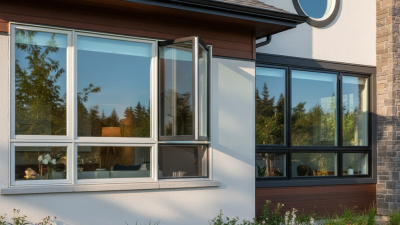
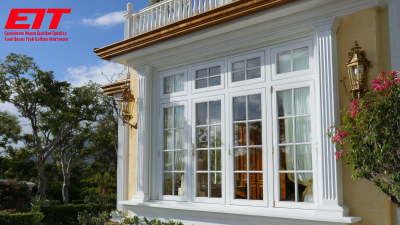
Choosing the right exterior windows can significantly enhance your home's curb appeal. Different design styles bring unique charm and energy efficiency to the forefront. Consider classic double-hung windows for a timeless look, while more modern casement windows can provide sleek lines. Both styles can add character and allow natural light to filter in beautifully.
Color choices play a vital role in aesthetics. Soft pastels can blend with traditional homes, while bold hues can make a statement. Don't forget the trim! A contrasting trim color can highlight the windows and draw attention to their style. However, achieving the perfect balance can be tricky. Overly bold choices might clash with your home's architecture.
Think about the materials too. Wood offers warmth but requires maintenance. Vinyl is durable and low-maintenance, appealing to many homeowners. Each option presents its own challenges. Investing in energy-efficient windows is essential, yet style shouldn’t be compromised. Finding the sweet spot between form and function is often a reflection of personal taste and should not be overlooked.
Comparing Window Types for Performance and Aesthetics
When considering the exterior windows for energy efficiency and style, it's vital to evaluate the key performance characteristics of various window types. For instance, double-glazed windows significantly reduce heat loss. According to the U.S. Department of Energy, they can improve energy efficiency by up to 50% compared to single-pane units. However, not all double-glazed models are equal; their performance highly depends on the specific gas used between the panes and the frame material.
Aesthetics also play a crucial role in window selection. Choices like wood, vinyl, and aluminum can change a home's exterior look. Wood provides classic appeal, yet requires regular maintenance. Vinyl offers durability and is often more affordable, yet it can lack the warmth of wood. Reports indicate a growing trend toward energy-efficient windows that use low-E coatings. These coatings allow natural light in while blocking harmful UV rays, leading to a stay in temperature control.
Ultimately, homeowners often balance functionality with personal style. Sometimes, it’s hard to find that perfect fit. Personal preference can clash with efficiency needs. Decisions may lean towards appearance over energy savings, risking future costs on heating and cooling. The journey to finding the ideal window requires careful consideration of both beauty and performance.
Energy Efficiency and Style Comparison of Window Types
Installation Tips for Maximizing Energy Efficiency
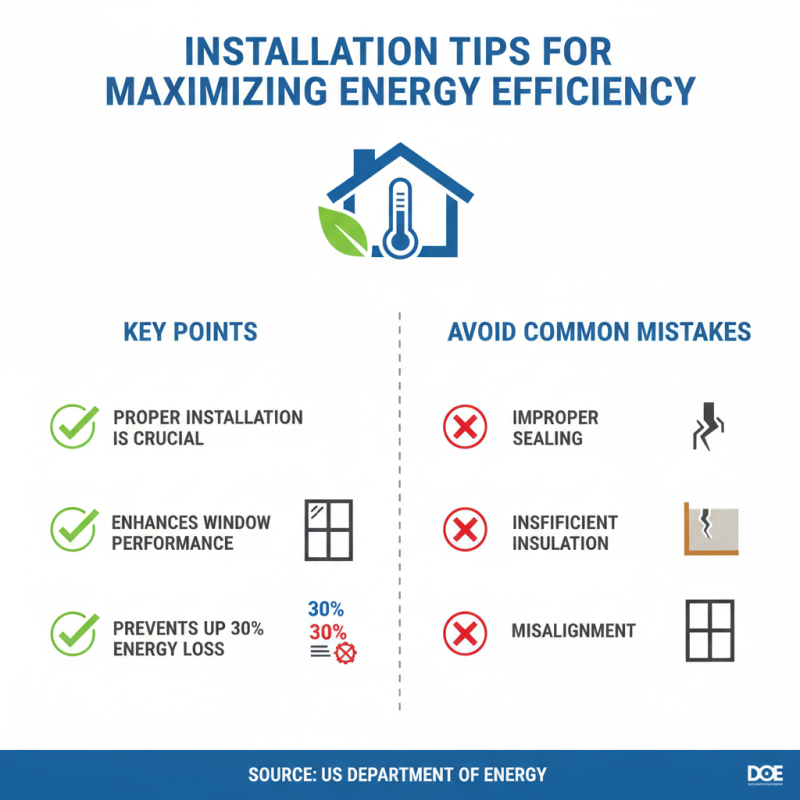
When selecting exterior windows for energy efficiency, installation plays a crucial role. Proper installation can enhance performance significantly. According to the U.S. Department of Energy, up to 30% of a home's heating and cooling energy can be lost through windows. Thus, it’s vital to avoid common mistakes during installation to achieve optimal energy savings.
Tip 1: Ensure a proper fit. Gaps between the window frame and the wall allow air leaks. Seal these gaps with high-quality insulation. Use expanding foam or fiberglass insulation for the best results. This step can reduce energy loss by up to 10%, as noted by energy efficiency studies.
Tip 2: Install windows during the right season. Extreme temperatures can affect the sealant used. For example, cold weather can cause materials to shrink, creating gaps. Ideally, install windows when temperatures are mild. This precaution allows materials to adhere better and form a tighter seal.
Consider also the orientation of your windows. South-facing windows can capture sunlight effectively, but they also risk overheating in summer. This is a balancing act that requires thought. Reflective coatings may help, but they can reduce natural light. Sometimes, energy-efficient solutions are not straightforward. Reflect on the long-term impacts of your choices.