What are the Best Residential Windows for Your Home?
When choosing Residential Windows, homeowners often face a daunting task. Each window type brings unique features and benefits. According to industry expert Mark Johnson, “Selecting the right residential windows can transform the comfort and efficiency of your home.” This statement underscores the significance of making an informed choice.
Residential Windows play a crucial role in energy efficiency and aesthetic appeal. For instance, double-pane options are popular for their insulation properties. Still, they may not suit every climate. Similarly, vinyl windows offer durability but can lack the charm of wooden frames. Homeowners must weigh these factors carefully.
Ultimately, the best residential windows depend on personal preferences and environmental conditions. Some may find the initial cost of premium materials daunting. However, it's vital to consider long-term savings and comfort. Understanding the various choices in the market allows for better decision-making. Each window should reflect both style and function, leading to a home that meets your needs perfectly.
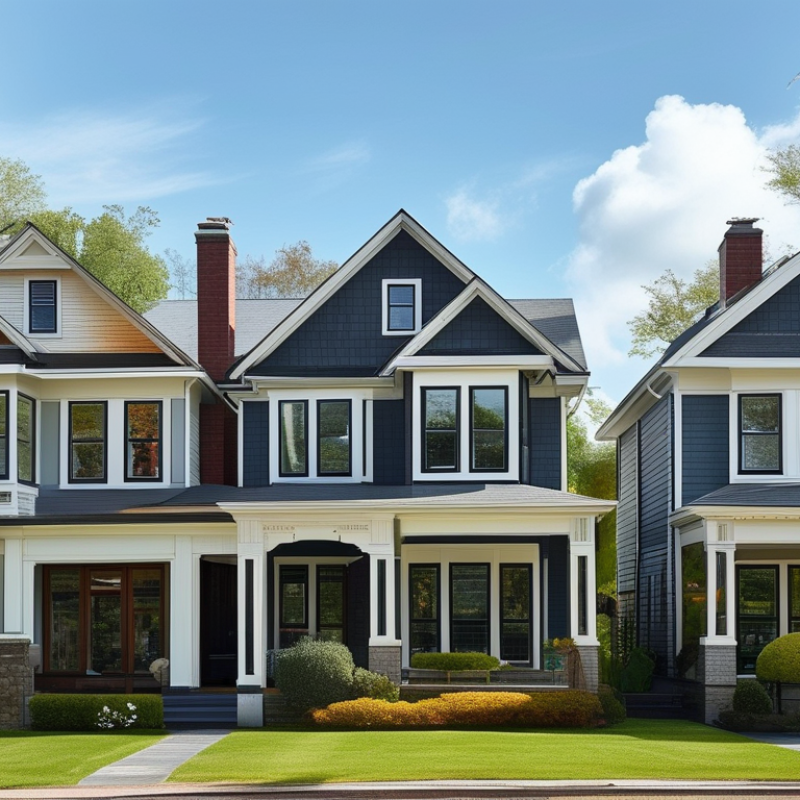
Understanding the Importance of Choosing the Right Residential Windows
Choosing the right residential windows is crucial for your home. Windows do more than let in light; they influence energy efficiency, security, and aesthetics. Poor window choices can lead to drafts and high energy bills. They can also detract from your home’s appeal. Each window type has its pros and cons, so understanding these is essential for making a wise investment.
Tips for selecting windows include considering your local climate. Different materials perform differently under various weather conditions. For example, vinyl windows are low maintenance and resistant to moisture. However, they can warp in extreme heat. On the other hand, wood windows offer excellent insulation but require regular upkeep. Assess your needs carefully.
Moreover, energy efficiency ratings are important. Look for windows with a good U-factor and solar heat gain coefficient. These ratings indicate how well windows insulate and how they manage heat gain. Sometimes, windows may look appealing but perform poorly. It's okay to take your time and explore options. Making a less-than-perfect choice today can affect your home for years.
Types of Residential Windows: A Comprehensive Overview
When choosing residential windows, it's essential to consider various types. Different window styles offer unique benefits and aesthetic appeal. For instance, double-hung windows allow for easy ventilation. Their traditional design fits many home styles, but cleaning can be cumbersome.
Casement windows swing open and provide excellent airflow. Their sealing mechanisms usually provide better energy efficiency. However, they may require more maintenance due to their exposed hinges. Sliding windows, on the other hand, save space and allow for a clear view of the outside. They are easier to operate, but track systems can wear down over time.
Picture windows are ideal for unobstructed views and natural light. They do not open, leading to less ventilation. This can be challenging in warmer climates. Ultimately, selecting the right windows for your home involves understanding your specific needs. Assessing each type’s benefits and drawbacks is vital for a well-informed decision.
Types of Residential Windows - Comparison of Energy Efficiency
Key Factors to Consider When Selecting Windows for Your Home
Choosing the right windows for your home requires careful thought. Various factors impact your decision. One major aspect is energy efficiency. Energy-efficient windows can reduce heating and cooling costs. Look for double or triple glazing options, as they provide better insulation. Consider the frame material too. Vinyl, wood, and fiberglass each have advantages. Your choice may affect both aesthetics and maintenance.
Another important factor is the climate. Homes in colder regions benefit from windows designed to retain heat. In contrast, warmer areas need windows that reduce heat gain. It’s essential to evaluate local weather patterns. Additionally, think about the style of your home. Windows should complement your home's architecture. Different styles, like casement or sliding windows, can change the overall look.
Finally, installation quality matters. Poorly installed windows can lead to leaks and drafts. Always consult professionals with experience. They can guide you through the selection process. Reflect on your family's needs too. Kids, pets, and safety considerations should shape your choices. Proper research can lead to the best results. There’s no one-size-fits-all solution. Each home has unique requirements that deserve attention.
Energy Efficiency Ratings and Their Impact on Window Choices
When selecting residential windows, energy efficiency is vital. Energy efficiency ratings play a significant role in decision-making. Windows are often assessed using U-factor, SHGC, and R-value. These ratings indicate how well a window insulates your home. A lower U-factor means better insulation.
Many homeowners overlook these ratings. They might focus more on aesthetics or price. This can lead to higher energy bills and discomfort. Windows certified for energy efficiency can significantly reduce heating and cooling costs. The initial investment pays off over time. Consider proper installation as well; even the best windows perform poorly if installed incorrectly.
When you shop for windows, ask about their energy performance. Each window type has unique benefits. Double-pane windows typically offer better insulation than single-pane options. Also, low-emissivity (low-e) coatings improve energy efficiency. They reflect heat while allowing light in. However, not every neighborhood may allow certain window types, so verify local regulations. Prioritize both performance and appearance for your ideal home.
What are the Best Residential Windows for Your Home? - Energy Efficiency Ratings and Their Impact on Window Choices
| Window Type |
U-Value |
Solar Heat Gain Coefficient (SHGC) |
Visible Transmittance (VT) |
Energy Star Rated |
| Single Pane |
1.0 - 1.3 |
0.76 - 0.90 |
0.85 - 0.90 |
No |
| Double Pane |
0.30 - 0.60 |
0.30 - 0.50 |
0.70 - 0.80 |
Yes |
| Triple Pane |
0.15 - 0.30 |
0.20 - 0.35 |
0.60 - 0.70 |
Yes |
| Low-E Coated |
0.20 - 0.30 |
0.25 - 0.50 |
0.70 - 0.80 |
Yes |
| Casement |
0.20 - 0.30 |
0.25 - 0.40 |
0.60 - 0.75 |
Yes |
Popular Window Materials: Pros and Cons for Residential Use
When choosing residential windows, materials play a crucial role. Common options include vinyl, wood, aluminum, and fiberglass. Each material presents distinct advantages and drawbacks. According to the U.S. Department of Energy, vinyl windows offer energy efficiency and low maintenance. However, they may face weather-related issues over time, such as warping or discoloration.
Wood windows boast traditional charm and excellent insulation. Yet, they require regular upkeep, like painting and sealing. A survey by the National Association of Realtors indicates that homeowners often cite durability concerns with wood.
Aluminum windows are lightweight and strong, resulting in a sleek appearance. Unfortunately, they tend to conduct heat, reducing energy efficiency.
Fiberglass windows blend strength with energy savings, yet they come with a higher price tag.
Tips: When selecting windows, consider your climate. In colder regions, prioritize insulation. In humid areas, opt for materials that resist moisture. Evaluating each option against your home’s specific needs will enhance your selection process. Remember, the best choice balances aesthetics, durability, and maintenance.