What is the Best Type of Residential Windows for Your Home?
Choosing the right residential windows is crucial for homeowners. They play a vital role in both energy efficiency and aesthetic appeal. According to the U.S. Department of Energy, windows account for 25-30% of residential heating and cooling energy use. This statistic highlights the impact that window choice has on energy bills.
Different types of residential windows offer varying benefits. For instance, vinyl windows are popular due to their cost-effectiveness and low maintenance. On the other hand, wooden frames provide excellent insulation but require more upkeep. These differences can significantly affect your home's comfort and expenses.
However, picking the best option isn't always straightforward. Budget constraints and personal preferences often lead to compromises. Many homeowners overlook long-term savings for immediate cost savings. Making an informed choice requires understanding your priorities and the specific features of each window type. In the end, the best residential windows should align with your home's style, energy goals, and maintenance capabilities.
Types of Residential Windows: An Overview of Options
When choosing windows for your home, you'll find a variety of types. Each type has its own unique features and benefits. Common options include double-hung, casement, sliding, and awning windows.
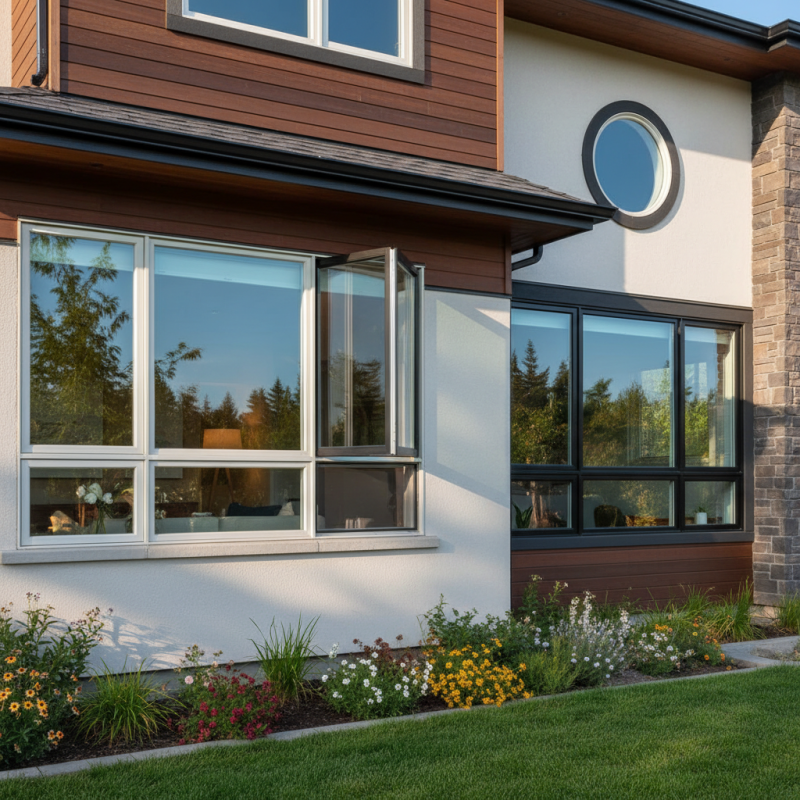
Double-hung windows allow easy access and cleaning. Casement windows open outward, providing great ventilation. Sliding windows save space, while awning windows offer protection from rain.
Consider energy efficiency when selecting windows. Look for designs with good insulation. This can reduce energy bills. Poor-quality windows might lead to drafts and temperature fluctuations. You may face long-term costs if you make the wrong choice. It’s essential to weigh aesthetics against functionality. A beautiful window may not perform well.
Tip: Always measure your window openings before purchasing. This ensures a proper fit. Additionally, consider local weather conditions. More durable windows may be necessary in harsher climates. Remember, your choice should balance both form and function. Reflect on your priorities before making a decision.
Energy Efficiency: Choosing Windows That Save You Money
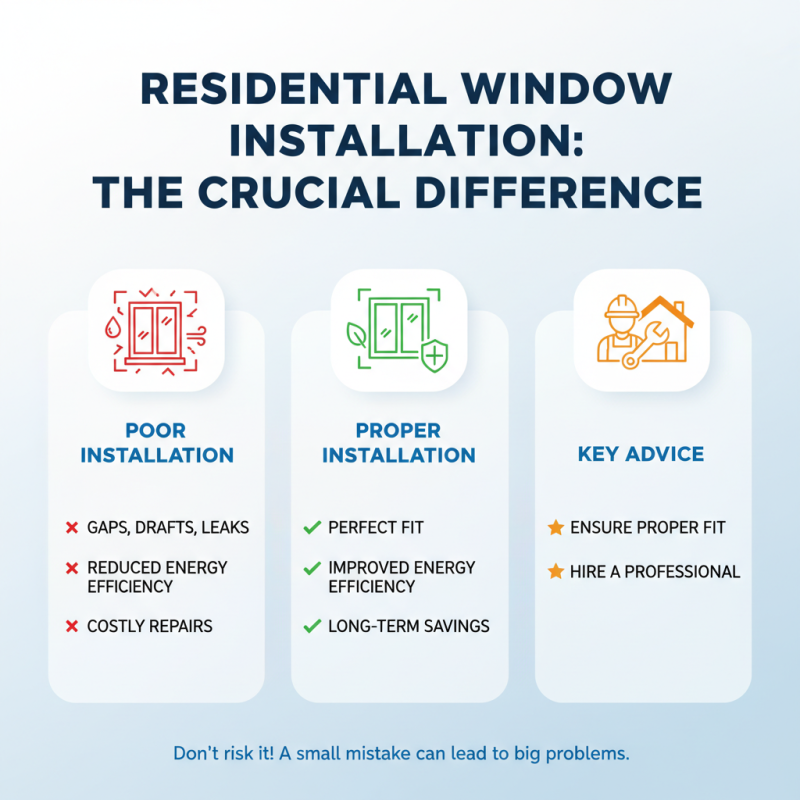
Choosing energy-efficient windows is crucial for any homeowner. The right windows can significantly reduce energy bills. Look for double or triple-pane glass. This type adds insulation. It keeps your home warm in winter and cool in summer. Poorly installed or low-quality windows can lead to drafts and higher costs.
Consider the frame materials too. Vinyl frames tend to be energy-efficient and low maintenance. Wood frames offer good insulation. However, they require more upkeep. Check the thermal performance ratings. They provide insight into how well windows will perform. Proper sealing and installation matter. Even the best windows can fail if not installed correctly.
Awareness of energy standards is essential. Many homeowners overlook this aspect. Understanding these ratings can save you money in the long run. It's worth researching what works best for your location. Sometimes, upgrading windows feels overwhelming. But the investment pays off in energy savings and comfort.
Energy Efficiency: Choosing the Best Type of Residential Windows
Material Matters: Wood, Vinyl, Aluminum, and Composite Frames
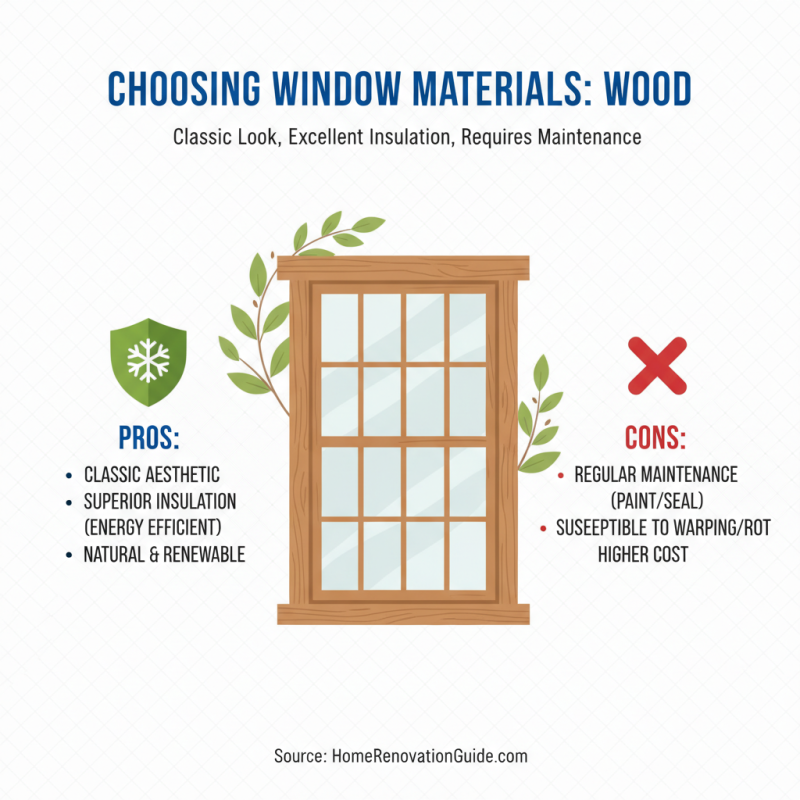
Choosing the right window material is crucial for any home. Each type has distinct features and benefits. Wood frames offer a classic look. They provide excellent insulation but require regular maintenance. You might face issues like warping or rot if not properly cared for.
Vinyl frames are another option. They are low-maintenance and energy-efficient. However, they may lack the aesthetic appeal of wood. Color options are limited, and they can fade over time. Consider how these factors align with your home design.
Aluminum frames are durable and modern. They can withstand harsh weather. Yet, they conduct heat and cold effectively, which might not be ideal for energy efficiency. Lastly, composite frames blend materials, offering strength and moisture resistance. They can be a bit pricier, raising questions about budget versus durability.
Styles and Designs: Finding the Right Aesthetic for Your Home
When choosing residential windows, style and design play pivotal roles. Aesthetic appeal can enhance your home’s exterior and improve its value. According to a recent report by the National Association of Realtors, homes with attractive windows can see a return on investment of up to 70%. This statistic underscores the importance of form alongside function.
Modern styles, such as casement and sliding windows, offer sleek lines and excellent ventilation. Conversely, traditional double-hung windows bring an air of classic beauty. However, selecting the right type can sometimes feel overwhelming. Mixing styles can present challenges. Maintaining harmony in design is crucial. Homeowners should consider the architectural character of their homes as they explore their options.
Color schemes in window frames also merit attention. Dark frames can offer a dramatic contrast, while lighter shades promote brightness. It’s essential to visualize how colors complement your home’s façade. That said, the maintenance of certain finishes can be demanding. For example, wood requires regular upkeep, while vinyl may lack the same charm. Each choice has trade-offs that require careful thought and reflection. Balancing aesthetic desires with practical needs can lead to a rewarding outcome.