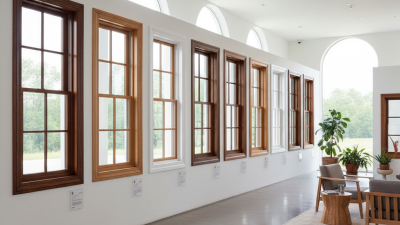
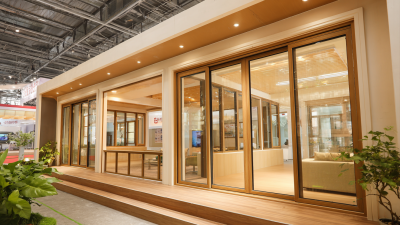
What Are the Best Wood Windows Suppliers in China?
Choosing the best Wood Windows suppliers in China takes more than comparing catalog prices. A window may look beautiful in a showroom, yet perform poorly after years of rain, sun, and seasonal movement. Buyers should examine timber species, moisture control, joinery, glazing options, coating systems, hardware, and documented quality checks. Small details matter. A clean corner joint and an even finish can reveal more than a polished brochure.
Performance deserves close attention. The U.S. Department of Energy’s Energy Saver guidance estimates that heat gain and heat loss through windows account for 25–30% of residential heating and cooling energy use. That figure is not a China-specific market study, but it shows why thermal performance should be part of supplier evaluation. Ask for test reports, product specifications, and evidence that samples match production units. Timber architect Michael Green stated in his TED talk, “We have the ability to build our buildings out of wood.” His point concerns construction broadly, but it also highlights the value of choosing wood products carefully.
This guide compares Chinese suppliers through practical criteria: manufacturing experience, customization, quality documentation, communication, and export support. It does not assume that the largest factory is automatically the best. Nor can a website inspection replace an independent factory audit. Some comparisons remain imperfect; product ranges and testing scopes differ. Still, clear questions can help buyers identify Wood Windows suppliers that fit their project, climate, and specification—not merely the lowest quotation.
Types of Wood Windows Offered by Chinese Suppliers
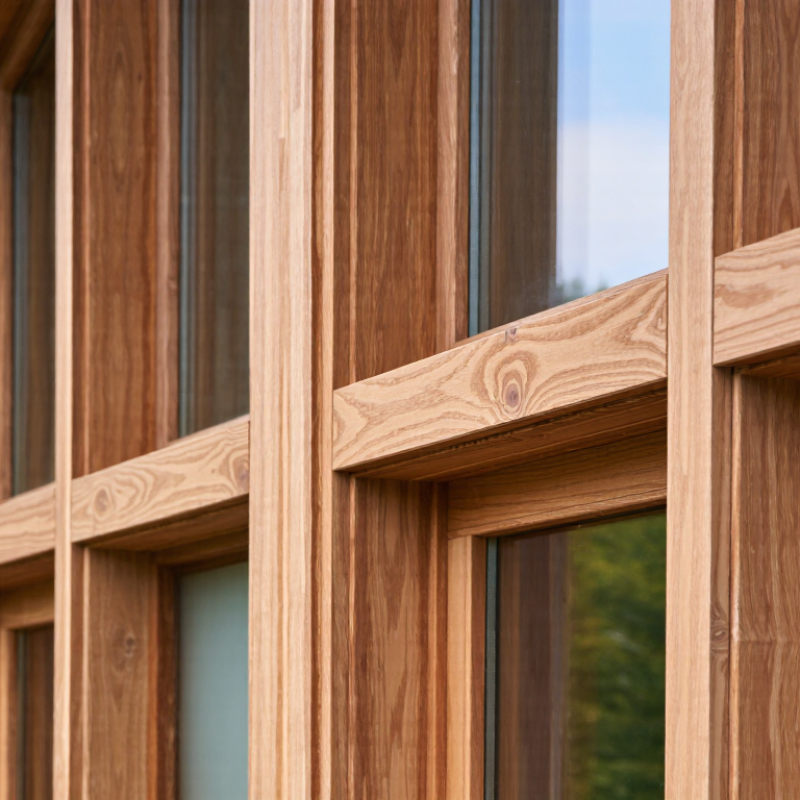
Chinese suppliers commonly offer solid-wood, engineered-wood, and wood-clad window systems. Solid wood brings visible grain and a warm interior finish, but it can respond to humidity changes. Engineered wood uses bonded layers to improve dimensional stability. Ask what species, core construction, and moisture-control process are specified; “wood window” alone tells you little.
Popular opening styles include casement, tilt-and-turn, sliding, and fixed windows. Casements can provide a wide opening for ventilation, while tilt-and-turn designs offer a smaller inward-tilting position for airflow. Sliding units save interior space, though their tracks need regular cleaning. Fixed windows suit picture-window areas where ventilation is not needed. Details matter.
Some suppliers also make arched, bay, or other custom-shaped units. Wood-clad windows pair a timber interior with an exterior protective layer, reducing routine exposure of the wood to weather. Compare frame sections, glazing options, seals, hardware, and finish samples—not just catalogue photos. A sample corner can reveal joint quality and coating consistency. Request written performance data for the exact configuration, and confirm how installation affects the warranty. Even a well-made frame may disappoint if site measurements or sealing are poor.
Key Criteria for Evaluating Wood Window Manufacturers
A wood window supplier should be judged by more than a polished catalog.
Ask which timber species are used, how the wood is dried, and how moisture is controlled before assembly. Uneven moisture can lead to swelling, sticking sashes, or gaps after installation. Request details on finger joints, corner connections, glazing seals, and finish thickness. Small details matter.
Review test reports carefully. Confirm that the tested window matches the proposed design, glass, hardware, and dimensions; results from a different configuration may not apply. Ask how the factory checks incoming timber, dimensions, coating coverage, and water or air leakage during production. If possible, inspect a full-size sample and operate it several times. Feel for smooth movement, then examine corners and drainage paths. A polished sample can still mislead.
Also assess communication and after-sales support. Clear drawings, documented tolerances, realistic lead times, and written warranty terms help prevent avoidable disputes. Ask how damaged units are reported and what evidence is needed for a remedy. Supplier capacity matters, but so does the person answering technical questions. Some criteria will carry more weight for a coastal project than for a dry inland home. That judgment takes care.
How Leading Chinese Suppliers Manage Quality and Production
Reliable wood window production starts long before assembly. Suppliers should control timber moisture, grading, and storage conditions. A moisture meter reading matters, but so does consistent measurement across the batch. Uneven drying can lead to warped frames months after installation. Small details count.
During machining, operators should check profile dimensions, corner joints, and drainage channels against approved drawings. A first-article inspection can catch errors before hundreds of parts move down the line. Production records should link each batch to its timber source, finish, and hardware specification. Ask how rejected parts are handled. A vague answer is a warning sign.
Finishing quality needs checks at several stages, not just a final visual glance. Inspect sample corners for thin coatings, and ask how the factory tests adhesion and weather resistance. Glass fit, seals, and hardware also deserve documented inspection before packing. Photos help, but they cannot replace physical samples. Some factories may present perfect samples while daily output varies; buyers should verify this risk through repeat inspections or third-party checks. No process is flawless. Clear tolerances, corrective-action records, and realistic production schedules make supplier claims easier to assess.
Comparing Suppliers by Customization, Pricing, and Export Experience
When comparing wood-window suppliers in China, assess customization before comparing headline prices. Ask for drawings that specify timber species, frame depth, glazing build-up, hardware, finish, and drainage details. A quotation should separate these items, packaging, and tooling costs. Otherwise, two prices may describe very different products. Request a sample corner joint and finish panel; they reveal workmanship better than polished catalogue photos.
Export experience matters, but verify it with recent packing lists, destination references, and crate photographs. The World Bank’s 2023 Logistics Performance Index placed China 19th among 139 economies, useful context but not proof of one supplier’s reliability. For technical checks, ask for test reports tied to the proposed window configuration, not a vaguely similar model. The IEA’s 2023 buildings report estimates that buildings used 30% of global final energy in 2022. That makes documented air leakage and thermal performance worth checking, especially for cold or hot climates. Small details matter. A comparison can still miss hidden costs: replacement parts, revised drawings, or delays after a sample is approved. I would treat unusually low prices as a prompt for more questions, not automatic savings.
Steps for Verifying and Selecting a Wood Window Supplier
A reliable wood window supplier should be checked beyond its catalog photos. Ask how long the factory has made wood windows and which construction methods it uses. Request drawings that show frame depth, joinery, glazing, and drainage details. Specific answers are more useful than broad promises.
Details matter. Request a sample corner or a complete window sample, then inspect the joints, finish, hardware, and weather seals in person. Ask how timber is dried and protected, and how the supplier checks moisture levels before production. These checks help reveal whether the sample reflects normal factory output. It may not; samples can receive extra attention.
Verify recent export experience by speaking with past buyers, where possible, and reviewing project records with permission. Compare quotations line by line, including packaging, lead time, inspection points, and after-sales support. Ask twice if an answer is vague. Before placing an order, agree on approved drawings, tolerances, and a written process for handling defects. A polished showroom is reassuring, but it cannot replace clear records and consistent communication.