What is Bullet Proof Windows and How Do They Work?
Bullet Proof Windows are designed to provide enhanced security and protection against various threats. These specialized windows use layered glass and polycarbonate materials, making them much stronger than standard glass. The technology behind Bullet Proof Windows is fascinating, as it combines engineering principles to ensure both safety and visibility.
During situations like break-ins or violent encounters, having Bullet Proof Windows can offer peace of mind. They are especially useful in high-risk areas or for individuals seeking extra security. However, it is essential to note that while these windows provide a significant level of protection, they are not entirely invulnerable.
Exploring the effectiveness of Bullet Proof Windows invites reflections on safety in our daily environments. Should we rely solely on physical barriers for protection? Or should we also consider broader strategies, such as community safety initiatives? As technology advances, our understanding of security must evolve alongside it.
Definition of Bulletproof Windows and Their Purpose
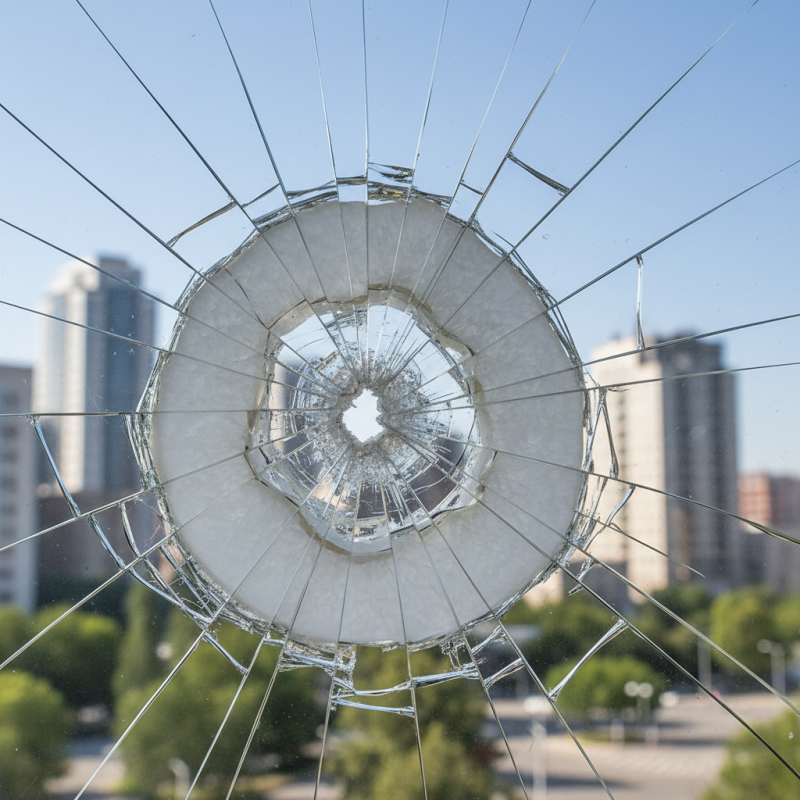
Bulletproof windows are specially designed to withstand bullets and other projectiles. These windows are often made of multiple layers of glass and polycarbonate, layered in a way that absorbs and disperses impact energy. A common structure may include a combination of glass and a strong polymer interlayer, making it highly resistant to penetration.
The primary purpose of bulletproof windows is security. They are commonly used in banks, government buildings, and high-risk residential properties. According to a report by the Security Industry Association, incidents involving gun violence have increased by around 30% over the past decade. This rise has led many people to invest in protective measures. Bulletproof windows offer peace of mind, allowing occupants to feel safer in their environments.
However, the effectiveness of bulletproof windows can vary greatly based on materials used and installation quality. Not all systems are tested against the same standards, and some may perform poorly under stress. A setback often encountered is the high cost. While many see the value in protection, budget constraints can limit access to higher-grade materials. Hence, choosing the right type of bulletproof glass requires careful consideration and reflection on specific needs.
Types of Bulletproof Glass and Materials Used
Bulletproof windows, often referred to as ballistic glass, are designed to withstand projectiles. They are commonly used in high-security environments, including banks, embassies, and police vehicles. The effectiveness of bulletproof glass lies in its composite structure. Typically, it combines layers of glass and polycarbonate materials. This unique layering helps to absorb and disperse the energy of incoming bullets.
There are various types of bulletproof glass, classified according to their ballistic resistance. For example, Class 1 offers protection against small firearms, while Class 5 can withstand multiple shots from higher caliber weapons. The thickness and material composition significantly influence their resistance levels. A report by the Security Industry Association notes that the global market for security glass is expected to reach $6.5 billion by 2025, driven by increasing security concerns.
Understanding the materials involved is crucial. Polycarbonate is lightweight yet durable, making it ideal for protective applications. However, despite advancements, there are limitations. Not all bulletproof windows can withstand every threat. Factors like installation quality and environmental conditions can affect performance. Continuous research is needed to improve the resistance of these materials and ensure safety for users.
How Bulletproof Windows are Manufactured
Bulletproof windows are a remarkable blend of technology and engineering. Their manufacturing process is what sets them apart. It typically begins with layers of glass and polycarbonate materials. Each layer serves a specific purpose, contributing to strength and clarity. Polycarbonate is lightweight yet incredibly strong. The combination works to absorb and disperse impact energy.
After layering, the glass is often treated with a chemical process. This enhances its hardness and durability. The edges are carefully polished to ensure a proper seal. This helps prevent shattering. It's a meticulous process but can sometimes lead to imperfections. Each batch may have slight variations in thickness or clarity. Such inconsistencies can be challenging to manage.
Quality control is essential in this process. Every window must be tested for strength and resilience. This testing is crucial but not always foolproof. Occasionally, flaws go unnoticed. Manufacturers often rely on feedback to improve. This ongoing reflection helps maintain high standards without sacrificing performance.
Mechanisms of Protection: How They Absorb Impact
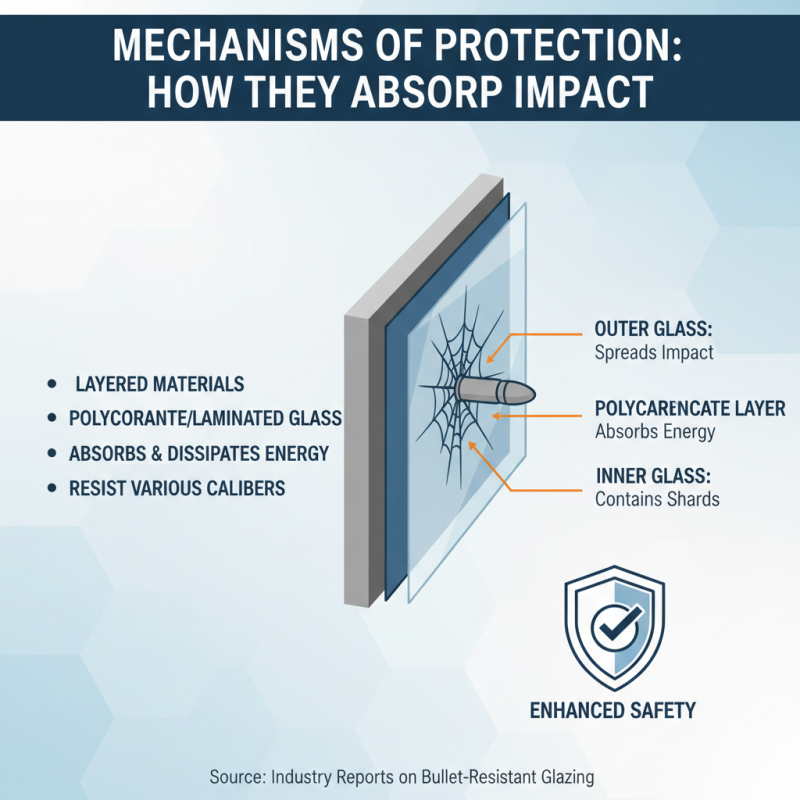
Bulletproof windows are designed to withstand significant impact. Their protective mechanisms involve layered materials that absorb and dissipate energy from potential threats. Typically made from polycarbonate or laminated glass, these windows offer enhanced safety compared to regular glass. According to industry reports, bullet-resistant glazing can withstand bullets fired from various calibers, depending on its design and thickness.
The absorption of impact relies on the window's ability to deform without shattering. Upon contact, energy is spread across the layers, reducing its penetration power. This is crucial in high-risk environments, such as banks or government buildings. Research indicates that layering materials can increase resistance levels. For instance, windows with multiple polycarbonate layers can be 10 times stronger than single-layered glass.
Despite the advancements, bulletproof windows have limitations. They may not guarantee complete safety against all projectiles. They can also be heavy and expensive. Regular maintenance is essential to ensure their effectiveness. Even the best technology requires user awareness for optimal protection. Understanding these factors is vital for those considering installation in vulnerable areas.
Applications of Bulletproof Windows in Various Industries
Bulletproof windows find applications across various industries, offering enhanced safety and protection. In the security sector, these windows serve as a crucial barrier against threats. For instance, a report from the National Institute of Justice states that ballistic-resistant glazing significantly reduces the risks of injury in high-risk environments. Schools and government buildings frequently utilize these materials to safeguard occupants.
In transportation, bulletproof glass is becoming standard. High-profile vehicles like armored cars integrate such windows as essential components. A study from the International Armored Vehicle Association highlights a rise in the global market for armored vehicles, with bulletproof windows being a key selling point. The growing concern over terrorism and violent crimes drives demand for more secure personal transport.
The banking sector also benefits from bulletproof windows. These installations protect cashiers and customers from potential threats. Safety protocols in financial institutions increasingly prioritize such measures. However, despite their effectiveness, there's an ongoing debate about their limitations. Cost and weight can hinder wider adoption in some places, leading to discussion about balancing safety with practicality.