China has become a major production base for architectural security glazing. Its manufacturers serve banks, embassies, transport hubs, government buildings, and high-risk commercial sites.
Grand View Research’s 2024 Bulletproof Glass Market report identifies rising infrastructure protection as a key demand driver. MarketsandMarkets also links market growth with security upgrades and urban development. However, published estimates vary. That inconsistency deserves attention. Market size alone cannot prove product quality.
Bullet Proof Windows should be judged through verified testing, not polished brochures. UL 752 evaluates resistance against specified ballistic threats. ASTM F1233 examines the performance of complete security glazing systems. The glass, interlayer, frame, fasteners, and surrounding wall must work together. A thick laminated pane can still fail at its frame.
Security-glazing consultant Dr. Richard W. Barnes states, “The test report is the product; the brochure is only a promise.” This principle helps readers compare China’s leading manufacturers more responsibly. Ask for current laboratory reports, tested dimensions, glass composition, frame details, and installation limits.
Look closely.
A credible supplier should explain whether its product passed the same configuration offered to customers. It should also provide traceable quality records, production experience, export references, and technical support. Some rankings simplify these differences. They should not.
This guide reviews ten Chinese manufacturers using practical criteria, including certification evidence, customization capability, manufacturing capacity, and project experience. The list is not an official government ranking. Buyers should still request independent verification before making a specification or procurement decision.
When comparing China’s top ten bullet-resistant window manufacturers, begin with a clear definition. A bullet-resistant window is a tested glazing system designed to slow or stop specified projectiles. It is not simply thick glass. The complete system includes glazing, interlayers, sealants, and a supporting frame.
Classification usually follows construction and tested resistance. Laminated glass uses several glass layers bonded with polymer films. Glass-clad polycarbonate combines glass surfaces with a tough transparent core. Polycarbonate and acrylic systems are lighter, but their scratch resistance and long-term clarity may differ. It is layered. Protection levels should reference recognized test standards, such as EN 1063 or UL 752. Ratings are not automatically interchangeable.
Another classification concerns installation. Fixed windows, transaction openings, and framed observation panels may require different designs. Frames matter. A strong pane can fail if the frame bends or leaves gaps. In practical inspections, buyers should request complete test reports, edge details, thickness, weight, and maintenance guidance. Manufacturers with reliable engineering explain how the product performs after aging, temperature changes, and repeated cleaning. Marketing language can be vague. That deserves doubt. A common mistake is choosing the highest stated rating without checking the actual threat, building structure, or installation quality. I would also question any supplier that presents laboratory performance as a guarantee for every site. Real projects are less tidy than test rooms.
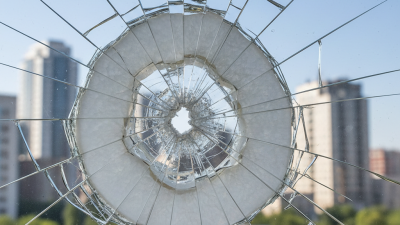
China’s top bulletproof window manufacturers are increasingly judged by test evidence, not appearance. A credible supplier should provide current reports from accredited laboratories, including glass classification, frame performance, shot spacing, witness condition, and installation limits. EN 1063 divides ballistic glazing into seven BR classes and two shotgun classes. This structure helps buyers compare products across different factories. China’s GB 17840 standard also provides a domestic reference for bullet-resistant glass testing.
Materials usually combine multiple glass plies with polycarbonate or a transparent polymer interlayer. Glass supplies hardness and optical stability. Polycarbonate improves impact absorption and reduces dangerous fragmentation. A thick edge seal protects the laminate from moisture. However, thickness alone does not prove safety. A weak frame, uncovered fastener, or poorly supported corner can become the failure point. That detail is easy to miss.
Professional assessments should also reference ASTM F1233 or equivalent laboratory methods when international projects require broader comparison. Reports should identify conditioning, temperature, optical distortion, and post-test delamination. Those details matter after years of sunlight and humidity. A 2024 industry outlook from Grand View Research describes continued demand for ballistic glazing in transport, commercial buildings, and government facilities, but market growth does not replace verification. One practical warning remains: a certified panel may fail when installed outside its tested frame system. The specification should match the complete window assembly, not only the glass sample. Some supplier documents remain incomplete. Buyers should question them.
Choosing among China’s top 10 bulletproof window manufacturers requires more than comparing prices. A practical evaluation begins with the manufacturer’s testing evidence, production controls, and project experience. Ask for reports from independent laboratories, not only internal documents. Confirm the tested glass thickness, frame design, fittings, and complete window assembly. A strong result for glass alone may not represent the installed product.
Inspect how the factory manages materials and traceability. Reliable manufacturers should identify glass batches, frame alloys, sealants, and inspection records. Review installation guidance, maintenance support, replacement procedures, and warranty terms. Visit the facility when possible. Clean production areas, calibrated testing equipment, and trained inspectors reveal more than polished brochures. Local building requirements also matter, because certification systems differ by market. A product can pass one standard and still need additional evaluation elsewhere.
Tips: Compare equal test levels. Check the whole assembly. Request recent documents. Speak with past project contacts. Ask who performs final inspection. Do not ignore delivery capacity or technical communication. One useful detail is often overlooked: confirm whether the quoted price includes frames, hardware, testing, packing, and installation support. No checklist is perfect. Recheck unclear claims, because confidence should come from evidence rather than impressive wording.
China’s top ten bulletproof window manufacturers differ in materials, testing depth, and project experience. This profile compares their practical strengths without relying on brand claims.
One manufacturer focuses on laminated glass for schools, banks, and public buildings. Another specializes in polycarbonate-glass combinations, reducing weight while preserving impact resistance. A third produces steel-framed security windows for guarded entrances and control rooms. Two manufacturers stand out for custom dimensions, including narrow vision panels and oversized fixed units. Their engineers usually review wall thickness, frame anchoring, and installation conditions before quoting.
Details matter.
Another supplier emphasizes automated cutting and edge polishing, which can improve consistency across large orders. One factory offers insulated ballistic-resistant glazing for buildings needing thermal control. A separate manufacturer develops fire-rated combinations, although buyers should verify each tested assembly. Two others provide replacement units and repair guidance for older security installations. The final manufacturer is known for export documentation, inspection records, and packaging designed for long-distance shipping.
Factory visits and independent reports remain valuable. Product labels alone are not enough. Buyers should request test standards, glass composition, frame details, and installation instructions. Some suppliers present excellent samples but provide limited evidence for complete window systems. That gap deserves attention. Performance can also change when installers modify anchors, seals, or surrounding walls. A careful evaluation should include manufacturing quality, traceability, delivery control, after-sales support, and realistic site conditions. Manufacturer rankings may shift by project type, budget, and required protection level.
| Profile | Typical Product Focus | Relevant Test Standard | Protection Classification | Common Glazing Construction | Typical Applications | Verification Considerations |
|---|---|---|---|---|---|---|
| 01 | Entry-level bullet-resistant architectural windows | EN 1063 | BR1 | Laminated glass with a polymer interlayer | Reception areas, schools, offices and low-risk commercial buildings | Confirm complete-window testing, not only glass testing |
| 02 | Enhanced protection windows for commercial facilities | EN 1063 | BR2 | Multi-layer laminated bullet-resistant glazing | Retail premises, financial service counters and public buildings | Check projectile type, shot pattern and witness-panel results |
| 03 | Medium-duty security windows | EN 1063 | BR3 | Thicker glass laminate or glass-polycarbonate laminate | High-value retail, transport facilities and controlled entrances | Review optical quality, edge protection and seal durability |
| 04 | High-security fixed windows | EN 1063 | BR4 | Heavy multi-ply laminated glass or hybrid glazing | Security checkpoints, government facilities and protected rooms | Verify frame anchoring, mullions and installation tolerances |
| 05 | Police and critical-infrastructure glazing | EN 1063 | BR5 | Thick laminated glass with reinforced framing | Police stations, utility sites and sensitive infrastructure | Require independent laboratory documentation and traceability |
| 06 | High-threat architectural glazing | EN 1063 | BR6 | Very thick laminated glass or glass-polycarbonate systems | Embassies, military-related facilities and high-risk compounds | Assess weight, support structure, hardware and replacement logistics |
| 07 | Maximum rifle-threat glazing systems | EN 1063 | BR7 | Specialized multi-layer transparent armor | Special security rooms and highly restricted facilities | Confirm the exact ammunition, impact conditions and no-penetration criteria |
| 08 | North American specification security windows | UL 752 | Levels 1–3 | Laminated glass or glass-clad polycarbonate | Banks, offices, retail counters and institutional buildings | Match the selected UL level with the required weapon and ammunition |
| 09 | Transparent armor for specialized security projects | NIJ 0108.01 | Armor classes I–III | Layered glass, polycarbonate or hybrid transparent armor | Security vehicles, guard booths and tactical facilities | Check whether the certification applies to the installed assembly |
| 10 | Custom-engineered bullet-resistant window packages | Project-specific standard selection | Specified by risk assessment | Insulated, laminated or hybrid assemblies with reinforced frames | Large façades, transaction windows and bespoke security upgrades | Require drawings, calculations, sample testing and installation records |
Note: Protection classes and test standards are shown as industry reference categories. Actual performance depends on the complete window assembly, including glazing, frame, anchoring, hardware and installation.
China Top 10 Bullet Proof Windows Manufacturers?
A reliable top-ten list should examine more than factory size. Product quality depends on certified ballistic glass, laminated polycarbonate, steel frames, and tested glazing systems. Grand View Research estimates the global bulletproof glass market reached about USD 7.6 billion in 2023, with steady growth expected through 2030. That growth increases choice, but also creates uneven claims. Request test reports, thickness data, and complete system ratings from every shortlisted Chinese manufacturer.
Customization usually covers glass thickness, frame depth, opening size, tint, acoustic layers, and thermal performance. Some manufacturers produce fixed windows, transaction windows, observation panels, and doors with matching ballistic resistance. The U.S. Department of Energy reports that windows can contribute 25% to 30% of building heating and cooling energy use. Therefore, low-emissivity coatings and insulated cavities matter, even in security projects. Small details matter.
Typical applications include embassy facilities, banks, jewelry counters, reception areas, transport hubs, and private security rooms. Buyers should match the product to the assessed threat, not choose the thickest option automatically. A heavy window may overload an existing wall. That mistake is common. ASTM F1233 and UL 752 test methods can support comparison, but certificates must match the exact glass, frame, and installation design. A ranking is never absolute. Site conditions, documentation, and after-sales inspection can change the result.
This standards-based chart summarizes EN 1063 ballistic glazing classes and their typical application areas. The class index is ordinal and does not represent a manufacturer ranking, glass thickness, or a direct performance comparison between different standards.
Bulletproof windows can be customized by protection class, laminated glass composition, frame material, glazing depth, size, shape, tint, low-emissivity coating, acoustic performance, thermal insulation, and integration with doors or façades.