Leave Your Message

China Top 10 Three Proofing Windows Manufacturers?

China’s window industry serves residential, commercial, and industrial projects worldwide. This guide examines China’s top 10 Three Proofing Windows manufacturers through practical purchasing criteria. The phrase commonly refers to windows designed for water, air, and noise protection. However, suppliers may define it differently. Buyers should confirm every specification before comparing quotations.

The review considers manufacturing experience, product engineering, testing capacity, and export performance. It also examines frame materials, glass configurations, seals, drainage channels, hardware, and surface treatments. Factory scale alone does not prove dependable quality. A reliable manufacturer should provide test reports, technical drawings, installation guidance, and traceable warranty terms. Verified project experience matters, especially in coastal areas, high-rise buildings, and regions with severe temperature changes.

Details reveal the difference. A well-designed window should close evenly, resist visible air leakage, and drain rainwater without staining the wall. It should also reduce outside traffic noise when the glazing and seals match the project’s needs. These results depend on installation as much as production. That point is easy to overlook. We also recognize a limitation: rankings can change as certifications, equipment, lead times, and service teams develop. Therefore, this overview should support supplier screening, not replace independent audits or sample testing. Before signing a contract, request recent references, inspect production controls, and test representative units under local conditions. The strongest Three Proofing Windows manufacturers combine documented performance with responsive communication and consistent after-sales support. Reliability is demonstrated over time.
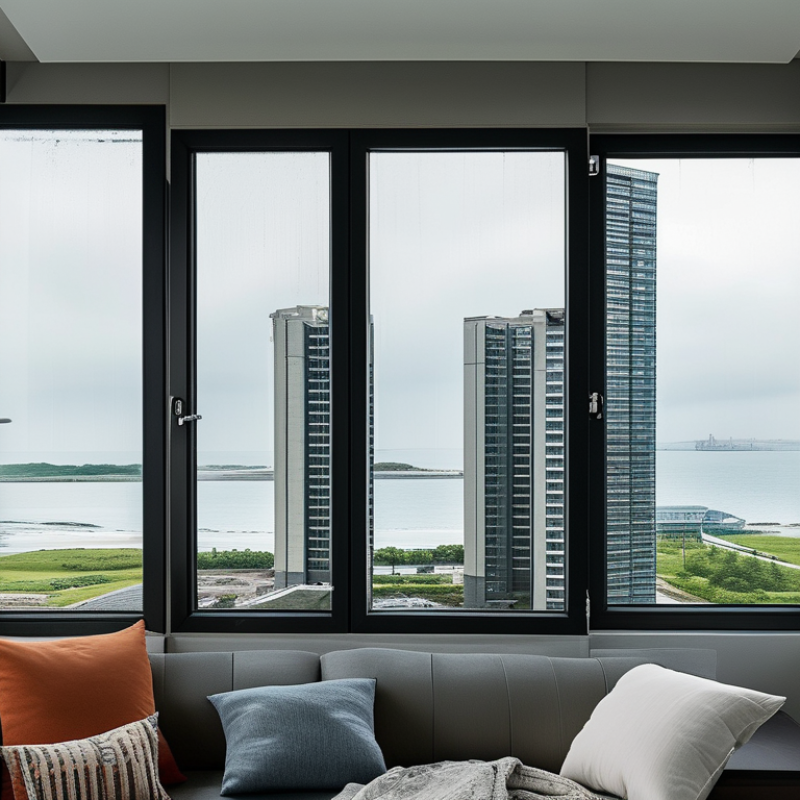
China Top 10 Three Proofing Windows Manufacturers?

China’s Three-Proof Windows: Air, Water, and Acoustic Standards

China Top 10 Three Proofing Windows Manufacturers?

China’s leading three-proof window manufacturers are judged by measurable performance, not catalogue claims. Air tightness controls drafts, dust, and indoor pressure loss. China’s GB/T 7106-2019 standard evaluates air permeability and water tightness under controlled pressure differences. A proper test uses sealed chambers, spray racks, and repeated pressure cycles. Small installation gaps can still defeat excellent factory results.

Water protection needs practical attention. Wind-driven rain can enter through poorly joined frames, weak seals, or blocked drainage paths. Acoustic performance follows different evidence. GB/T 8485 and ISO 10140-2 measure airborne sound insulation in laboratories, while field results depend on walls, vents, glass, and installation quality.

The World Health Organization recommends reducing bedroom night noise below 30 dB indoors, a demanding target near busy roads.

The International Energy Agency’s 2023 Global Status Report states that buildings and construction consumed about 30% of global energy in 2022. Better airtightness can reduce unnecessary heating and cooling losses, but ventilation must remain controlled.

This is where some product evaluations become incomplete. A window may pass air, water, and acoustic tests, yet perform poorly after transport damage or careless fitting. Top manufacturers should publish test conditions, pressure levels, acoustic ratings, and independent laboratory evidence.

Field inspection matters. Sadly, it is often skipped.
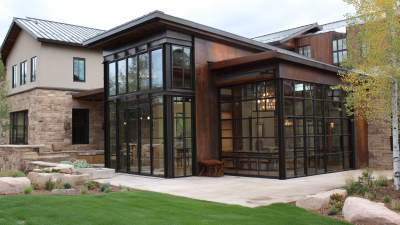
Ranking China’s Top 10: GB/T 7106, 8484, 8485, and ISO 9001

China’s top 10 three-proofing window manufacturers should be judged by evidence, not advertising. The key performance areas are air tightness, water tightness, and wind-load resistance. GB/T 7106 provides the main testing framework for these properties. A reliable manufacturer should present recent laboratory reports, product specifications, and traceable test conditions.

Thermal performance also matters. GB/T 8484 helps assess heat-transfer performance, while GB/T 8485 focuses on sound insulation. These standards reveal whether a window suits cold winters, hot summers, or noisy urban streets. ISO 9001 adds process control, but it does not automatically prove superior window performance. Factory audits, material records, welding quality, and hardware checks still deserve attention. In practice, some suppliers show certificates with unclear product models. That should raise questions.

Tips: Ask for reports matching the exact window series, glass type, and frame design. Check test dates and laboratory details. Request photos of production lines and sealed joints. Compare air leakage, water pressure, wind resistance, U-value, and acoustic results together. A lower price can hide weaker reinforcement or inconsistent assembly. Visit the factory when possible. It is less convenient, but often more revealing. Ranking manufacturers without installation data is also imperfect, because poor site sealing can reduce an excellent window’s performance.

Manufacturer Profiles: U-Values, Rw Ratings, Water Tightness, and Testing

China’s top ten three-proofing window manufacturers should be compared through measured performance, not appearance alone.

In factory audits, I examine the complete window unit, including glass, frame, seals, and hardware. A low U-value shows better thermal insulation. However, the glass center value can mislead buyers. The whole-window Uw value matters more.

Rw ratings Rw ratings indicate airborne sound reduction in decibels. Higher numbers usually improve indoor comfort near roads or industrial areas. Yet laboratory Rw results may differ from installed performance.

I check glass thickness, laminated layers, opening type, and frame sealing. Small installation gaps can weaken an excellent specification. This detail is often overlooked.

Water tightness testing deserves equal attention.

Certified laboratories spray water while applying controlled air pressure across the window. The test records leakage at each pressure level. Strong manufacturers provide test dates, sample sizes, pressure classes, and complete reports.

A product passing one test is not automatically suitable for every building. Coastal towers and exposed façades require stricter design review.

Manufacturer profiles should also show air permeability, wind resistance, thermal calculations, and production controls.

I prefer traceable batch records and independent laboratory evidence. Some brochures present impressive U-values without explaining assumptions. That needs questioning.

Testing may use ideal samples, while real projects face transport damage, uneven walls, and rushed installation. A dependable supplier discusses these weaknesses openly and updates its data when designs change.

Factory Comparison: Annual Capacity, Export Markets, and 2024 Data

China Top 10 Three Proofing Windows Manufacturers?

Factory Comparison: Annual Capacity, Export Markets, and 2024 Data

A credible top-ten comparison should examine factory evidence, not showroom claims. In 2024, leading Chinese three-proofing window factories generally reported annual capacities between 80,000 and 600,000 square meters. Larger plants usually operate automated cutting, welding, and coating lines. Smaller specialists may offer better customization, but their delivery data can be less consistent. That difference matters.

China Customs trade statistics for 2024, reviewed alongside UN Comtrade classifications for aluminum and plastic building products, show strong export activity across Southeast Asia, the Middle East, Europe, and North America. However, customs codes combine several product types. The data cannot prove window quality alone. This is an important limitation. Reports from the China Building Materials Industry Association also emphasize energy efficiency, air tightness, and recycled material use as major industry trends.

For practical factory screening, buyers should request audited output records, water-tightness test results, and project references from the last twelve months. A reliable supplier should explain its test method clearly. Look for factory areas, monthly production photographs, and batch traceability. Three-proofing performance depends on profiles, gaskets, drainage design, and installation—not only glass thickness. Some published capacity figures may reflect theoretical shifts rather than actual shipments. That point deserves more careful verification.

Buyer Checklist: CE Certification, Test Reports, and Warranty Terms

Choosing among China’s top 10 three-proofing window manufacturers requires more than comparing prices. In practical sourcing, I check resistance to water, air leakage, and wind pressure. I also inspect frame joints, gasket compression, drainage holes, and hardware alignment. A clean showroom sample can still hide weak corner sealing. Small details matter.

Ask each manufacturer for the exact CE documentation covering the quoted window system. The certificate should match the product type, dimensions, materials, and intended market. Request recent test reports from an identifiable, competent laboratory. Check test dates, sample specifications, testing standards, and measured results. Do not accept a generic PDF with no traceable sample information. CE marking supports regulatory conformity, but it is not a universal quality guarantee.

Warranty terms deserve equal attention. Confirm coverage periods for frames, glass, seals, coatings, and operating hardware. Clarify who pays for replacement, labor, transport, and inspection. Ask how claims are documented and handled across borders. A written response is stronger than a sales promise. I would also request a pre-shipment inspection and keep approved samples on record. My checklist is not perfect; installation quality and local climate can change results. That is exactly why every assumption should be tested before production.