How to Choose the Best Exterior Windows for Your Home?
Choosing the right exterior windows for your home can be overwhelming. With so many options available, it's important to consider various factors. Exterior windows not only affect your home's aesthetic but also its energy efficiency and security.
Start by assessing the materials. Common choices include wood, vinyl, and aluminum. Each has its own pros and cons. For instance, wood offers warmth but requires maintenance. Vinyl is low-maintenance, yet it might lack the same charm. Think about your local climate too; some materials perform better in certain conditions.
Don't forget the functionality of the windows. Will they open easily for ventilation? Are they secure against break-ins? Pay attention to energy ratings. High-efficiency options may cost more upfront but save you money on energy bills. Ultimately, the best exterior windows should fit your budget while enhancing your home's value and comfort. Balance is key in this decision.
Factors to Consider When Selecting Exterior Windows for Your Home
When selecting exterior windows for your home, several critical factors come into play.
Energy efficiency stands at the forefront. According to the U.S. Department of Energy, windows can account for up to
30% of a home's heating and cooling energy use. Choosing windows with a high energy efficiency rating can significantly reduce energy bills and enhance comfort.
Durability is another essential aspect. Windows must withstand various weather conditions. A report from the American Architectural Manufacturers Association indicates that high-quality windows last between 20 to 40 years. Investing in durable materials can save homeowners from frequent replacements and repairs.
Consider local climate conditions when making a choice. For homes in areas prone to storms, impact-resistant windows may be necessary. Additionally,
aesthetic appeal cannot be overlooked. Custom designs should complement the home's overall architecture. Remember, the right exterior windows should enhance both functionality and visual appeal while adhering to local building codes and standards.
Choosing wisely is crucial, and sometimes, it may take time to find the perfect fit.
Understanding Window Frame Materials and Their Benefits
When selecting exterior windows, the frame material plays a crucial role. Different materials offer various benefits and drawbacks. Vinyl frames are popular for their affordability and low maintenance requirements. They do not require painting and resist moisture well. However, extreme temperatures can warp them over time.
Wood frames provide a classic look and superior insulation. They can be painted or stained to match your home’s aesthetic. On the downside, wood requires regular maintenance to prevent rot and insect damage. This can be a concern for some homeowners.
Aluminum frames are durable and lightweight. They can withstand harsh weather conditions without warping. However, they offer less insulation than wood or vinyl. This can lead to higher energy bills. It's essential to weigh these factors and consider how each material fits your lifestyle and budget. Making an informed choice will enhance your home's comfort and energy efficiency.
Evaluating Energy Efficiency Ratings for Exterior Windows
Energy efficiency is a critical factor when selecting exterior windows for your home. It directly influences your utility bills and overall comfort. The window's energy efficiency rating can often be found on its label. Look for values such as U-factor, solar heat gain coefficient, and energy performance ratings.
The U-factor measures thermal insulation. A lower U-factor means better insulation, which translates to less heat loss in winter. Solar heat gain coefficient indicates how well windows block heat from sunlight. If you live in warmer areas, a lower value is preferable. Take time to research these ratings, as they guide you toward informed choices.
Understanding these factors helps in making the best decisions for your home. However, many people overlook additional considerations. Installation quality plays a vital role too. Poor installation can negate the benefits of energy-efficient windows. Evaluate your contractor's experience to avoid potential pitfalls. It’s essential to ensure that every part of the process—from selection to installation—aligns with your energy efficiency goals.
The Importance of Proper Insulation and Sealing in Window Selection
When selecting exterior windows, proper insulation and sealing play a critical role. Windows are one of the key areas where heat loss occurs. Poorly insulated windows can lead to higher energy bills and uncomfortable indoor climates. Consider choosing windows with multiple panes of glass. These can provide better thermal performance. Additionally, look for high-quality weatherstripping. This helps to keep cold air out during winter.
Sealing techniques also impact window efficiency. Improper sealing can create drafts and moisture issues. To avoid this, always check the manufacturer's guidelines for installation. Even a small gap can reduce insulation effectiveness. Many homeowners overlook the importance of professional installation. This can make a significant difference in how well your windows perform.
It’s important to reflect on your choices over time. Windows may seem fine initially, but changes can occur. Condensation between panes can signal a sealing failure. Reassessing your windows after a few years might save you from costly repairs later. Prioritizing insulation and sealing now will pay off in the long run. Investing time in research and proper installation is crucial.
Impact of Insulation and Sealing on Energy Efficiency
Choosing the Right Style and Design to Enhance Curb Appeal
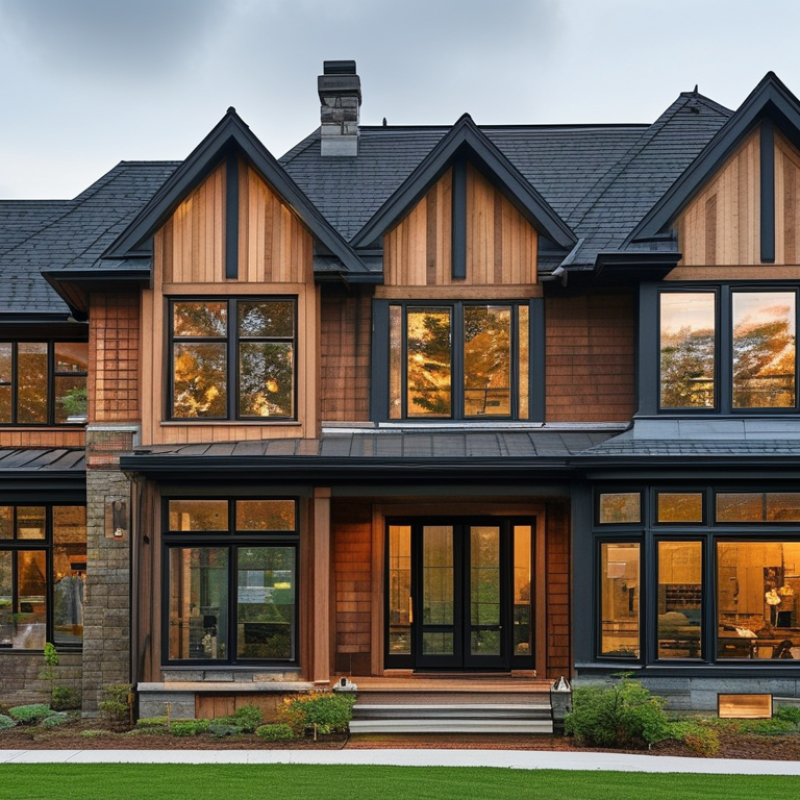
When enhancing your home's curb appeal, choosing the right windows is crucial. The style of windows can define the entire look of your house. For traditional homes, consider double-hung windows with grids. These add a classic charm and maintain historical integrity. For a modern feel, casement windows with sleek frames can provide a clean, minimalist look that attracts attention.
Selecting the right color and materials also plays a significant role. Natural wood offers warmth and beauty but may require more maintenance. Vinyl windows, on the other hand, are low maintenance and come in various colors. Explore options that complement your exterior siding. A contrasting color can make the windows pop, while matching colors create a cohesive appearance.
It's essential to reflect on how windows function as well. Are they energy-efficient? Do they let in ample light? These questions matter. A beautiful window should also perform well. Inadequately chosen windows might lead to higher energy bills or poor insulation. Balancing aesthetics and functionality is vital for a successful choice.