How to Choose Bullet Proof Windows for Your Home Safety?
Choosing Bullet Proof Windows for your home is a crucial decision. Expert Mark Thompson, a specialist in residential security, once stated, "The right windows can save lives." This highlights their importance in home safety.
Bullet Proof Windows provide an essential layer of protection. They are not just a luxury; they can make a significant difference in your security plan. However, selecting the right type can be overwhelming. Consider multiple factors, like material, thickness, and installation. Each choice impacts effectiveness and cost.
Many homeowners underestimate these details. They focus on aesthetics rather than functionality. It's important to balance beauty with safety. You might think a pretty window is enough, but that's a reflection worth reconsidering. The right Bullet Proof Windows should be a priority, ensuring peace of mind for you and your family.
Understanding Bullet Proof Windows: Types and Materials
When considering bulletproof windows, familiarity with types and materials is essential. These windows can vary greatly in thickness and construction. The most common materials include laminated glass and polycarbonate. Laminated glass consists of two glass panels with a plastic interlayer. This design helps absorb impact. Polycarbonate, on the other hand, is a clear thermoplastic. It is lighter and more impact-resistant than glass.
Different levels of ballistic resistance exist. Some windows are rated to withstand small firearms, while others can handle more powerful weapons. It’s vital to understand these ratings when selecting windows. Each home faces unique safety challenges. Not every type of bulletproof window is necessary for every situation. Consider local crime rates and personal safety concerns.
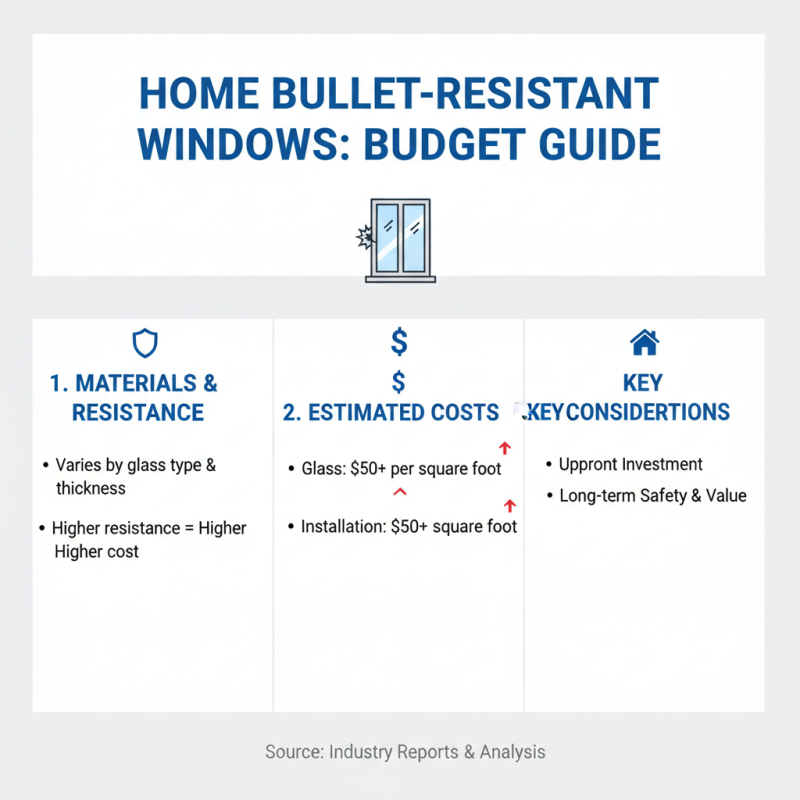
Budget is another crucial aspect. Bulletproof windows can be costly. Installation can add to the overall expense. Homeowners should weigh their needs against financial constraints. It may be tempting to prioritize aesthetics over security. However, the goal should always focus on safety. Reflecting on the balance of cost and protection is key in this decision-making process.
Assessing Your Home's Vulnerability for Window Selection
Assessing your home's vulnerability is key when selecting bulletproof windows. Security experts suggest that around 70% of home break-ins occur through windows. Identifying your most vulnerable areas can aid in choosing the right window type. Consider the neighborhood crime rate. A high rate often requires stronger protection.
Make an assessment of your home's access points. Look for windows that are easy targets, especially those on the ground floor. A report from the FBI indicates that homes with visible, accessible windows are twice as likely to be targeted. You may feel confident in your location, but crime can happen anywhere. It is wise to plan for unexpected threats.
Think about weather conditions too. Extreme weather can impact window performance. Homes in storm-prone areas need options that withstand high winds and debris. A study showed that homes with reinforced windows see a 25% reduction in storm damage. Choosing the right bulletproof windows is as much about unexpected physical threats as it is about security. Balancing these elements can be challenging but necessary.
Assessment of Home's Vulnerability for Bullet Proof Windows
Evaluating Bullet Proof Window Ratings and Standards
When evaluating bulletproof windows, understanding ratings and standards is crucial. The most common rating system for bullet-resistant glass is the Underwriters Laboratories (UL) classification. Windows rated UL 752 and above can withstand specific projectile impacts. For example, Level 1 can resist .38 caliber bullets, while higher levels offer protection against more powerful ammunition.
Safety is essential, but the choice isn't always straightforward. Some studies indicate that most homeowners underestimate the risks. A report from the National Institute of Justice shows that nearly 70% of home invasions involve firearms. This statistic highlights the importance of proper window ratings. Yet, not all rated windows are equal. Homeowners must consider factors like thickness, frame materials, and installation quality. The industry lacks uniform standards that can create confusion.
Selecting the right product requires careful assessment. Some installations may compromise effectiveness due to improper sealing. Additionally, while bulletproof windows offer protection, they can sometimes lead to a false sense of security. Homeowners should think about the overall security strategy, not just window ratings. Balancing cost and quality matters too. Cutting corners could compromise safety.
How to Choose Bullet Proof Windows for Your Home Safety? - Evaluating Bullet Proof Window Ratings and Standards
| Window Type |
Bullet Rating |
Material |
Thickness (inches) |
Price Range ($) |
| Polycarbonate |
Level 1 |
Polycarbonate |
0.25 |
200-300 |
| Laminated Glass |
Level 2 |
Laminated Glass |
0.50 |
300-500 |
| Bullet-resistant Polycarbonate |
Level 3 |
Polycarbonate with Lamination |
0.75 |
500-800 |
| Glass-Clad Polycarbonate |
Level 4 |
Glass and Polycarbonate |
1.00 |
800-1200 |
| Steel & Bullet-resistant Glass |
Level 5 |
Steel Frame & Glass |
1.50 |
1200-2000 |
Cost Considerations: Budgeting for Bullet Proof Windows
When considering bulletproof windows for home safety, budgeting is crucial. Prices vary significantly based on materials and resistance levels. Reports indicate that the cost for bullet-resistant glass starts around $50 per square foot, with installation fees often doubling that. Homeowners should factor in both upfront and long-term costs when budgeting.
It's important to remember that not all homes require the highest level of protection. Many might find Level 1 or 2 resistance sufficient. This can impact overall costs dramatically. For example, opting for Level 2 windows might save you around 30% compared to the highest level. Yet, balancing safety and budget can be challenging. As many experts suggest, prioritize your specific needs over brand names.
Installation costs also merit attention. A professional installation could range from $100 to $200 per hour. Some estimates show that total costs, including installation, can reach $100,000 for an entire home. Given these figures, adjusting your home’s security features may sometimes involve tough decisions. Analyze your risks and reevaluate your budget continuously. The options can be overwhelming, and reflecting on your choices will lead to better investments in safety.
Installation Options: DIY vs. Professional Services
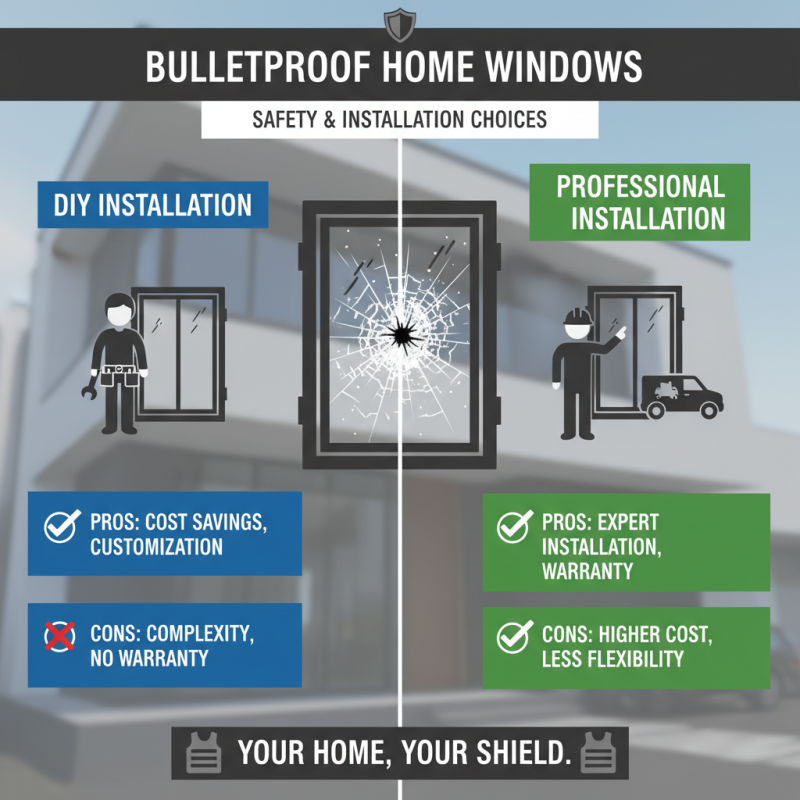
Choosing bulletproof windows for your home is crucial for safety. When considering installation, you have two options: DIY or hiring professionals. Each choice has its pros and cons.
DIY installation can save you money. You can select materials and styles that match your design. However, it requires considerable time and skill. Miscalculations can lead to ineffective protection. Before starting, thoroughly research installation techniques. Consider practicing on less critical windows first.
Hiring professionals ensures proper installation. Experts have experience and access to better materials. They can advise on window options and local building codes. Yet, this choice can be costly. Make sure to get multiple quotes. Check reviews and past work before deciding.
Ultimately, whether you go DIY or professional, weigh your skills and budget carefully. Your safety should always be the priority.