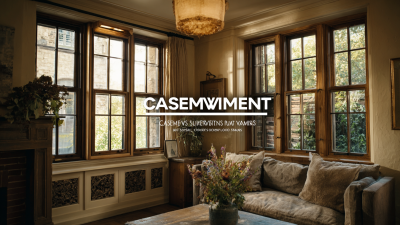
How to Choose Casement Windows for Your Home?
Choosing the right casement windows for your home is crucial. They offer excellent ventilation and unobstructed views. According to the Window and Door Manufacturers Association (WDMA), casement windows can improve energy efficiency by up to 30%. This makes them a popular choice among homeowners.
Expert Michael Anderson, a renowned window specialist, emphasizes, "Casement windows can enhance both comfort and style in any home." However, with so many options available, selecting the right features becomes challenging. You'll encounter different materials, styles, and sizes. Each choice can significantly impact your home’s aesthetics and energy consumption.
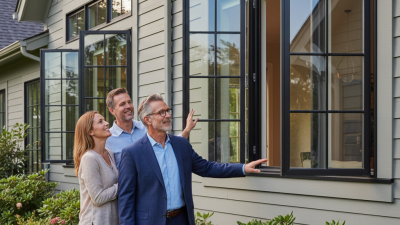
Many homeowners overlook the importance of proper installation. Improperly installed casement windows can lead to air leaks and reduced performance. It's a reminder that quality matters. Investing time in research and consulting experts can help you make informed decisions. Your home's comfort and energy efficiency depend on it.
Understanding Casement Windows: Features and Benefits
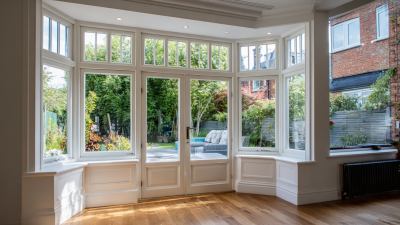
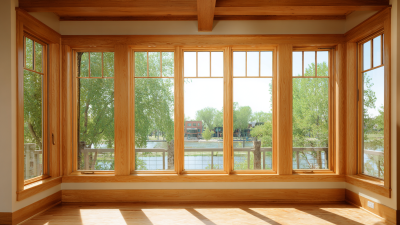
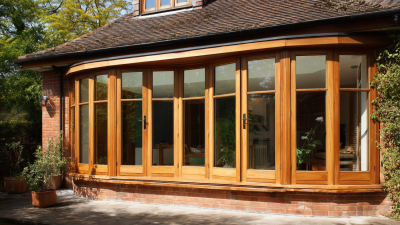
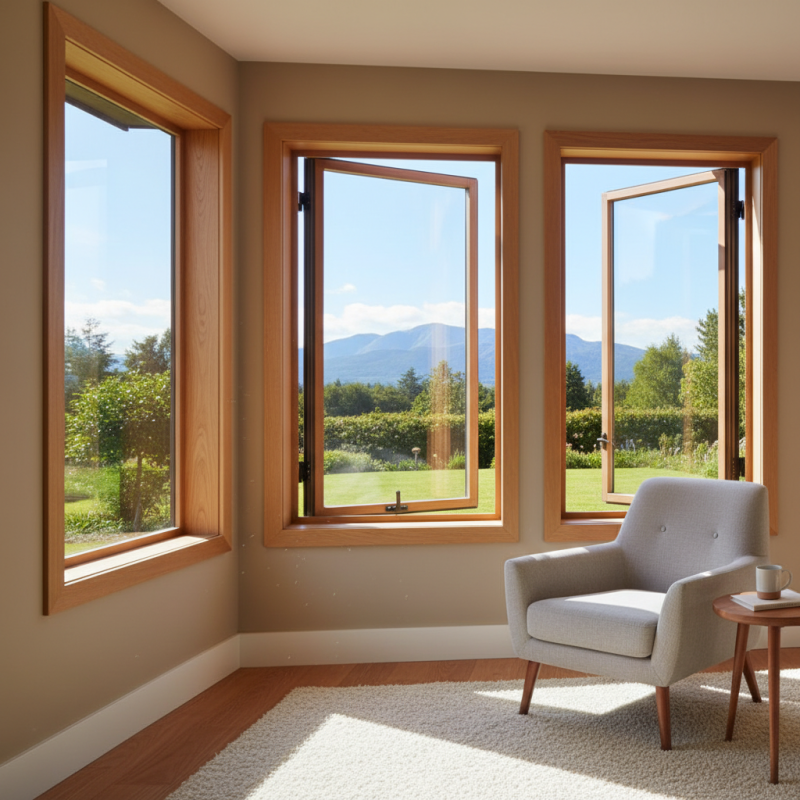
Casement windows are a popular choice for many homeowners. They open outward, allowing for excellent ventilation. The design features a hinge on one side, making them easy to operate. One distinct advantage is their ability to capture breeze from various angles. According to the American Architectural Manufacturers Association, casement windows can improve energy efficiency by up to 20%.
When selecting casement windows, consider various factors. Energy performance is crucial. Look for windows with low U-values, a measure of heat transfer. A lower U-value indicates better insulation, ultimately saving on energy bills. Additionally, check for windows that meet local energy codes. This can ensure long-term comfort and efficiency in your home.
Tips: Pay attention to the sealing mechanisms. Poor seals can lead to drafts. Also, focus on materials. Vinyl and fiberglass offer durability and low maintenance. Aluminum frames may conduct heat, affecting insulation. Finally, always evaluate the window’s warranty. It often reflects the manufacturer’s confidence in their product. Making the right choice can greatly enhance your home's appeal and function.
How to Choose Casement Windows for Your Home?
| Feature |
Description |
Benefits |
| Design |
Casement windows are hinged on one side and open outward, providing a clear view. |
Allows maximum ventilation and unobstructed views. |
| Energy Efficiency |
Typically includes energy-efficient glass options and frames. |
Helps to reduce energy bills and maintain indoor climate. |
| Security |
Usually designed with multi-point locking systems. |
Enhances home security making it difficult to break in. |
| Maintenance |
Easy to clean as they can be cleaned from inside the home. |
Saves time and reduces the need for professional cleaning services. |
| Customization |
Available in various designs, sizes, and colors. |
Can be tailored to match the style of your home. |
Factors to Consider When Choosing Casement Windows
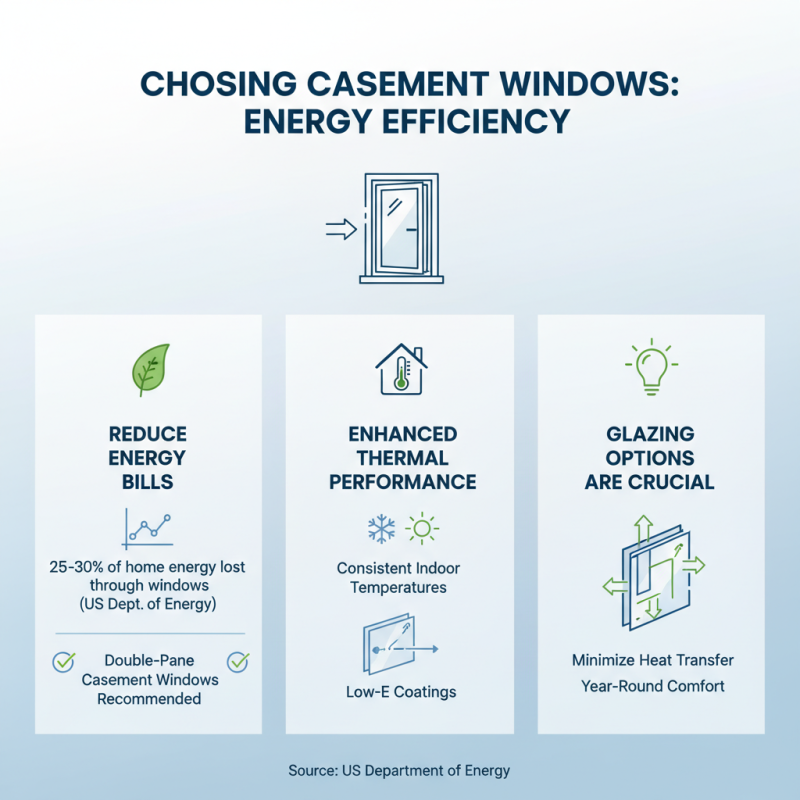
When choosing casement windows for your home, several factors deserve attention. One essential element is energy efficiency. According to the U.S. Department of Energy, windows account for roughly 25-30% of residential heating and cooling costs. Opting for double-pane casement windows can significantly reduce energy bills. The correct glazing options are crucial. Low-E coatings can further enhance thermal performance, ensuring comfortable indoor temperatures year-round.
Another important aspect is material selection. Common materials include wood, vinyl, and fiberglass. Each offers unique benefits and challenges. For instance, wood can provide excellent insulation but requires frequent maintenance. Vinyl is relatively low-maintenance but may lack aesthetic appeal for some homeowners. The durability of materials plays a vital role too; poor choices can lead to frequent repairs.
Aesthetics also matter. Casement windows come in various styles and finishes. Homeowners should consider how these choices complement the overall design of their home. According to industry surveys, over 70% of homeowners prioritize style when selecting windows. Balancing style with functionality can be challenging. Finally, always check local building codes and regulations. Compliance can prevent costly modifications later on. Remember, investing time in research pays off in long-term satisfaction.
Materials and Styles for Casement Windows
Choosing the right materials and styles for casement windows can significantly impact your home’s aesthetics and energy efficiency. Casement windows are often made from vinyl, wood, aluminum, or fiberglass. Each material has distinct qualities. Vinyl is low-maintenance and affordable, while wood offers classic beauty but requires more upkeep. Aluminum is durable and lightweight, suitable for modern designs. Fiberglass provides excellent insulation, making it an energy-efficient choice.
The style of casement windows also plays a critical role in your overall design. They can be single or double, with varying opening mechanisms. According to industry reports, homes with double casement windows show a reduction in energy costs by up to 30%. This data highlights the importance of choosing windows that fit your energy needs.
Tips: Consider how weather patterns in your area affect window performance. For instance, high winds might require sturdier materials. Look for energy ratings on windows. A higher rating usually means better insulation. Lastly, don’t ignore your home’s architectural style. Mixing styles can sometimes lead to a disjointed look. Reflect on these factors to make a more informed decision.
Popularity of Casement Window Materials
This chart illustrates the popularity of various materials used for casement windows. Wood is the most preferred option, followed by vinyl, aluminum, and fiberglass.
Energy Efficiency and Insulation Options
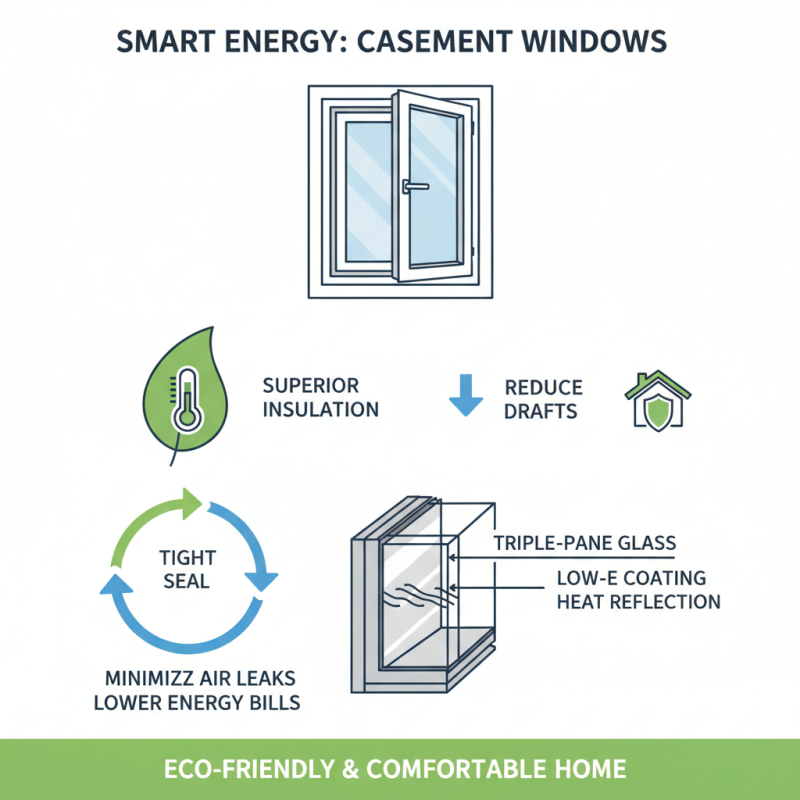
Choosing casement windows can significantly impact your home's energy efficiency and insulation. These windows open outward, creating a tight seal when closed. This design can help minimize air leaks, keeping your home comfortable. Proper insulation options play a vital role in maintaining energy efficiency.
Consider triple-glazed glass for additional insulation. Double glazing might be sufficient for some climates, but triple glazing provides better protection against temperature changes. Look for low-e coatings, which reflect heat back into your home during winter while keeping it cool in summer. This can help reduce energy bills.
Tips: Always check the U-factor of the windows. A lower U-factor means better insulation. Pay attention to the frame materials too. Vinyl frames offer good insulation, while wood frames may need more maintenance. Think about the orientation of the windows as well. South-facing windows can capture sunlight in winter, but may heat up your home in summer. Balance is key.
Maintenance and Care Tips for Casement Windows
Casement windows can enhance the aesthetic of any home, but they require regular maintenance to ensure longevity. Clean the window frames and sashes periodically. Dust and dirt can accumulate and affect their operation. Use a soft brush or cloth. Avoid harsh chemicals. Instead, opt for mild, eco-friendly cleaning solutions when necessary.
Inspect the hinges and locks regularly. These components should function smoothly. Lubricate them with a suitable oil. If any part feels stiff, it’s a sign that it needs attention. Also, check for any signs of wear or damage. Sometimes, a simple adjustment can solve issues before they escalate.
Seals are critical for energy efficiency. Check them for cracks or gaps. Replace any compromised seals to prevent air leaks. Gaps can lead to higher energy bills. Don’t overlook the importance of good weather stripping. It protects against drafts and maintains comfort. With a little care, your casement windows can remain beautiful and functional for years.