How to Choose Fireproof Windows for Maximum Safety?
Selecting the right fireproof windows is crucial for ensuring safety in residential and commercial buildings. According to the National Fire Protection Association (NFPA), nearly 50% of fire-related fatalities occur in structures without proper fire protection measures. Fireproof windows play a vital role in enhancing the fire resistance of a building, yet many people overlook their importance.
Fireproof windows are designed to withstand high temperatures and prevent the spread of flames. Reports from the Underwriters Laboratories (UL) indicate that windows with fire-rated properties can endure temperatures up to 1,200 degrees Fahrenheit for a specified period. This feature can buy critical time for occupants to escape during a fire. However, not all fireproof windows are created equal. Various ratings and materials can impact their effectiveness.
Choosing the right fireproof windows requires careful consideration. It's essential to verify the ratings and certifications of the products. Some manufacturers might make claims that sound appealing but lack third-party verification. Fireproof windows should be seen as a part of a larger fire protection strategy, not just as standalone solutions. Understanding the nuances can lead to better safety outcomes in the event of a fire.
Understanding the Importance of Fireproof Windows for Safety
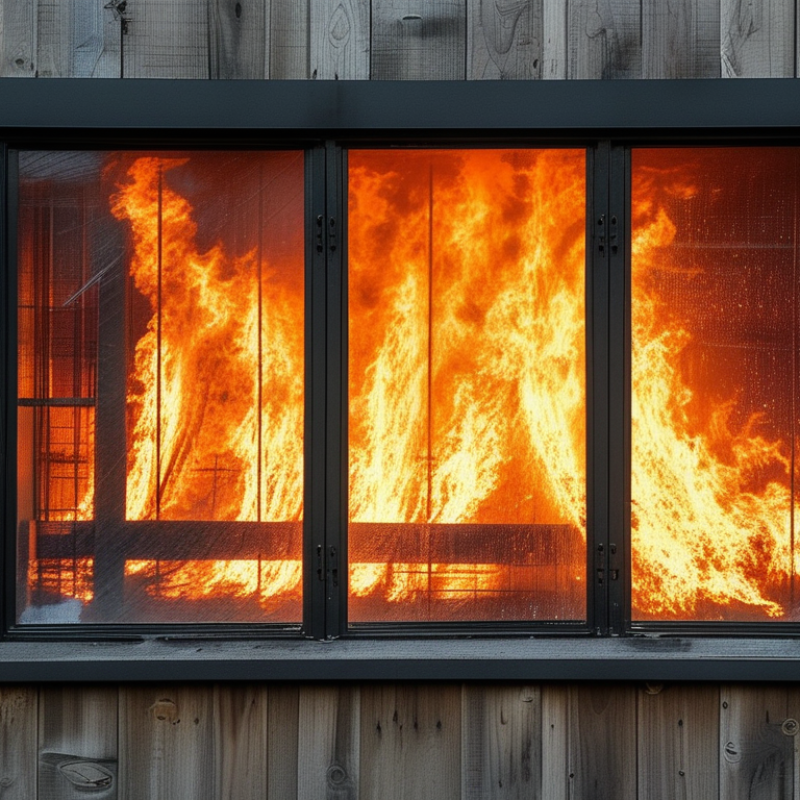
Fireproof windows play a crucial role in enhancing safety during a fire. According to the National Fire Protection Association (NFPA), over 100,000 structure fires occur annually. These fires often result in significant injuries and fatalities. Fireproof windows can significantly reduce the risk of flames spreading, giving occupants more time to escape. They are designed to withstand high temperatures and maintain structural integrity during a fire.
When selecting fireproof windows, consider their fire-resistance rating. Windows with a rating of at least 60 minutes can help contain flames and smoke. This is essential in residential and commercial buildings. Additionally, building local codes may require using specific materials for fire safety. Always check these regulations before making a purchase.
**Tip:** Look for windows with double glazing and special coatings. These features enhance durability and insulation against heat. They provide an extra layer of protection.
Not all fireproof windows are equal. Some may still fail under extreme conditions. It's essential to research manufacturers and their testing standards. Some windows might not perform as advertised. Therefore, consult with a fire safety expert to assess your specific needs.
How to Choose Fireproof Windows for Maximum Safety? - Understanding the Importance of Fireproof Windows for Safety
| Feature |
Description |
Importance |
| Material |
Windows made from tempered glass or ceramic. |
Increased resistance to high temperatures and impact. |
| Fire Rating |
Rated based on the duration they can withstand fire (e.g., 30 min, 60 min). |
Ensures adequate time for evacuation during a fire. |
| Installation |
Properly installed within fire-rated walls. |
Prevents fire spread and maintains structural integrity. |
| Cost |
Generally higher than standard windows due to specialized materials. |
Investing for safety and peace of mind. |
| Maintenance |
Requires regular inspection for damages or wear. |
Ensures windows function effectively during emergencies. |
| Compliance |
Must meet local fire safety codes and regulations. |
Legal requirement for fire safety in buildings. |
Types of Fireproof Window Materials and Their Features
When selecting fireproof windows, it's essential to consider the materials used in their construction. Common types include tempered glass, laminated glass, and fire-rated aluminum frames. Each material has unique properties that impact performance and safety.
Tempered glass is known for its strength. It can endure high temperatures up to 470°F, making it a preferred choice for many installations. However, once broken, it shatters into small pieces, which may pose risks in certain situations. Laminated glass, on the other hand, consists of layers of glass that bond together with a polymer interlayer. This adds thermal insulation and maintains structural integrity even when exposed to fire, significantly reducing the risk of smoke infiltration.
Fire-rated aluminum frames are another option. These frames are usually filled with fire-resistant materials that can withstand heat for up to 90 minutes. A 2020 report from the National Fire Protection Association revealed that structures with proper fire-rated windows had a 40% lower risk of fire spread compared to those without. However, their installation demands precision and thorough understanding, highlighting the importance of consulting professionals in the field to ensure compliance with safety standards.
Key Standards and Certifications for Fireproof Windows
Selecting fireproof windows requires careful consideration of industry standards and certifications. Understanding these criteria is essential for ensuring safety in your property. The National Fire Protection Association (NFPA) emphasizes the need for windows that meet certain fire resistance ratings. These ratings are crucial when assessing how well windows can withstand high temperatures and flames.
One key standard is the ASTM E119. This test evaluates the fire resistance of building materials. Windows with a rating of at least 30 minutes are recommended for residential properties. Moreover, the Underwriters Laboratories (UL) provides certification for fire-rated windows. Windows bearing a UL label guarantee adherence to stringent safety standards. It is vital to check for these certifications before making a purchase.
Architects and builders should also consider local building codes. Some regions have specific requirements regarding fireproofing materials. Engaging with fire safety experts can further clarify the necessary specifications. There’s always a risk of overlooking essential details. Neglecting to confirm these standards could lead to tragic consequences. Therefore, thorough research and professional consultation are indispensable in this decision-making process.
Factors to Consider When Selecting Fireproof Windows
Choosing the right fireproof windows is crucial for safety in both residential and commercial buildings. Start by considering the materials used in the construction of the windows. Common options include tempered glass and multi-layered designs, which enhance resistance to heat and flames. Check the fire rating for each type. This rating indicates how long the window can withstand heat exposure.
Installation is equally important. Even the best window may fail if not properly installed. Gaps or weak seals can reduce effectiveness. Look for windows that are certified by recognized industry standards. These certifications ensure that the windows meet rigorous safety protocols.
Consider the local building codes as well. They often dictate what materials and designs are acceptable for fire safety. Building codes might vary significantly from one area to another. Some homeowners may feel overwhelmed by the choices. It’s essential to consult with experts who can guide you through the selection process. Their experience can help in making informed decisions.
Fireproof Windows Safety Ratings
Installation and Maintenance Tips for Fireproof Windows
When installing fireproof windows, proper techniques matter greatly for safety. Ensure your windows comply with fire-resistance standards. Using certified materials helps to maintain structural integrity. Proper sealing around frames prevents smoke and heat intrusion. This detail is often overlooked. Regular checks after installation can spot potential weaknesses early.
Maintenance plays a crucial role in the longevity of fireproof windows. Inspect the seals and frames routinely for signs of wear or damage. Even small cracks can compromise fire resistance. Cleaning the glass with gentle, non-abrasive methods helps maintain visibility without damaging the material. This step is often neglected, yet it can enhance the window's effectiveness. Strive for regular evaluations to ensure that your investment remains robust over time.