How to Choose the Best Casement Window for Your Home?
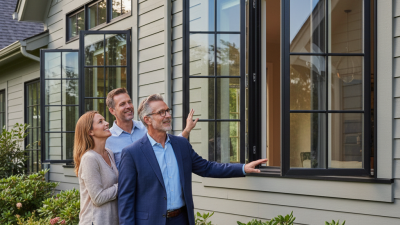
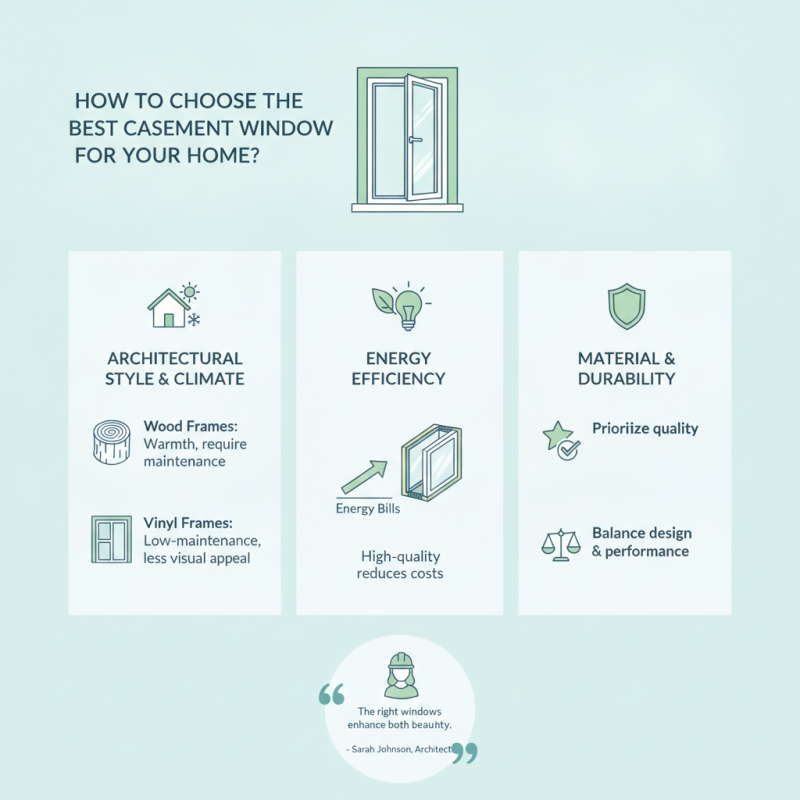
Choosing the right casement window for your home is vital. Expert architect Sarah Johnson emphasizes, "The right windows enhance both beauty and efficiency." Casement windows are a popular choice among homeowners for their unique style and functionality. These windows open outward, providing excellent ventilation and unobstructed views.
When selecting casement windows, consider your home's architecture and climate. The right material impacts both durability and aesthetics. For example, wood frames offer warmth but require maintenance. Vinyl options, on the other hand, are low-maintenance yet may not deliver the same visual appeal. Reflect on what best suits your lifestyle and preferences.
It's essential to think about energy efficiency in today's market. High-quality casement windows can significantly reduce energy bills. However, not all options on the market provide equal performance. As you explore various brands and models, remember to prioritize quality alongside design. Finding a balance can be a challenge but is crucial for long-term satisfaction.
Understanding Casement Windows: Definition and Features
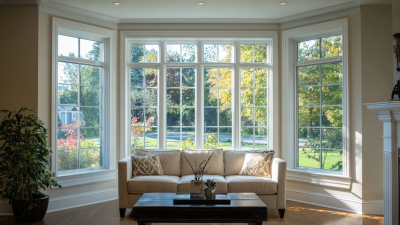
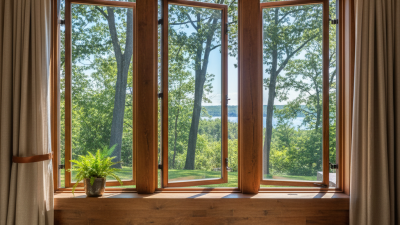
Casement windows are a popular choice for many homeowners. They are hinged on one side and open outward, providing excellent ventilation. This design allows for maximum airflow, making them ideal for breezy days. They also offer unobstructed views, which can enhance the beauty of any room. Understanding their features is crucial when selecting the best type for your space.
One key feature of casement windows is their energy efficiency. When properly fitted, they create a tight seal, reducing drafts and energy loss. This can lead to lower energy bills. However, some homeowners find that the operating mechanism can require maintenance over time. Regular checks and adjustments are advised to ensure smooth functionality. Besides, consider the window materials. Options range from wood to vinyl, each with pros and cons.
Assessing how these windows will complement your home’s aesthetic is equally important. Choose colors and finishes that match your decor. Keep in mind, though, that the wrong choice can clash with your home’s overall design. A thorough understanding of these elements will guide you in making an informed decision. Pay attention to your priorities and needs, and don’t hesitate to rethink your choices.
Factors to Consider When Choosing Casement Windows for Your Home
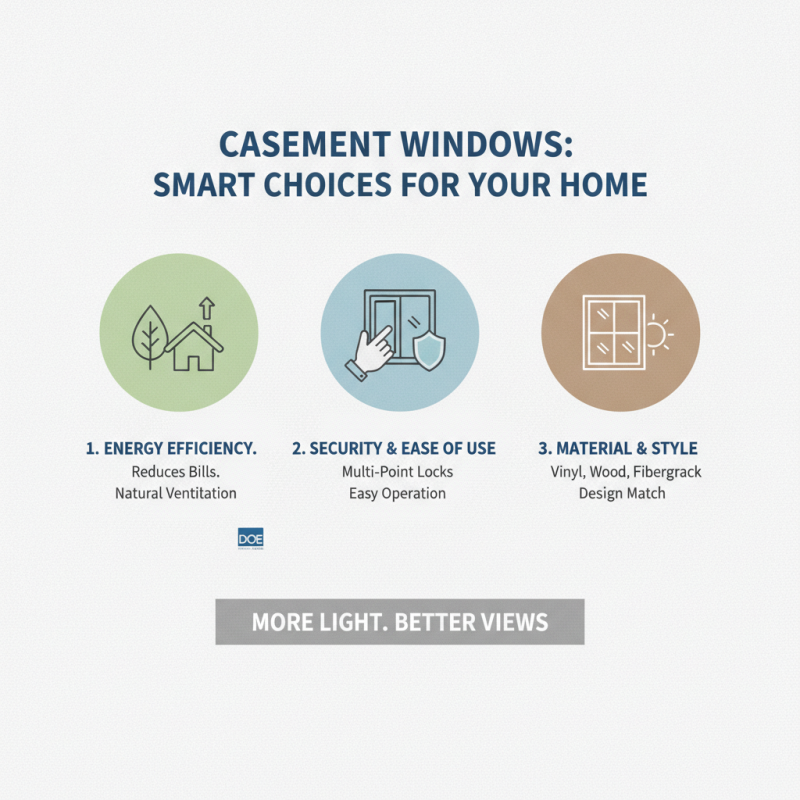
Choosing the right casement window for your home involves several critical factors. First, consider the energy efficiency of the windows. According to the Department of Energy, well-installed casement windows can reduce energy costs significantly. They allow for more natural ventilation, which can decrease reliance on air conditioning.
Next, think about the materials used. Casement windows come in various materials such as vinyl, wood, and aluminum. Each offers different advantages in terms of insulation, maintenance, and aesthetic appeal. A study by the National Association of Home Builders indicates that the lifespan of vinyl windows can exceed 20 years, making them a reliable option.
Another factor to reflect on is the style and functionality of the windows. Your home’s architecture greatly influences the design of the casement windows. A mismatch can impact curb appeal. Additionally, consider the ease of use. Casement windows can be challenging for some if they are hard to open. It’s essential to find a balance between design and practicality. Understanding these aspects can lead to a more informed decision, ensuring satisfaction for years to come.
Materials Used in Casement Windows: Pros and Cons
When choosing casement windows, materials play a crucial role. Wood, vinyl, and aluminum are common options, each with unique characteristics. Wood offers natural beauty and excellent insulation. However, it requires regular maintenance to prevent rot and warping. Some homeowners overlook this need, leading to expensive repairs later.
Vinyl windows are low-maintenance and energy-efficient. They resist moisture and don’t need painting. Still, their colors may fade over time, which can be disappointing. On the other hand, aluminum windows are durable and lightweight. They withstand harsh weather conditions well. However, they may conduct heat, leading to energy loss if not properly insulated.
Each material presents benefits and drawbacks. The decision comes down to your home's style and your personal preferences. Understanding these pros and cons helps you make an informed choice. Reflecting on long-term maintenance can also influence your selection. You want windows that not only look good but also fit your lifestyle.
Energy Efficiency in Casement Windows: What to Look For
When selecting casement windows, energy efficiency is crucial. These windows can enhance your home's comfort. Look for features that minimize heat loss. Double or triple glazing is essential. Low-E coatings can reflect heat back, improving insulation.
Here are some tips:
- Check the frame material. Vinyl and fiberglass offer great insulation.
- Ensure a tight seal. Poor seals lead to drafts and energy loss.
- Consider the window's orientation. South-facing windows can capture more sun but may need proper shading.
Draftiness is a common issue with windows. It is vital to assess this during winter. Even the best windows can suffer from poor installation. Ensuring proper fitting can mitigate this risk. Investing time in research pays off. Your choice impacts utility bills and overall comfort.
Installation and Maintenance Tips for Casement Windows
Installing casement windows can drastically improve ventilation and aesthetics. Proper installation is key for efficiency and longevity. Ensure that the frame is square and level before you secure it. Use shims to maintain alignment. Seal gaps with high-quality caulk to prevent air leaks. This step can be a little messy. It might take time to perfect, but it's essential for insulation.
Regular maintenance is crucial for casement windows. Clean the hinges and mechanisms often to prevent rust and ensure smooth operation. Lubricate moving parts at least once a year. This can sometimes be overlooked, but neglecting it can lead to operational issues. Visually inspect the seals and weather stripping periodically. Look for any signs of wear. If you notice damage, consider replacing those parts promptly. It will save you headaches later on.