How to Choose Timber Windows for Your Home Renovation?
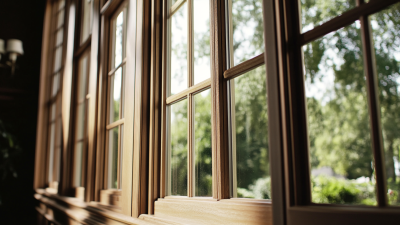
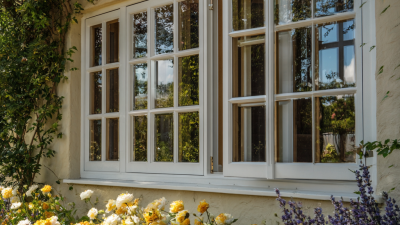
Choosing timber windows for your home renovation is an important decision. These elements play a significant role in both aesthetics and functionality. Timber windows add character and appeal to any property. They provide excellent insulation and can improve energy efficiency.
When selecting timber windows, consider the style and design that complements your home's architecture. Different wood types offer various durability and maintenance levels. Aesthetic choices and energy efficiency should harmonize. It’s essential to reflect on allowing for expansion and contraction of the wood during different seasons.
Installation is another critical aspect. Hiring a skilled professional can ensure proper fitting. Poor installation can lead to issues down the line, such as drafts and decay. Take the time to research and think about the best options available. Your choice will impact both comfort and resale value. Enjoy the process of finding the perfect timber windows for your home.

Factors to Consider When Selecting Timber Windows for Renovation Projects
When selecting timber windows for renovation, several factors must be carefully considered. According to a report by the Timber Research and Development Association, approximately 80% of homeowners prioritize energy efficiency in their renovation projects. Timber windows offer excellent insulation, helping to reduce heating and cooling costs. This eco-friendly option can lead to lower energy bills, making it a smart investment.
Aesthetic appeal is another critical factor. Timber windows can enhance the charm of any home. Many homeowners seek the natural beauty of wood grain. However, not all timber types are created equal. Some woods, like oak, provide durability but may require regular maintenance. In contrast, softwoods can be more prone to damage.
Another report highlights the importance of proper sealing and treatment. About 60% of homeowners overlook this, leading to potential water damage. Choosing high-quality finishes can help protect the wood from the elements. It's imperative to think long-term here. Restoration efforts can often reveal unexpected issues. You might find that a seemingly perfect choice does not hold up as expected. Evaluating your options thoroughly is essential.
How to Choose Timber Windows for Your Home Renovation?
| Factor |
Description |
Considerations |
| Material Quality |
Evaluate the durability and resistance to weather. |
Look for sustainably sourced timber. |
| Style |
Choose a style that matches your home’s architecture. |
Consider traditional vs modern designs. |
| Energy Efficiency |
Assess the thermal performance of the windows. |
Look for double glazing options. |
| Maintenance |
Determine how much upkeep is required. |
Consider finishes that reduce maintenance. |
| Cost |
Estimate the total budget for the project. |
Include installation and maintenance expenses. |
Types of Timber Options: Hardwoods vs. Softwoods for Longevity and Aesthetics
When choosing timber windows for your home, the type of wood matters. Hardwoods are often more durable. They resist wear and tear. Common hardwoods include oak and mahogany. These types can give your home a rich, elegant look. Softwoods, like pine and spruce, are lighter and more affordable. They may not last as long but can be treated for better durability.
Tips for selecting timber: Consider the local climate. Softwoods might warp in humid areas. Hardwoods are better for extreme conditions. Think about maintenance too. Hardwoods usually require less upkeep over time.
Look at the aesthetics you desire. Hardwoods often bring a classic feel. Softwoods can be painted for a fresh look. Both types can enhance your home’s curb appeal. Reflect on your budget and needs before making a choice. Choose wisely to enjoy your investment for years.
Thermal Performance: Energy Efficiency Ratings of Timber Windows Explained
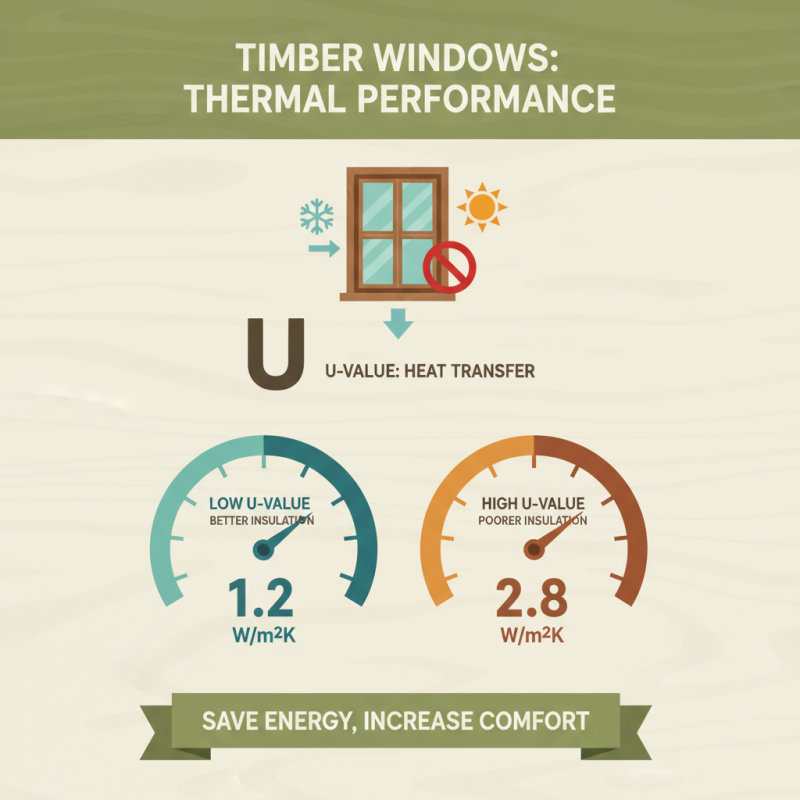
When considering timber windows for your home, thermal performance is crucial. Energy efficiency ratings help determine how well windows insulate. Look for ratings such as U-value, which marks the heat transfer rate. A lower U-value indicates better insulation. Some high-performing timber windows boast U-values as low as 1.2 W/m²K, outperforming many traditional options.
According to industry reports, well-designed timber windows can save up to 30% on energy bills. This is significant for homeowners aiming to reduce costs. Their natural insulation properties also help maintain consistent indoor temperatures. However, not all timber windows are created equal. It’s essential to evaluate the quality of materials and construction. Poorly manufactured windows may not provide the anticipated efficiency despite favorable ratings.
Another vital aspect is the window's energy rating. Windows can be evaluated from A to G, with A being the best. Timber windows typically achieve C to A ratings. Opting for higher-rated windows may seem costly upfront. However, the long-term energy savings and comfort can be worth it. Keep in mind that your choice of glazing also affects performance. Double or triple glazing combined with high-quality timber frames enhances thermal efficiency, leading to a more comfortable home.
Cost Analysis: Budgeting for Timber Windows in Home Renovation
When budgeting for timber windows in your home renovation, you must consider various factors. Timber windows offer a classic aesthetic and energy efficiency. However, they can vary greatly in price. On average, expect to spend between $250 and $1,000 per window, depending on size and style. This range can be overwhelming, especially if you’re working with a limited budget.
Installation costs add another layer of expense. Professional installation might cost an additional $100 to $500 per window. If you're a DIY enthusiast, you could save money. Yet, mistakes during installation could lead to increased costs later. Evaluate the value of your time and skill level before diving into DIY projects.
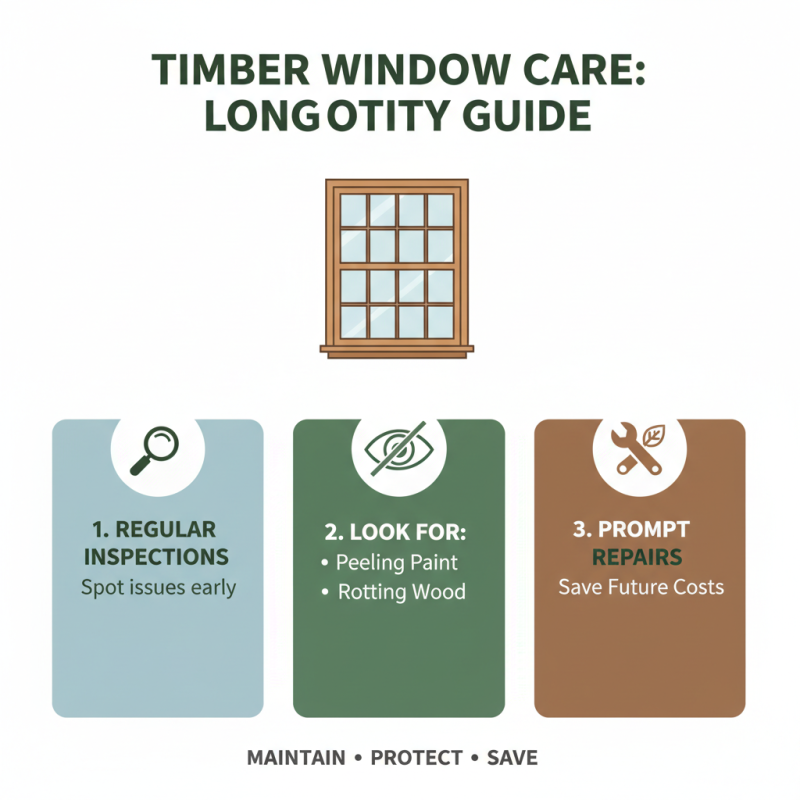
Maintenance is another critical aspect. Timber windows require regular painting or staining to prevent rot. This ongoing maintenance can add to the expense over time. Weigh the long-term costs against the initial investment. Reflect on what suits your lifestyle and aesthetic preferences. Each choice influences your budget and overall satisfaction with your renovation.
Timber Windows Cost Analysis for Home Renovation