Leave Your Message

What are Energy Saving Windows and How do They Work?

Energy saving windows are becoming essential in modern home design. According to the U.S. Department of Energy, approximately 25-30% of residential heating and cooling energy is lost through windows. These innovative windows reduce energy loss and improve comfort. They can significantly lower utility bills, promoting energy efficiency.

Experts in the field emphasize the impact of these windows. Dr. Sarah Thompson, an industry leader, states, "Energy saving windows are vital for reducing our carbon footprint." Her insights highlight the critical role these windows play in sustainability. However, while these windows are effective, not all products on the market meet energy efficiency standards, which leaves consumers needing guidance.

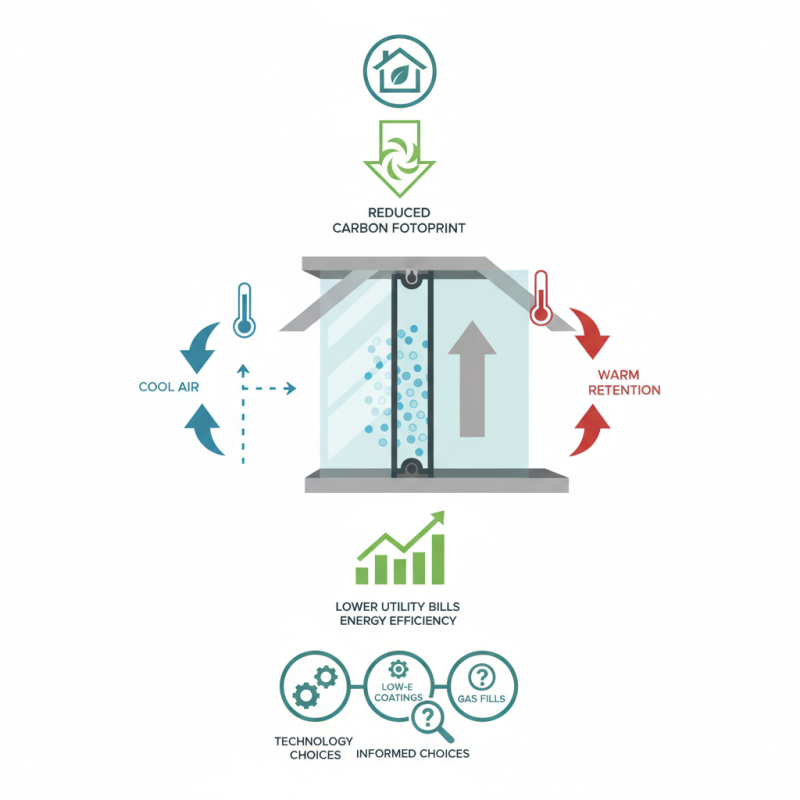
Choosing the right energy saving windows can be challenging. Homeowners often face overwhelming options and confusion over technologies. It's essential to understand their features, such as low-emissivity (Low-E) coatings and gas fills, to make informed choices. Without proper knowledge, people may invest in subpar products, missing the full benefits of energy saving windows.
What are Energy Saving Windows and How do They Work?

What are Energy Saving Windows?

Energy saving windows are designed to increase a building's energy efficiency. These windows contribute to reduced energy costs and enhanced comfort. A study by the U.S. Department of Energy revealed that up to 30% of residential heating and cooling energy is lost through inefficient windows. This makes choosing the right windows essential for homeowners looking to save on energy bills.

Energy saving windows typically feature multiple glazing layers, which create insulating air spaces. Low-emissivity (low-E) coatings reflect infrared light, keeping heat inside during winter and outside during summer. This technology can cut energy losses by 25% to 50%. However, not all windows are created equal. Some may lack appropriate insulation, leading to unexpected drafts or humidity issues. Homeowners should consider their specific climate needs and conduct thorough research before making an installation decision.

Installation is critical for maximizing benefits. Poor installation can negate potential energy savings. Even the best windows won’t perform well if not fitted correctly. Many overlook this aspect, focusing solely on the window's insulation properties. Choosing qualified professionals for installation can make a significant difference. Ultimately, energy saving windows offer considerable potential. Homeowners must weigh their options carefully and be mindful of the varying performance rates across different products.
Key Technologies Used in Energy Saving Windows

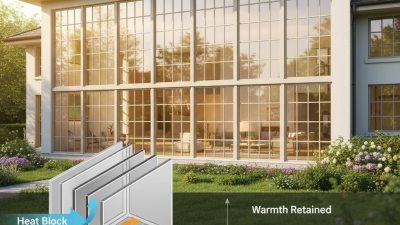
Energy saving windows are designed to enhance energy efficiency in buildings. Various technologies contribute to their functionality. One of the key aspects is low-emissivity (Low-E) glass. This specific glass layer reflects heat back into the room, keeping it warm during winter. In summer, it prevents heat from entering.

Another important technology is the use of insulated frames. They reduce heat transfer, improving overall insulation. The gap between the panes often contains argon or krypton gas, which offers better thermal performance. This setup can also limit noise pollution. However, not all combinations work perfectly in every climate.

Some homeowners may encounter challenges. Installation can be complex and requires skilled professionals. Improper fitting might lead to air leaks. Addressing these issues is essential for maximum efficiency. It's crucial to weigh the initial costs against long-term savings. The effectiveness of energy saving windows hinges on both technology and proper installation.

Energy Saving Windows Performance Comparison

This bar chart displays the U-Value (thermal transmittance) of different types of energy saving windows. Lower U-Values indicate better insulating properties, making triple pane and gas-filled windows more efficient than single pane windows.

Understanding the Energy Performance Ratings (U-Value and SHGC)

What are Energy Saving Windows and How do They Work?

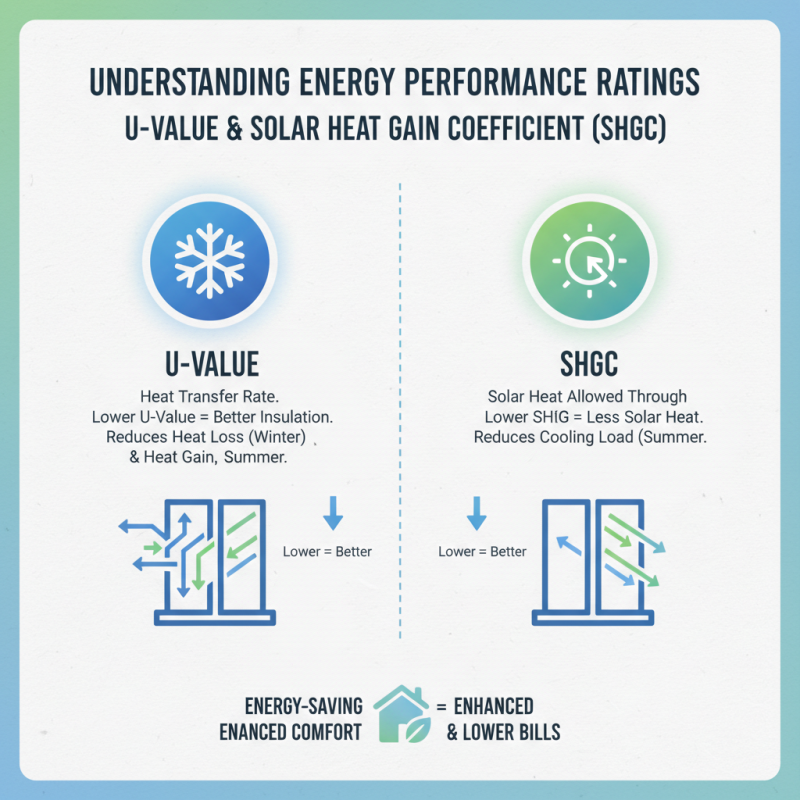
Energy saving windows are essential for modern homes. They enhance comfort and reduce energy bills. Understanding energy performance ratings is crucial. There are two primary metrics: U-Value and Solar Heat Gain Coefficient (SHGC).

U-Value measures heat transfer. A lower U-Value indicates better insulation. It reflects how well a window keeps heat inside during winter. For example, a window with a U-Value of 0.3 is more efficient than one rated at 0.5. Aim for windows with lower values, but remember that very low U-Values may lead to higher costs.

SHGC measures solar radiation. It tells how much heat from the sun enters through a window. A lower SHGC is better for hot climates. Control heat gain while allowing natural light. It’s tricky balancing light and warmth.

Tips: Choose windows according to your climate. Research local conditions before deciding. Combining U-Value with SHGC offers the best performance. Don’t overlook proper installation; it can affect ratings significantly. Double-check the measurements. Sometimes, even small errors can lead to energy loss.

Benefits of Installing Energy Saving Windows for Homeowners

What are Energy Saving Windows and How do They Work?

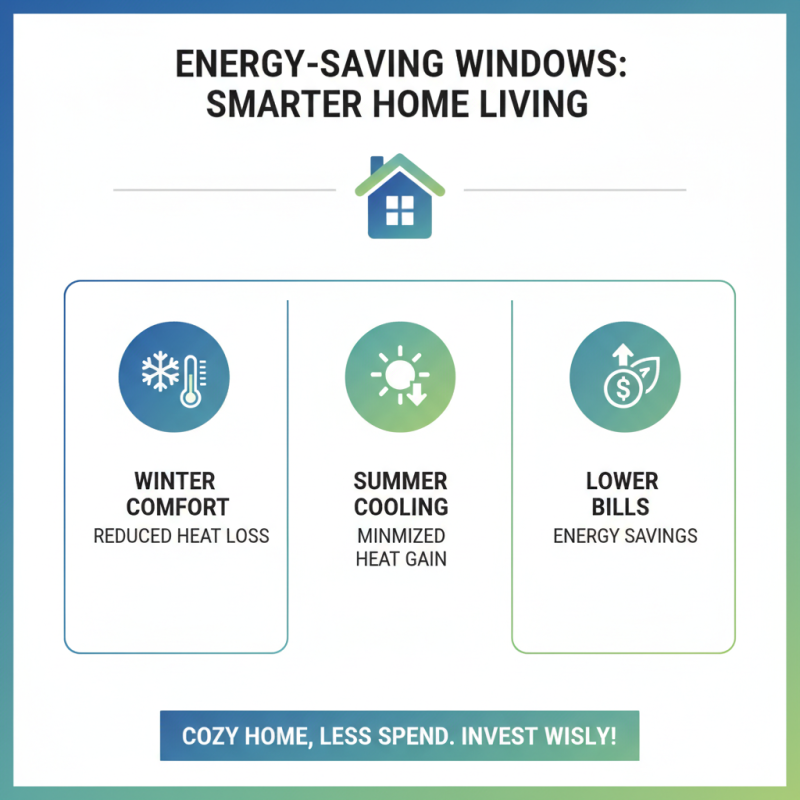
Energy saving windows are a great investment for homeowners. These windows help to maintain a comfortable indoor temperature. They minimize heat loss during winter and reduce heat gain in summer. This means you can enjoy a cozy home without high energy bills. Imagine a room that stays warm without cranking up the heat.

Installing energy saving windows can significantly lower energy costs. Over time, the savings can add up. However, the upfront cost can be a concern for some. Homeowners need to weigh initial expenses against long-term savings. Additionally, the effectiveness can vary based on local climate. Make sure to consider your unique needs when replacing windows.

Some homeowners may overlook the aesthetic impact of new windows. Energy saving options can come in various styles and colors. This means improving curb appeal while being energy efficient. However, this requires thorough research and planning. Not every choice fits every home. Careful consideration is key to achieving both beauty and efficiency in your home.

Comparative Analysis: Energy Saving Windows vs. Traditional Windows

Energy saving windows are designed to improve home efficiency. They often use multiple panes of glass and special coatings. These features help to reduce heat loss in winter and keep homes cooler in summer. Traditional windows may lack these beneficial technologies. They usually have single panes, leading to greater energy consumption.

A comparative look reveals important differences. Energy saving windows can significantly reduce utility bills. On the other hand, traditional windows may still be functional but are less efficient. You might notice frost on the inside of old windows. This can indicate poor insulation. Also, energy efficient models often provide better comfort levels throughout the year.

However, not all energy saving options are perfect. Some homeowners find initial costs to be high. Additionally, improper installation can undermine their benefits. It's crucial to consider local climate when choosing windows. Yet, the long-term savings can often outweigh these drawbacks. The choice becomes a balance between immediate budget and future efficiency.