What is Energy Saving Windows and How Can They Benefit Your Home
Energy Saving Windows have emerged as a vital solution for homeowners seeking to enhance energy efficiency and reduce utility costs. According to the U.S. Department of Energy, windows account for 25-30% of residential heating and cooling energy use, emphasizing the critical role that energy-efficient windows play in home energy conservation. These windows are designed to minimize energy loss through improved insulation and solar control, which can lead to substantial savings on energy bills over time.
Renowned energy efficiency expert Dr. Jessica Green has noted, "Investing in Energy Saving Windows is not just about reducing costs; it's about creating a sustainable living environment that benefits both families and the planet." This perspective highlights the dual advantages of energy-saving technology, aligning economic savings with environmental stewardship. As homeowners increasingly prioritize energy efficiency, integrating Energy Saving Windows into home design becomes not only a practical choice but also a responsible one, ensuring a more sustainable future while maintaining aesthetic appeal.
What Are Energy Saving Windows?
Energy saving windows are specially designed to minimize heat transfer between the interior of a home and the outside environment. They typically feature advanced technologies such as multiple glazing layers, low-emissivity (Low-E) coatings, and gas fills to enhance their insulating properties. By reducing the amount of heat that escapes during winter and filtering out unwanted heat on hot summer days, these windows contribute to maintaining a comfortable indoor temperature year-round.
In addition to improving energy efficiency, energy saving windows offer several other benefits for homeowners. They can help lower energy bills by reducing reliance on heating and cooling systems, making significant long-term cost savings possible. Furthermore, many energy-saving windows provide enhanced UV protection, safeguarding indoor furnishings from fading. This not only protects valuable possessions but also promotes a healthier indoor environment by reducing the likelihood of mold and excess humidity. Overall, energy saving windows are a wise investment for those looking to enhance both the comfort and energy efficiency of their homes.
Energy Saving Windows Benefits
Key Features of Energy Saving Windows
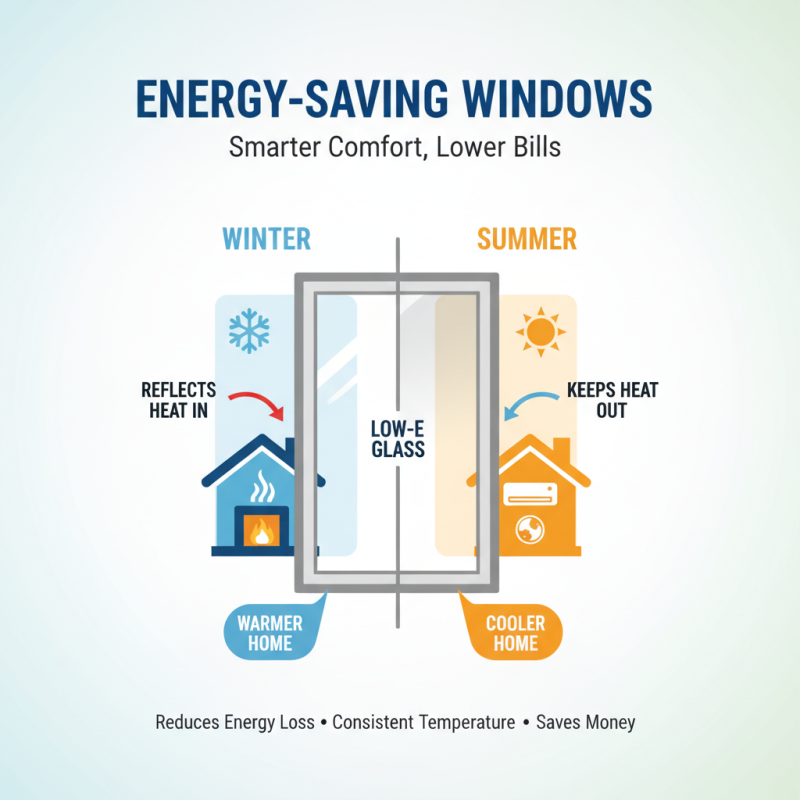
Energy saving windows are designed to significantly reduce heat transfer and improve your home's energy efficiency. One of their key features is low-emissivity (Low-E) glass, which has a special coating that reflects heat back into the home during winter while keeping it out during summer. This helps maintain a consistent indoor temperature, reducing the need for heating and cooling, and ultimately saving on energy bills.
Another important aspect of energy saving windows is their insulation properties. They typically use multiple panes of glass with gas fills, such as argon or krypton, between the panes to minimize heat loss. This design not only enhances thermal performance but also helps block out noise, which can be beneficial for homeowners in busy neighborhoods.
**Tips:** When selecting energy saving windows, ensure they have a high Energy Star rating for optimal efficiency. Regular maintenance, such as checking seals and cleaning the glass, can further enhance performance. Additionally, consider the orientation of your windows; properly placed windows can maximize natural light and passive solar heating, contributing to significant energy savings.
How Energy Saving Windows Work to Reduce Energy Costs
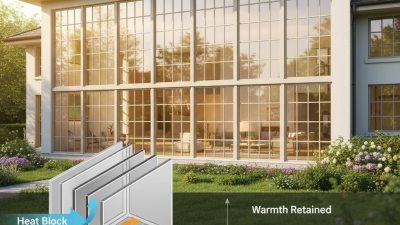
Energy-saving windows are designed with advanced technology to significantly reduce energy costs associated with heating and cooling. These windows typically feature multiple panes of glass, an insulating gas between the panes, and a low-emissivity (low-E) coating that reflects infrared heat while allowing visible light to enter. By minimizing heat transfer, energy-saving windows help maintain a consistent indoor temperature, reducing the reliance on heating and cooling systems.
When outside temperatures fluctuate, energy-saving windows act as a barrier, preventing heat loss in the winter and keeping unwanted heat out during the summer. This enhanced insulation not only leads to lower energy bills but also contributes to a more comfortable living environment. Additionally, these windows can promote better indoor air quality by minimizing drafts and condensation, which can contribute to mold growth and other issues. Investing in energy-efficient windows is thus a strategic move for homeowners looking to optimize energy usage and create a more sustainable home.
Benefits of Installing Energy Saving Windows in Your Home
Energy saving windows are designed to reduce energy loss and improve the overall efficiency of your home. These windows typically incorporate advanced technologies such as low-emissivity (low-E) coatings, multiple glazing, and inert gas fills, all of which work together to minimize heat transfer. By installing energy saving windows, homeowners can experience significant reductions in heating and cooling costs, making their living spaces more comfortable year-round.
Benefits of installing energy saving windows extend beyond just cost savings. They can enhance the aesthetic appeal of your home, increase property value, and contribute to a more sustainable environment. With the right window design, you can also improve indoor air quality and reduce drafts, resulting in a more pleasant living experience. Importantly, energy saving windows can help reduce your carbon footprint, leading to a positive impact on the environment.
Tip: When selecting energy saving windows, consider homes’ orientation and local climate conditions. This can help you choose the most effective window types for maximizing energy efficiency.
Tip: Look for windows that qualify for energy efficiency programs or rebates in your area. This can significantly offset the initial investment, making it even more economically viable.
Choosing the Right Energy Saving Windows for Your Needs
When it comes to choosing the right energy-saving windows for your home, there are several factors to consider to ensure you make the best decision for your specific needs. First, assess the climate in your region. Different window materials and technologies are better suited for varying weather conditions. For example, double-glazed windows are excellent for colder climates as they provide superior insulation, while Low-E glass can help reduce heat gain in warmer areas.
Next, consider the style and size of the windows to fit your home's architecture and aesthetic. Energy-saving windows come in various styles, including casement, slider, and awning windows. It's important to select a design that not only matches the exterior of your home but also optimizes energy efficiency. Additionally, don’t overlook the window frame material; options such as vinyl, wood, and fiberglass each come with their own insulating properties and maintenance requirements.
Lastly, it's crucial to look for certifications when selecting energy-saving windows. Look for labels indicating compliance with energy efficiency standards, as these can provide assurance that the windows will perform as promised. Consulting with professionals can also help you navigate the available options based on your budget and preferences, ensuring you find the perfect energy-saving windows to enhance your home's comfort and efficiency.
What is Energy Saving Windows and How Can They Benefit Your Home
| Window Type |
U-Factor (Value) |
Solar Heat Gain Coefficient (SHGC) |
Benefits |
| Double-Glazed |
0.30 |
0.30 |
Improved insulation, reduced heating costs |
| Triple-Glazed |
0.20 |
0.23 |
Higher thermal performance, noise reduction |
| Low-E Glass |
0.25 |
0.20 |
Blocks UV rays, increases energy efficiency |
| Gas-Filled Windows |
0.25 |
0.25 |
Enhanced insulation and energy performance |