10 Essential Tips for Choosing Clad Windows for Your Home Upgrade?
Upgrading your home windows is a significant decision, and clad windows offer a compelling option. These windows combine the durability of aluminum or vinyl with the beauty of wood. According to a recent report by the Window and Door Manufacturers Association (WDMA), clad windows have seen a 25% increase in popularity over the last five years. This trend highlights their appeal in balancing aesthetics and performance.
Yet, selecting the right clad windows can be overwhelming. It's crucial to consider factors like insulation properties, maintenance needs, and energy efficiency. The U.S. Department of Energy states that proper window selection can reduce energy bills by up to 30%. However, many homeowners feel uncertain about which features matter most.
Personal experiences vary. Some find that the initial cost of clad windows can be intimidating. Others reflect on the long-term savings they provide. Understanding these perspectives can guide you in making an informed decision. The following tips will equip you with essential knowledge to choose the right clad windows for your home.
Understanding Clad Windows: Definition and Benefits for Homeowners
Clad windows are an excellent choice for homeowners looking to upgrade their properties. They feature a durable exterior layer, often made from aluminum or vinyl, which protects the wood inside. This combination offers both aesthetic appeal and practical benefits. Homeowners enjoy lower maintenance needs and better energy efficiency due to the insulating properties of the wood.
When selecting clad windows, consider your climate. The material's performance may vary with temperature and moisture levels. Pay attention to the window’s insulation ratings. Windows with higher ratings can help reduce energy bills significantly.
Aesthetics also play a crucial role. Ensure the exterior finish matches your home’s architectural style. This involves understanding your home’s design elements. Experiment with colors and textures. Sometimes, a bold choice can elevate the overall look.
Lastly, consult an expert if unsure. Their experience can guide your decision-making and help avoid costly mistakes. Emphasizing the right windows will benefit your home in the long run. Remember, thoughtful choices lead to satisfying outcomes.
Evaluating Materials: Choosing the Right Cladding for Your Climate
When selecting clad windows, the choice of material is critical. Different climates require different responses to weather conditions. For example, vinyl cladding is popular in humid regions due to its moisture resistance. In contrast, wood cladding excels in areas with a drier climate, offering better insulation and aesthetics. According to industry reports, homes with wood-clad windows experience up to a 15% increase in resale value compared to standard alternatives.
Understanding local weather patterns can guide material selection. In colder climates, fiberglass cladding is recommended for its superior thermal performance. Research from the Department of Energy shows that energy-efficient windows can reduce heating bills by 12%. However, fibreglass may necessitate more maintenance in coastal areas due to its vulnerability to saltwater corrosion. Going for options like aluminum cladding can balance durability and resistance in diverse environments.
It's essential to weigh aesthetic considerations alongside functional ones. Some materials may look appealing but could underperform. Homeowners often underestimate the impact of sun exposure and temperature fluctuations on material lifespan. A thoughtful approach ensures long-lasting windows that complement your home while standing up to climate challenges. Choosing the right cladding requires careful evaluation. It involves both the immediate question of looks and the long-term implications for energy efficiency and upkeep.
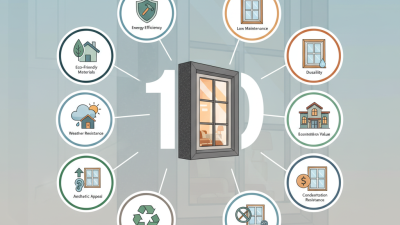
10 Essential Tips for Choosing Clad Windows for Your Home Upgrade
| Tip No. |
Tip Description |
Recommended Cladding Materials |
Climate Suitability |
| 1 |
Consider energy efficiency ratings. |
Vinyl, fiberglass |
All climates |
| 2 |
Evaluate maintenance requirements. |
Aluminum, wood |
Moderate to cold climates |
| 3 |
Assess durability and lifespan. |
Fiberglass, vinyl |
All climates |
| 4 |
Match cladding with architectural style. |
Wood, aluminum |
All climates |
| 5 |
Check for warranties and guarantees. |
Vinyl, fiberglass |
All climates |
| 6 |
Inquire about customization options. |
Wood, aluminum |
All climates |
| 7 |
Research installation methods. |
Vinyl, fiberglass |
All climates |
| 8 |
Consider color and finish options. |
Aluminum, vinyl |
All climates |
| 9 |
Look into sound insulation properties. |
Vinyl, fiberglass |
Noisy climates |
| 10 |
Get professional recommendations. |
All materials |
All climates |
Aesthetic Considerations: Matching Clad Windows to Your Home’s Style
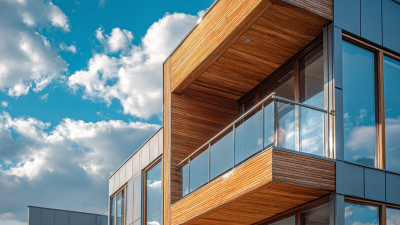
Choosing the right clad windows is crucial for your home’s aesthetics. It’s not just about style; it’s about creating harmony. When selecting clad windows, consider how they blend with your home’s architectural style. For modern homes, sleek, minimalist designs can enhance a clean look. Traditional homes may benefit from classic, ornate window designs to maintain historic charm.
When matching clad windows to your home’s style, think about color schemes. A window frame in a contrasting color can highlight architectural details. Alternatively, a color that blends can create a seamless look. It’s essential to visualize how different colors and styles will interact with your overall design.
Don’t overlook materials. Wood-clad options can offer warmth that vinyl or aluminum may lack. However, they require maintenance and can present challenges. You should also consider the long-term implications of your choice. Are you willing to repaint or refinish? Realizing that not every choice will be perfect can lead to better decision-making. Take your time during this process; mistakes can be costly.
Energy Efficiency: How Clad Windows Impact Insulation and Utility Bills
When upgrading your home, consider the impact of clad windows on energy efficiency. These windows combine a durable exterior with a warm interior finish. This design helps reduce heat loss during winter and keeps cool air in during summer. People notice a marked decrease in their utility bills after switching to clad windows.
Choosing the right materials is essential. Look for options that suit your climate. Wood-clad windows are great for insulation but may require more maintenance. Aluminum-clad windows offer durability but may not provide the same level of insulation. Reflect on your specific requirements.
Tip: Insulation ratings, such as the U-factor, indicate a window's efficiency. Look for a low U-factor for better insulation performance. Consider double or triple glazing as well. This can significantly increase the insulating power of your windows. Small details add up. A well-insulated home stays comfortable year-round.
Installation Factors: Professional Help vs. DIY Approaches to Clad Windows
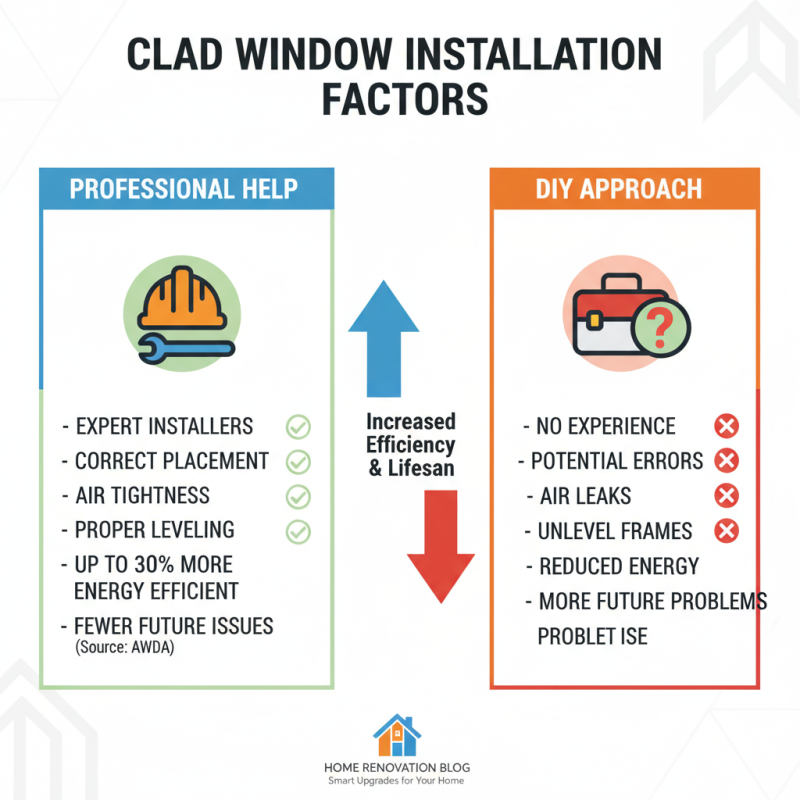
When considering clad windows, installation is a key factor. Hiring professionals can ensure correct installation, minimizing future issues. According to the American Window & Door Association, proper installation increases energy efficiency by up to 30%. Skilled installers can avoid common errors that DIYers might overlook, like ensuring air tightness or leveling the frames.
On the other hand, DIY approaches can save costs but come with risks. Many homeowners underestimate the time and expertise required. A poorly installed window can lead to drafts and water leaks. The National Association of Home Builders reports that mistakes in window installation often lead to a higher likelihood of callbacks. Weighing these factors is essential for a successful home upgrade. Consider your skills and the project's complexity before deciding.