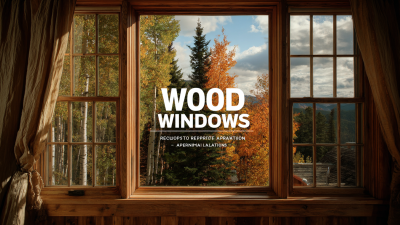
Choosing the right windows for your home can feel daunting. Among various options, Metal Clad Wood Windows stand out. They offer a unique blend of aesthetics and functionality. These windows combine the beauty of wood with the durability of metal.
When selecting Metal Clad Wood Windows, it's crucial to consider multiple factors. Quality materials ensure longevity, while energy efficiency can lower utility bills. The design should complement your home’s style and enhance its appeal. Customization options can also make a difference.
Many homeowners overlook the importance of professional installation. Proper installation maximizes performance and minimizes issues. It's essential to research reputable suppliers and contractors. This will ensure you choose windows that truly meet your needs.
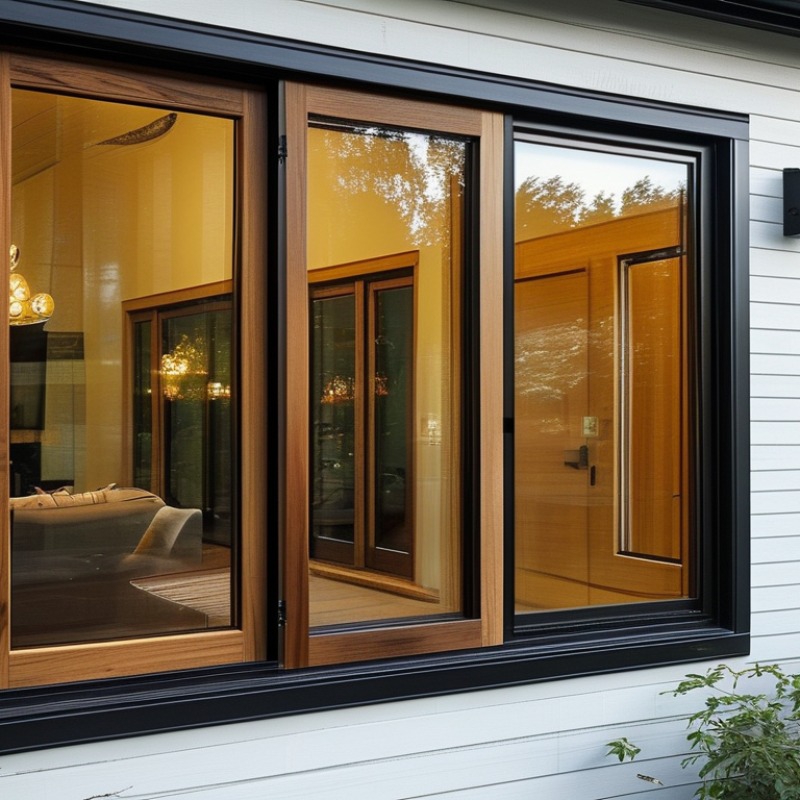
Metal clad wood windows combine elegance with durability. These windows feature a wooden interior that provides warmth and beauty. The exterior is clad with metal, typically aluminum, to resist the elements. This combination offers aesthetic appeal and practical benefits.
Choosing metal clad wood windows has many advantages. They are energy efficient, reducing heating and cooling costs. The metal exterior stands up to rain, snow, and UV rays. It minimizes maintenance needs, unlike traditional wood that can rot or warp. With proper care, these windows can last for decades.
However, not everything is perfect. The initial cost can be higher than standard windows. Installation complexity also adds to expenses. While their lifespan is impressive, trends might shift, affecting resale value. Reflecting on these factors will ensure you make an informed decision.
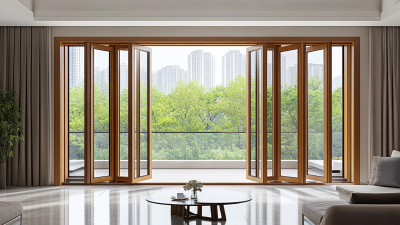
When considering the aesthetic appeal of metal clad wood windows, the interplay of materials plays a significant role. The warm, natural beauty of wood harmonizes with the sleek finish of metal, creating a striking contrast. Choose colors that complement your home’s exterior. Earthy tones can ground a design, while bold hues may stand out.
Consider how the window style fits your home’s architecture. Traditional homes benefit from classic wooden frames, while modern structures might shine with contemporary metal finishes. Experimenting with shapes also adds visual interest. Arched or angled windows can enhance the overall look.
One essential tip is to review the interior design as well. The beauty of wood can be highlighted by choosing the right stain or paint. A careful selection will ensure the interior feels cohesive and inviting. Personal preferences should guide color choices. Each window can be a canvas to express your style. From mismatched shades to uniform colors, reflect your character through your choices.
When choosing metal clad wood windows, energy efficiency is a key factor. These windows combine the natural beauty of wood with the durability of metal. Metal cladding protects the wood from harsh weather and reduces maintenance needs. This combination can lead to substantial long-term energy savings.
Look for windows with a high R-value. The R-value measures insulation effectiveness. A higher R-value means better thermal performance. Pay attention to the frame and spacer materials as well. Low conductance materials can significantly reduce heat transfer. Multiple panes can also enhance efficiency by creating insulating airspaces.
Consider the window's energy performance ratings. Research and compare ratings for various products. Not all metal clad wood windows perform the same. Real-world tests can reveal differences in performance. Some may boast high ratings but fall short under specific conditions. It’s wise to reflect on actual user experiences. This can inform your decision and ensure you choose wisely.
When selecting metal clad wood windows, the choice of materials is crucial for durability. These windows typically feature an interior of wood that offers natural beauty. The exterior is protected by metal, often aluminum or vinyl, which shields against harsh weather. This combination provides strength and aesthetic appeal, but not all materials are created equal.
Consider the climate in your area. Harsh environments can wear down lesser materials quickly. Look for finishes that resist corrosion and fading. For instance, powder-coated exteriors offer durability against UV rays and moisture. These finishes can maintain their look for years, even in challenging conditions. However, it's essential to stay aware of scratches or dents on the metal surface. They can compromise the window's protective qualities.
Wood types also play a significant role. Some woods, like pine, are softer and more prone to damage. Hardwoods, such as oak or mahogany, provide greater longevity. However, their price point may deter homeowners. Understand the maintenance requirements of different wood types. Regular treatment is necessary to preserve their integrity. Balancing durability with aesthetic preferences requires careful thought. Each choice has its tradeoffs, and weighing these can lead to a more informed decision.
When choosing metal clad wood windows, installation and maintenance are critical factors. Proper installation ensures the longevity and performance of your windows. It’s essential to make sure the frame is square and level. Any misalignment can lead to air leaks or water intrusion. Hiring a skilled professional can prevent these issues. Additionally, consider the specific weather conditions in your area. Ensure that the flashing and seals used are suitable for your climate.
Maintenance is just as crucial. Regular inspection helps catch problems early. Check for any signs of rot or decay in the wood. It's vital to repaint or refinish the exterior every few years. This step protects the wood and maintains its aesthetics. Cleaning the metal cladding is also necessary. Dirt and grime can lead to corrosion over time. Minor scratches on the cladding should be addressed promptly to avoid bigger issues. Reflecting on these maintenance tasks ensures the windows remain not only functional but also visually appealing.
| Tip | Description | Factors to Consider | Maintenance |
|---|---|---|---|
| 1. Assess Your Climate | Understand the weather conditions that your windows will face. | Temperature fluctuations, humidity | Check seals regularly |
| 2. Evaluate Energy Efficiency | Look for windows with high energy ratings. | Energy Star ratings, U-factor | Inspect for drafts |
| 3. Choose Durable Materials | Metal cladding provides added durability. | Type of metal, corrosion resistance | Clean metal surfaces |
| 4. Consider Aesthetic Appeal | Select a style that complements your home. | Design trends, color options | Touch up paint as needed |
| 5. Evaluate Cost vs. Value | Balance initial costs with long-term savings. | Installation costs, energy savings | Budget for repairs |
| 6. Check Warranty Options | Ensure warranties offer good coverage. | Length of warranty, what it covers | Keep warranty documents safe |
| 7. Research Installation Professionals | Hire experienced contractors for installation. | Recommendations, reviews | Schedule routine checks |
| 8. Plan for Proper Drainage | Ensure windows are installed with proper drainage systems. | Sill design, weep holes | Clear drainage paths |
| 9. Assess Soundproofing Qualities | Consider windows that block noise effectively. | STC ratings, double glazing | Inspect seals over time |
| 10. Customize for Your Needs | Work with a professional to customize your windows. | Size, features | Check mechanisms regularly |