What are Fire Resisting Windows and Why are They Important?
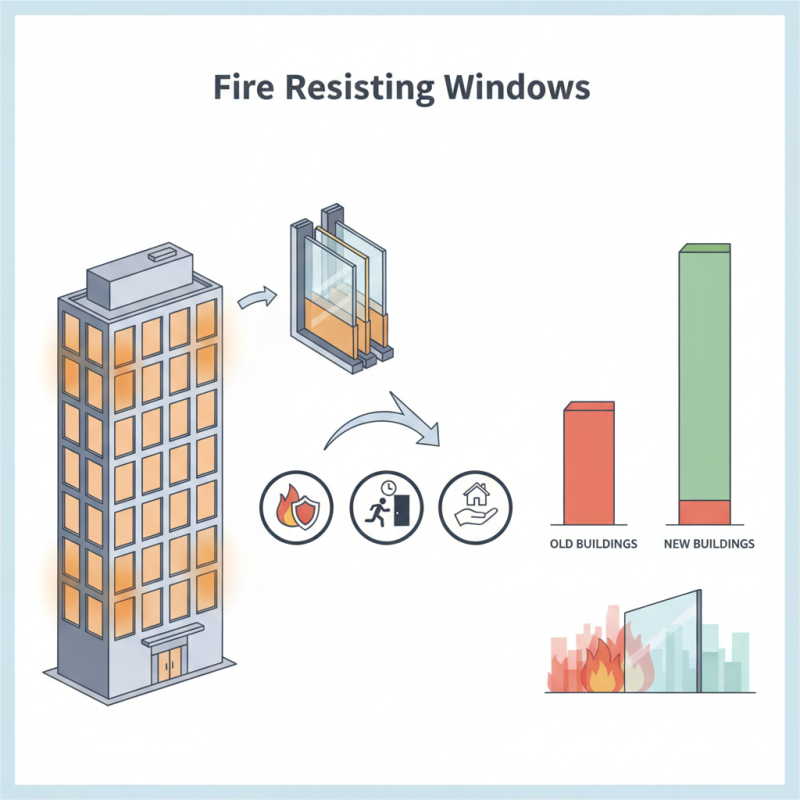
Fire resisting windows are essential elements in modern building design. They not only provide natural light but also play a critical role in fire safety. According to industry expert Dr. Emily Hart, "Fire resisting windows serve as a vital barrier between flame and life." This emphasizes their importance in protecting occupants and property.
The construction of these windows involves specialized materials that can withstand high temperatures. This enables them to slow down fire spread and provide more escape time. Often, their design is overlooked in favor of aesthetics. However, the balance between form and function is crucial.
In an age where urban fires can escalate rapidly, the placement of fire resisting windows cannot be ignored. They must be considered in all building plans. Unfortunately, many buildings still lack proper fire safety features. This gap must be addressed promptly for the safety of all.
Definition of Fire Resisting Windows and Their Functionality
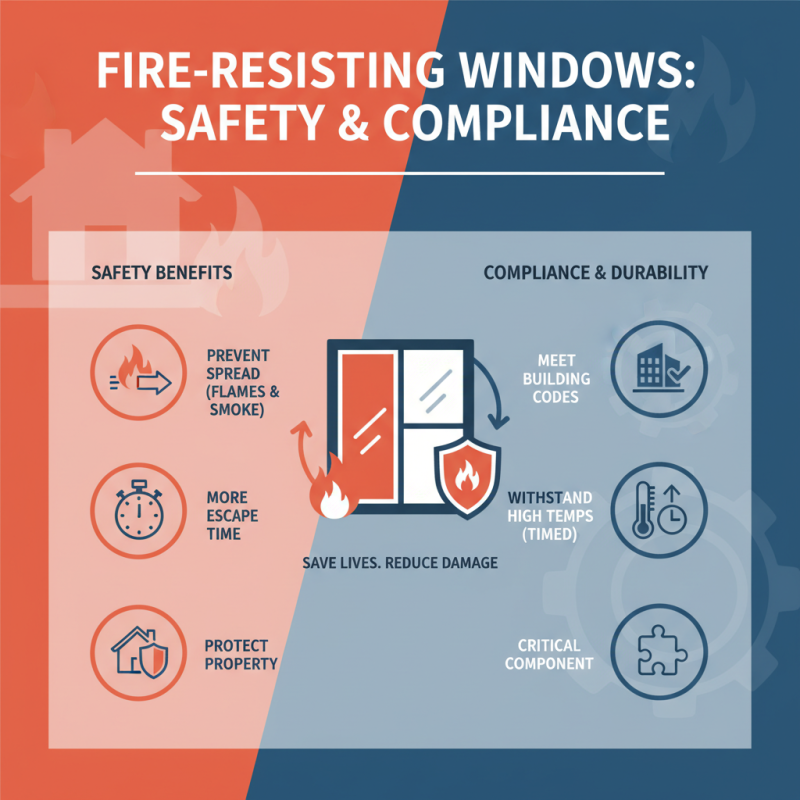
Fire resisting windows are specially designed to withstand high temperatures and prevent the spread of fire. These windows play a crucial role in enhancing the safety of buildings. They act as barriers, protecting escape routes and ensuring that flames and smoke do not travel between spaces. A good fire resisting window can significantly reduce the damage caused by fire.
The functionality of fire resisting windows lies in their unique materials. They often include tempered glass and special framing techniques. These components can endure intense heat while keeping integrity over time. In many cases, frames may even expand under heat pressure without breaking. Awareness of these features helps individuals make informed choices about safety in their environments.
Tips: Always check the fire rating of windows before installation. Consider how fire resisting windows fit in with your building’s layout. Regular maintenance is essential for keeping them effective. Remember, no window is entirely fireproof, so use them as part of a complete fire safety strategy.
Materials Used in Fire Resisting Windows: Fire Ratings Explained
Fire resisting windows are essential components in modern building design. They serve as barriers against flames and smoke during a fire. Understanding the materials used in these windows is crucial for safety. Different materials come with various fire ratings.
Typically, fire resisting windows are made from tempered glass or laminated glass. These materials can withstand high temperatures, usually up to 60 minutes. However, the effectiveness of these windows depends on installation. Misalignment or gaps can reduce their protective qualities. Fire-rated frames also play a significant role. They provide additional protection and support for the glass panels.
Fire ratings are classified into categories, such as 30, 60, and 90 minutes. The rating indicates how long the window can resist fire exposure. High ratings do not guarantee absolute safety. Factors like fire intensity and building materials can influence outcomes. Choosing the right window requires careful consideration. Costs can vary widely based on materials and ratings. It’s essential to balance safety, functionality, and budget in every decision.
Applications of Fire Resisting Windows in Building Design
Fire resisting windows are crucial for modern building design. They enhance safety by limiting the spread of fire and smoke. These windows are often made with special glass that can withstand high temperatures. In high-rise buildings, they protect stairwells and exits. This reduces the risk of smoke inhalation and provides safe egress for occupants.
In residential applications, fire resisting windows can be placed in areas adjacent to exterior walls. This helps to contain fires within certain zones. It’s not just about safety; it’s also about compliance with building codes. Many areas require these windows to meet specific fire ratings.
**Tip:** When designing your space, consider the flow of smoke during a fire. Always consult professionals for the best placement of fire resisting windows. They can save lives.
Often, fire resisting windows are overlooked during renovations. It's important to review these elements in older structures. Upgrading could prevent potential hazards. While they may increase initial costs, the long-term safety benefits are significant.
**Tip:** Regular maintenance checks are essential. Ensure the seals and frames remain intact for optimal performance. Skipping these checks can lead to failures during emergencies.
What are Fire Resisting Windows and Why are They Important? - Applications of Fire Resisting Windows in Building Design
| Feature |
Description |
Importance |
Common Applications |
| Material |
Typically made from tempered glass and fireproof frames. |
Resists fire and prevents heat transfer. |
High-rise buildings, commercial complexes. |
| Fire Rating |
Rated for 30, 60, or 90 minutes of fire resistance. |
Helps to contain fires and protect escape routes. |
Hotels, hospitals, schools. |
| Sound Insulation |
Provides excellent sound insulation along with fire resistance. |
Enhances comfort and privacy in buildings. |
Residential units, offices near industrial areas. |
| Aesthetics |
Available in various designs and finishes. |
Maintain visual appeal while ensuring safety. |
Modern architecture, façade designs. |
| Cost |
Generally more expensive than regular windows. |
Investing in safety can save lives and property. |
All fire-sensitive buildings. |
Maintenance and Inspection of Fire Resisting Windows for Longevity
Fire resisting windows play a crucial role in building safety. They help contain flames and smoke, protecting lives and property. However, maintaining these windows is essential for their effectiveness. Regular inspection ensures they function properly when needed most.
Inspect your fire resisting windows every six months. Look for cracks or gaps that may compromise their integrity. If you notice any damage, address it immediately. Regular cleaning is also vital. Dirt and debris can reduce visibility and effectiveness during a fire.
Tips for maintaining fire resisting windows:
1. Check the seals around the frame. Proper sealing can prevent smoke from escaping.
2. Ensure that the window mechanisms operate smoothly. Sticky windows can hinder quick evacuation.
3. Keep the area around windows clear. Obstructions can delay response during emergencies.
Fire resisting windows may not be perfect. Over time, materials can degrade. With proper care, their lifespan improves. Regular attention helps ensure they remain a reliable safety feature in any building.
Importance of Fire Resisting Windows and Maintenance Insights