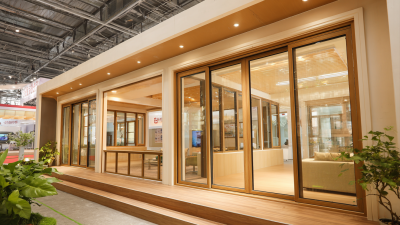
Top 10 Fire Resisting Windows for Enhanced Safety and Protection
In today's world, where safety and security are paramount, the significance of fire resisting windows cannot be overstated. These specialized windows play a crucial role in enhancing the protection of buildings against fire hazards, acting as a barrier that can prevent the spread of flames and smoke. As urban areas continue to grow and the density of buildings increases, the need for advanced safety measures has become more pressing. Fire resisting windows not only provide a measure of comfort but are also essential in safeguarding lives and property.
This article explores the top 10 fire resisting windows available on the market, highlighting their features, benefits, and the technology that makes them indispensable for any fire-safe building design. By focusing on the unique attributes of each product, we aim to inform architects, builders, and homeowners about their options when it comes to selecting windows that offer reliable fire protection. Ultimately, investing in fire resisting windows is not just about compliance with safety regulations; it is about fostering a culture of safety that prioritizes the well-being of those who inhabit these spaces.
Overview of Fire Resisting Windows and Their Importance
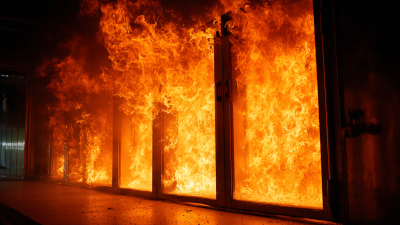
Fire resisting windows play a critical role in enhancing safety and protection in both residential and commercial buildings. These specialized windows are designed to withstand high temperatures and prevent the spread of fire and smoke, thereby providing a vital barrier during emergencies. The materials used in fire resisting windows typically include tempered glass and multi-layered fire-resistant films, which not only protect the occupants but also buy crucial time for evacuation and emergency response.
The importance of fire resisting windows cannot be overstated, especially in urban areas where structures are in close proximity and the risk of fire spreading is heightened. By incorporating these windows into building designs, architects and builders can ensure compliance with fire safety regulations and significantly improve the overall resilience of a property. Additionally, these windows can enhance the thermal performance of a building, contributing to energy efficiency while prioritizing safety. This combination of safety, compliance, and efficiency underscores the necessity of integrating fire resisting windows in modern construction practices.
Key Features to Look for in Fire Resisting Windows
When considering fire safety for small blocks of homes, selecting the right fire-resisting windows is crucial. One of the key features to look for is the window frame material, which should ideally be made of non-combustible materials such as aluminum or fiberglass. These materials enhance durability and resistance to extreme heat, significantly reducing the risk of flames penetrating the interior space. Additionally, windows should be double-glazed or triple-glazed, providing better insulation and further protection against heat transfer during a fire.
Another important aspect is the window's fire rating, which indicates the duration it can withstand fire exposure without failing. Look for windows that have a rating of at least 30 minutes, as this can provide critical time for occupants to escape in the event of a fire. Additionally, ensure that the windows are equipped with tempered or laminated glass, which is less likely to shatter under heat stress, thus minimizing the chances of fire and smoke entering the home. By prioritizing these features, homeowners can significantly enhance the safety and protection of their property against fire hazards.
Top 10 Fire Resisting Windows Recommended for Safety
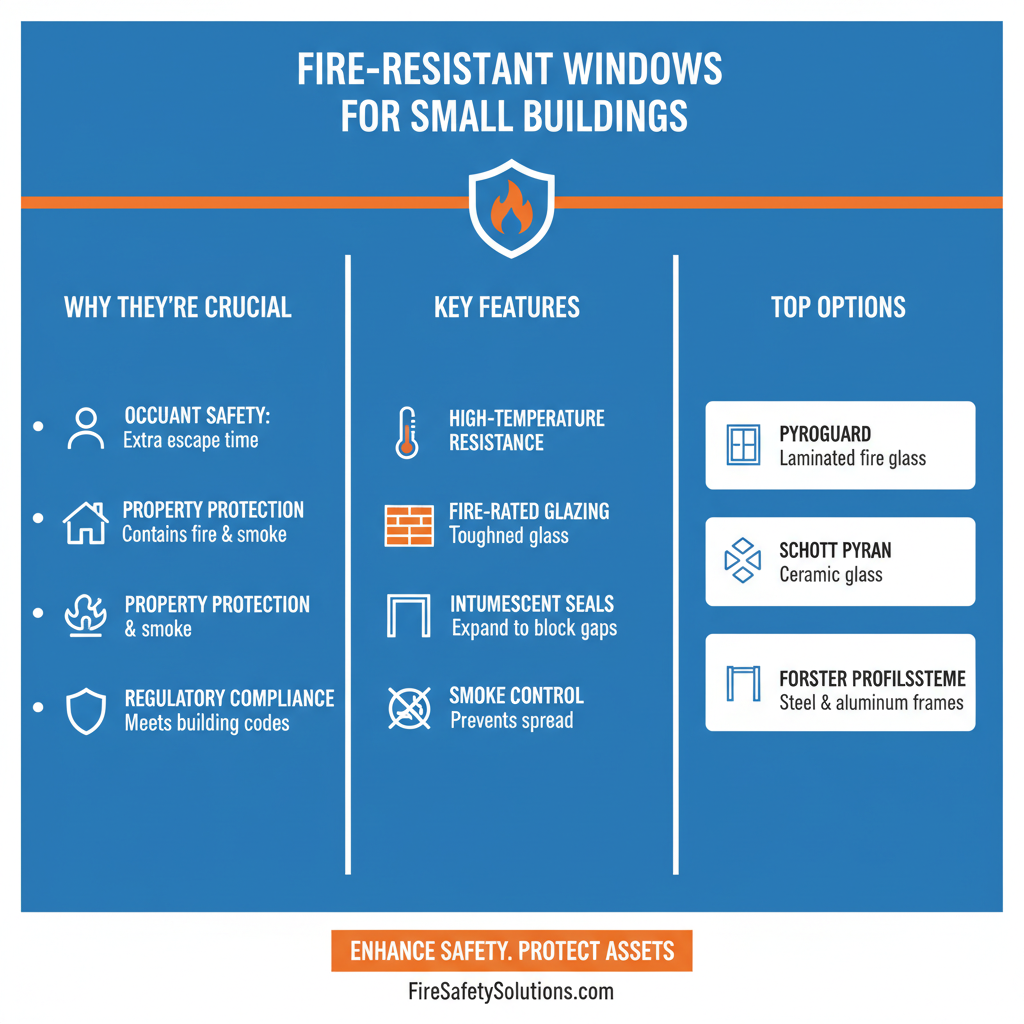
When considering fire safety in small blocks of residential or commercial structures, selecting the right
fire resisting windows is crucial. These windows not only enhance the safety of the occupants but also provide essential protection
against potential fire hazards. Among the top options available, several windows stand out due to their superior materials and
innovative designs. These windows are engineered to withstand high temperatures, preventing flames and smoke from spreading, thereby
giving occupants vital extra time to escape.
Moreover, the effectiveness of fire resisting windows lies in their ability to integrate seamlessly with existing architectural designs while
offering improved thermal insulation. This dual functionality not only enhances safety but also contributes to energy efficiency, making them an ideal choice for modern buildings.
As fire safety standards continue to evolve, the demand for high-quality fire resisting windows remains paramount for ensuring the
well-being of both residents and property.
Performance Standards and Ratings for Fire Resisting Windows
When selecting fire resisting windows, understanding performance standards and ratings is crucial for ensuring enhanced safety and protection. The most commonly referenced standards are established by the National Fire Protection Association (NFPA) and Underwriters Laboratories (UL), which evaluate the ability of windows to withstand high temperatures and prevent the spread of fire.
Fire resisting windows are typically classified into different rating categories based on their resistance time, such as 30 minutes, 60 minutes, or 90 minutes. These ratings indicate how long a window can endure fire exposure before failing, making them essential for safeguarding properties.
Moreover, the materials used in fire resisting windows play a significant role in their performance. Typically constructed with tempered glass or laminated safety glass, these windows provide superior insulation and fire resistance. Additionally, frame materials such as aluminum or steel, often treated with fire-resistant coatings, further enhance their efficacy. It’s important to verify that any window installed in a high-risk area meets or exceeds local building codes for fire safety. By focusing on these performance standards and ratings, homeowners and builders can make informed choices, prioritizing safety without compromising on aesthetic appeal.
Installation and Maintenance Tips for Fire Resisting Windows
When installing fire resisting windows, it's crucial to ensure that they are properly fitted to maximize their effectiveness in a fire. Begin by selecting windows that meet safety standards and are specifically designed for fire resistance. During installation, ensure that every seal is tight to avoid any gaps that could allow smoke or flames to enter. Employing a professional installation service is often recommended, as they possess the expertise to meet these safety requirements, ensuring that the windows function correctly under high temperatures.
Maintenance of fire resisting windows is equally important to ensure they remain effective over time. Regularly inspect the frames for any damage or deterioration that could compromise their insulating properties. Clean the glass and frames to remove debris that could interfere with the window's closing mechanism. It’s also advisable to test the windows periodically, checking their ability to close securely and to ensure no additional flammable materials are accumulated around them. Taking these steps will help maintain a safer living environment, enhancing your home's fire safety measures.
Top 10 Fire Resisting Windows for Enhanced Safety and Protection
| Window Type |
Fire Resistance Rating |
Material |
Installation Cost ($) |
Maintenance Frequency |
| Double Glazed Tempered Glass |
60 minutes |
Glass |
150-200 |
Every 5 years |
| Fire Rated Composite Window |
90 minutes |
Composite |
200-250 |
Every 3 years |
| Steel Frame Fire Window |
120 minutes |
Steel |
300-400 |
Every year |
| Aluminum Fire Resistant Window |
45 minutes |
Aluminum |
180-220 |
Every 4 years |
| Fiberglass Fire Window |
60 minutes |
Fiberglass |
250-300 |
Every 5 years |
| Laminated Glass Fire Window |
30 minutes |
Glass |
130-170 |
Every 6 years |
| Intumescent Coated Window |
120 minutes |
Wood/Steel |
250-320 |
Every 4 years |
| Bulletproof Fire Window |
90 minutes |
Glass/Polycarbonate |
350-500 |
Every 3 years |
| Sliding Fire Window |
60 minutes |
Aluminum/Glass |
200-270 |
Every 5 years |
| Bay Window with Fire Resistance |
45 minutes |
Composite |
300-350 |
Every 6 years |