2026 How to Choose the Best Timber Windows for Your Home?
When selecting the right Timber Windows, careful consideration is essential. Timber Windows offer a unique blend of aesthetics and energy efficiency. According to a report from the Timber Research and Development Association, homes with timber windows can see a reduction in energy consumption by up to 30%. This energy efficiency can lead to significant cost savings over time.
However, not all timber windows are created equal. Factors such as wood type, finish, and construction quality contribute to their overall performance and longevity. A study by the National Fenestration Rating Council highlights that well-insulated timber windows can achieve U-values as low as 1.2 W/m²K, surpassing many alternatives.
Despite these advantages, homeowners must also consider potential drawbacks. Regular maintenance is needed to prevent issues like rot or warping. There is a learning curve in selecting the right products and installation techniques. Buyers should research reputable manufacturers and consult with experienced professionals to make informed choices. Ensuring that your investment in timber windows is wise requires reflection on both the benefits and challenges they present.
Factors to Consider When Choosing Timber Windows for Your Home
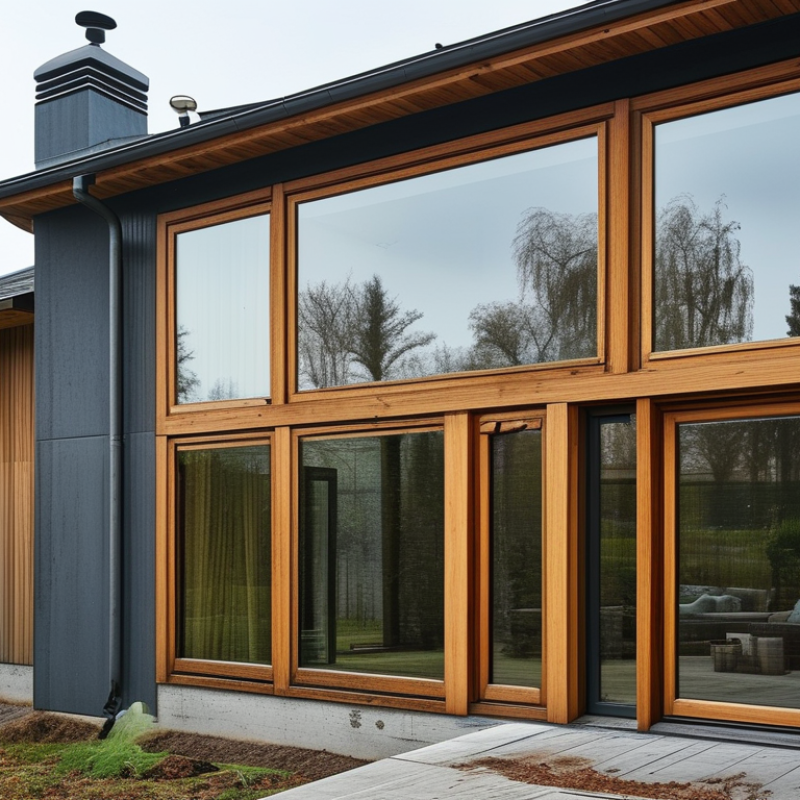
Choosing the right timber windows for your home can significantly impact its aesthetic and energy efficiency. Factor in the type of timber used. Different woods have varying durability and appearance. For instance, hardwoods tend to be more robust than softwoods. However, softwoods may offer flexibility in style and design. Additionally, consider the finish. A good finish not only enhances beauty but also protects against moisture and pests.
Another critical aspect is insulation. Quality timber windows should provide excellent thermal performance. Poor insulation can lead to drafts and higher energy bills. Ensure the windows have appropriate seals to maintain indoor comfort. The style is also essential. Choose designs that complement your home's architectural style, whether it's modern or traditional. Remember, a window's charm lies in its detail.
Lastly, think about maintenance. Timber windows require regular care, such as sanding and repainting. While they can be stunning, the upkeep can be demanding. This might not suit everyone’s lifestyle. Reflect on your commitments before making a decision. Ultimately, your choice should align with your home's needs and your personal preferences. Make informed choices to enhance both value and comfort in your space.
Understanding Different Types of Timber Used in Windows: A Comparative Guide
When choosing timber windows, understanding the types of timber is essential. Each type offers unique benefits and challenges. Softwoods, such as pine, are affordable and easy to work with. However, they typically require more maintenance. Hardwoods, like oak and walnut, are more durable but can be pricier. The choice depends on your aesthetic goals and budget.
Consider the environmental impact, too. Timber sourced from sustainable forests helps protect ecosystems. Research suppliers who prioritize sustainability. This choice not only benefits your home but also the planet.
Tips for selecting timber: Look for certifications indicating sustainability. Examine the wood grain; a consistent pattern often indicates quality. Always check for signs of knots or blemishes, which can affect durability. Be aware that some types may expand or contract with humidity changes.
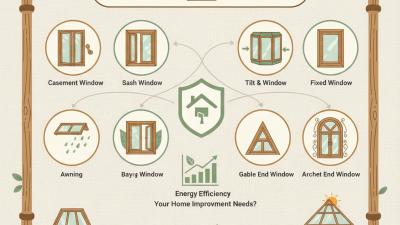
Timber Window Types and Their Characteristics
Energy Efficiency Ratings: Why They Matter for Timber Windows
When selecting timber windows, energy efficiency ratings play a crucial role. These ratings indicate how well windows can insulate your home. High-rated windows reduce heat loss in winter and keep your home cool in summer. This helps you save on energy bills, making them a smart investment.
Many homeowners overlook the importance of these ratings. They focus on design and cost. However, understanding energy efficiency can prevent future regrets. Selecting windows with good ratings may cost more upfront but will deliver value over time. Consider thermal performance, represented by U-values. A lower U-value indicates better insulation.
Lastly, remember that even with the best ratings, installation matters. Improperly installed windows can compromise efficiency. Research local professionals to ensure quality installation. Look for credentials and reviews. This way, you enhance the benefits of your energy-efficient windows.
The Importance of Sustainable Sourcing in Timber Window Selection
Choosing timber windows for your home involves careful consideration of sustainable sourcing. The focus on environmentally friendly materials has grown in the construction industry. According to a 2022 industry report, nearly 73% of homeowners prioritize sustainability when selecting materials. This statistic underscores the importance of ensuring that your timber is sourced responsibly.
Sustainable timber comes from forests that are managed ethically. Many certification programs, such as FSC or PEFC, ensure that the wood you choose is harvested in a way that protects the environment. It is essential to check these certifications when selecting timber windows. Not all woods are equal; some can contribute to deforestation. Engaging with suppliers who practice transparency can lead you to better choices.
Here are some tips for selecting sustainable timber windows. First, ask about the origin of the timber. It should come from well-managed forests. Second, consider the lifecycle of the windows. High-quality windows can last decades, reducing waste. Lastly, assess the thermal performance of the timber. Better insulation reduces energy costs and environmental impact. While beauty and aesthetics are vital, the sustainability of your choice should not be overlooked. A balance is crucial for responsible home improvement.
2026 How to Choose the Best Timber Windows for Your Home? - The Importance of Sustainable Sourcing in Timber Window Selection
| Aspect |
Description |
Importance |
| Material Type |
Consider woods like oak, pine, or walnut for their durability. |
Essential for longevity and ease of maintenance. |
| Sourcing |
Opt for sustainably sourced timber from certified forests. |
Reduces environmental impact and supports conservation. |
| Finish |
Choose finishes that protect against weather and enhance aesthetics. |
Improves durability and visual appeal. |
| Energy Efficiency |
Look for windows with good insulation ratings. |
Helps reduce energy bills and increases comfort. |
| Aesthetic Value |
Select designs that match your home’s architectural style. |
Enhances the overall look of the property. |
Maintenance Considerations for Long-Lasting Timber Windows
When it comes to timber windows, maintenance is crucial for longevity. Regular care can prevent common issues like rot and warping. Examine the frames for signs of wear every season. Look for cracks or splinters. These flaws can lead to greater problems if ignored.
Cleaning your timber windows is simple but effective. Use a soft cloth and mild detergent to remove dirt. Avoid harsh chemicals that can damage the wood. After cleaning, inspect the seals and weather stripping. Replacing these can help with energy efficiency and prevent moisture penetration.
Another maintenance tip is to apply a protective sealant every few years. This helps to shield the wood from harsh weather. Remember, timber windows can be sensitive to extreme temperatures. Over time, timber may shrink or swell. Regular maintenance allows you to address these changes before they become serious issues. Simple upkeep can ensure your timber windows remain beautiful and functional for decades.