Why Are Three Proofing Windows Essential for Energy Efficiency?
In today's world, energy efficiency is vital for sustainable living. Homeowners seek effective solutions to reduce energy consumption. One effective option is the installation of Three Proofing Windows. These windows provide enhanced insulation, keeping heat in during winter and blocking heat during summer.
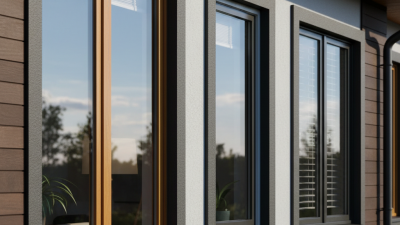
The design of Three Proofing Windows allows for better soundproofing and protection against external elements. With proper sealing, they minimize drafts and prevent air leakage, contributing to lower energy bills. Each layer of these windows plays a significant role in thermal performance.
However, not all products on the market meet high standards. Homeowners should be cautious and informed when selecting windows. It’s essential to consider the quality of materials used and the installation process. A poorly fitted window can negate the benefits of energy efficiency. As you explore options, reflect on your needs and the long-term benefits of investing in Three Proofing Windows.
The Importance of Triple Glazing in Energy-Efficient Windows
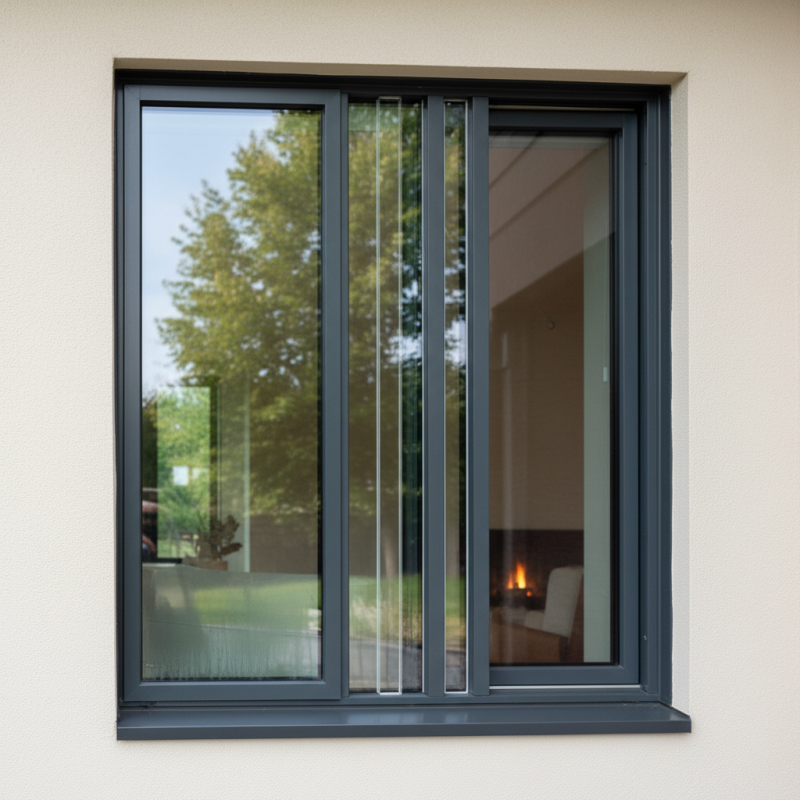
Triple glazing has emerged as a significant advancement in energy-efficient window technology. With three insulating layers, these windows trap more heat compared to single or double glazing. This design helps to maintain indoor temperatures, reducing heating costs by up to 15%. A study by the National Renewable Energy Laboratory (NREL) indicates that buildings with triple-glazed windows can achieve a 30% reduction in energy consumption.
In colder climates, triple glazing provides exceptional insulation. The air gap between the panes creates an effective barrier against frost and chill. According to the Canadian Institute for Climate Choices, homes upgraded to triple glazing reported noticeable comfort improvements. Cold drafts are reduced, leading to a cozier living environment.
However, while the energy efficiency is clear, the installation and cost can be barriers. Triple-glazed windows are heavier and more expensive than standard options. Some homeowners hesitate at the higher upfront investment. The long-term savings can be overlooked. It’s essential to consider both the economic and environmental impacts of your choices. Balancing initial costs with future savings is crucial for informed decisions.
Comparative Analysis of Energy Loss: Double vs. Triple Glazed Windows
Triple glazed windows are becoming increasingly popular for their energy efficiency. The main difference lies in the number of panes. While double glazed windows consist of two panes, triple glazed windows add another layer. This design creates an additional barrier against heat loss.
A comparative analysis reveals significant energy savings with triple glazing. Studies show they can reduce energy loss by up to 30% compared to double glazing. This can lead to lower heating bills, especially in colder climates. The extra pane also helps in noise reduction. However, they can be heavier and more expensive to install.
Homeowners should consider their specific needs. While the initial cost is higher, the long-term benefits can be substantial. Not all homes may require triple glazing. For some, double glazing might suffice. Balancing upfront expenses with future savings can be challenging. Overall, evaluating your climate and needs is crucial before deciding.
Why Are Three Proofing Windows Essential for Energy Efficiency? - Comparative Analysis of Energy Loss: Double vs. Triple Glazed Windows
| Window Type |
Number of Glazing |
U-Value (W/m²K) |
Energy Loss (kWh/year) |
Average Cost ($) |
| Single Glazed |
1 |
5.0 |
2500 |
150 |
| Double Glazed |
2 |
2.5 |
1500 |
300 |
| Triple Glazed |
3 |
1.0 |
800 |
500 |
Understanding U-Values: Measuring Insulation Effectiveness in Windows
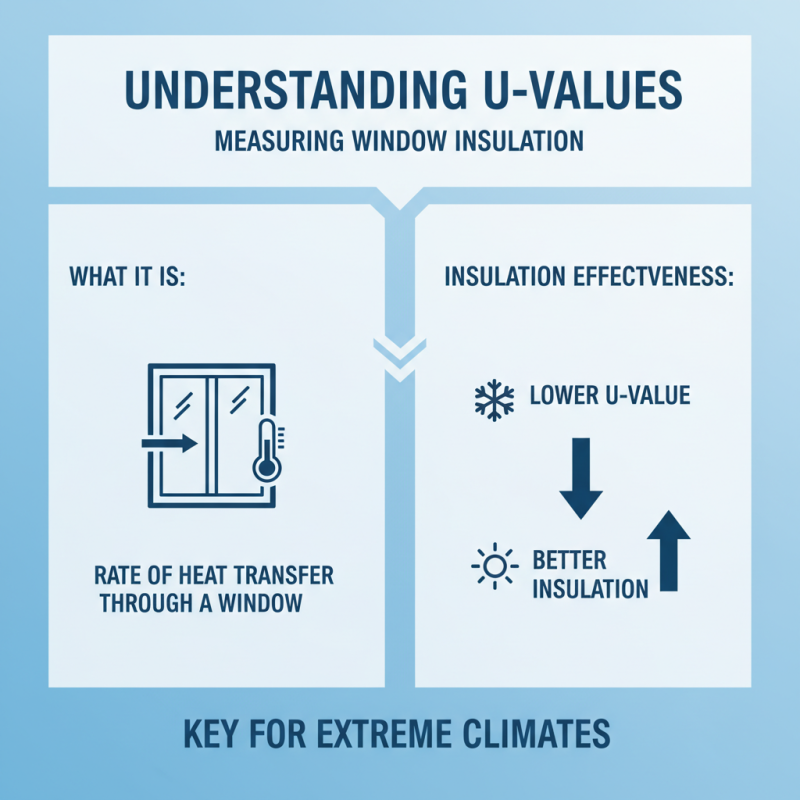
When considering energy efficiency, the U-value of windows plays a crucial role. The U-value measures the rate of heat transfer through a window. A lower U-value indicates better insulation performance. This is particularly important for homes in climates with extreme temperatures.
Windows with three layers offer superior insulation compared to single or double-glazed options. Each layer creates air spaces that reduce heat loss or gain. These layers work together to minimize energy use, keeping homes warmer in winter and cooler in summer. However, manufacturers often overlook other factors impacting performance, such as frame materials and installation quality.
Investing in three proofing windows can enhance comfort and reduce energy bills. Homeowners may expect instant results. However, the benefits are usually gradual. The initial cost may feel daunting, but the long-term savings often justify the expense. Evaluating the overall effectiveness of insulation in windows is essential. Be mindful of the installation process and local climate conditions, as these factors can influence performance outcomes.
Impact of Triple Glazing on Heating and Cooling Costs in Homes
Triple glazing is increasingly recognized for its significant impact on heating and cooling costs in homes. According to a report from the Lawrence Berkeley National Laboratory, triple glazing can reduce energy bills by up to 30%. This is primarily due to its enhanced thermal insulation. By providing three panes instead of one or two, triple-glazed windows minimize heat transfer, keeping homes warmer in winter and cooler in summer.
A study by the Department of Energy found that homes with triple-glazed windows can achieve a heating savings of 10% to 20% compared to those with double glazing. In cooling, the savings can be up to 15% in hot climates. This is particularly important as energy costs rise. Investing in triple-glazed windows may have higher upfront costs, but the long-term savings and comfort they provide can outweigh the initial investment.
Tip: When considering windows, look for low U-values. A lower U-value means better insulation and energy efficiency. Also, consider factors like installation quality. Even the best windows won’t perform well if poorly installed. Remember to explore local incentives; many areas offer rebates for energy-efficient upgrades.
Benefits of Triple Glazed Windows for Noise Reduction and Comfort Levels
Triple glazed windows have become a popular choice for homeowners aiming for energy efficiency and enhanced comfort. According to a study by the National Fenestration Rating Council, triple glazing can reduce energy loss by up to 50% in colder climates. This significant reduction is achieved through the three layers of glass, which create multiple air pockets. These air pockets act as insulation, minimizing heat transfer.
Noise reduction is another crucial benefit of triple glazed windows. Research from the University of Salford indicates that triple glazing can lower outdoor noise by as much as 30%. In urban areas, this can lead to a noticeable improvement in indoor comfort levels. Families can enjoy quieter evenings without disturbances from traffic or construction. However, it is essential to consider proper installation for maximum effectiveness. Poorly fitted windows can lead to increased noise infiltration and reduced energy efficiency.
While triple glazed windows offer considerable advantages, they also present challenges. The initial cost can be significantly higher than double glazing options, making them less accessible for some homeowners. Additionally, the added weight requires stronger frames, which can complicate installation. Careful consideration of these factors is necessary, but the long-term benefits of energy savings and comfort may outweigh these initial drawbacks.