Timber Windows Top Tips for Global Buyers You Need to Know?
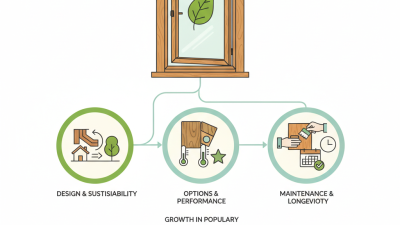
When considering Timber Windows for your home, it’s crucial to gather the right knowledge. These windows offer various aesthetic and practical benefits. Sustainability is at the forefront of timber’s appeal, as it is a renewable resource. Choosing the right type of wood can enhance insulation and minimize energy costs.
However, global buyers often face challenges. Understanding quality standards can be difficult, as they vary widely. Some timber options may not withstand harsh climates. Making informed decisions can prevent costly mistakes. Buyers should seek reliable suppliers who provide clear certifications of their products.
Research is essential in this process. Engaging with experts and reading reviews can build confidence. Gather insights from industry professionals to understand different wood types. Do not rush the decision, as each choice reflects on your home’s long-term aesthetics and performance. Embracing Timber Windows can elevate your space if done thoughtfully.

Understanding the Benefits of Timber Windows for Global Buyers
Timber windows offer numerous advantages for buyers worldwide. They provide
aesthetic charm and enhanced durability. The natural insulation provided by timber can save energy and reduce costs.
Moreover, timber windows can increase property value over time, making them a
worthwhile investment.
When choosing timber windows, consider local climate conditions. Different wood types perform better in varying environments.
For instance, softer woods may warp in humid areas. On the other hand, hardwoods are more resilient and suited for harsher climates.
Conduct thorough research on regional recommendations.
Regular maintenance is vital for longevity. Ensure you apply protective coatings to prevent weather damage.
Inspect seals and frames for signs of wear. Addressing issues early can save you from costly repairs later.
Understanding the care needed for timber windows will keep them looking great for years.
Key Considerations When Choosing Timber Window Suppliers Worldwide
When selecting timber window suppliers globally, several key factors must be considered. Quality and sustainability are paramount. A study by the Forest Stewardship Council indicates that 30% of timber consumed globally is sourced unsustainably. Opting for suppliers certified by trusted environmental organizations can help in making responsible choices.
Another significant aspect is the supplier's experience in the market. According to a report by the Timber Research and Development Association, suppliers with over a decade of experience tend to offer higher-quality products and better warranties. Their expertise can guide buyers in selecting the most suitable types of timber for various climates and styles, eliminating common pitfalls.
Pricing and lead times also play critical roles in decision-making. A recent survey revealed that about 40% of buyers reported delays due to poorly managed supply chains. Potential buyers should ask for clarity on delivery schedules and be wary of unusually low-priced options, as they may compromise quality. Ultimately, thoughtful consideration of these elements will lead to more informed choices when purchasing timber windows globally.
Timber Windows Top Tips for Global Buyers You Need to Know
| Attribute |
Considerations |
Importance Level |
| Wood Type |
Different types of timber (e.g., hardwood vs softwood) offer varying durability and aesthetics. |
High |
| Insulation Properties |
Consider energy efficiency and thermal insulation ratings to minimize energy costs. |
High |
| Supplier Reputation |
Research reviews and past performance of suppliers to ensure quality and reliability. |
Medium |
| Customization Options |
Look for suppliers who offer customized solutions to fit your specific design needs. |
Medium |
| Sustainability Practices |
Choose suppliers that source timber from sustainable forests to reduce environmental impact. |
High |
| Industry Standards Compliance |
Ensure products comply with local regulations and standards for safety and performance. |
Critical |
Evaluating Timber Quality: What Global Buyers Should Look For
When evaluating timber quality, global buyers must consider several key factors. The moisture content of the timber is critical. Ideally, it should be between 6% and 12% for optimal performance. Research by the Forest Products Laboratory indicates that excessive moisture can lead to warping, decay, or insect infestation. This leads to costly repairs or replacement.
Another essential factor is the grade of the timber. Buyers should familiarize themselves with grading standards applicable in their regions. A study from the American Wood Council mentions that higher-grade timber generally offers better durability and strength. Consider the appearance as well; visible knots or irregularities can indicate defects that might compromise structural integrity.
Buyers should also focus on certifications. Timber sourced from sustainably managed forests is more reliable. The Forest Stewardship Council (FSC) provides important certification, reflecting adherence to environmental standards. While these certifications often come at a premium, they ensure long-term value and eco-friendliness. Buyers should reflect on past experiences. Have they compromised quality for cost? Quality timber is an investment, not just a purchase.
Essential Maintenance Tips for Timber Windows Across Different Climates
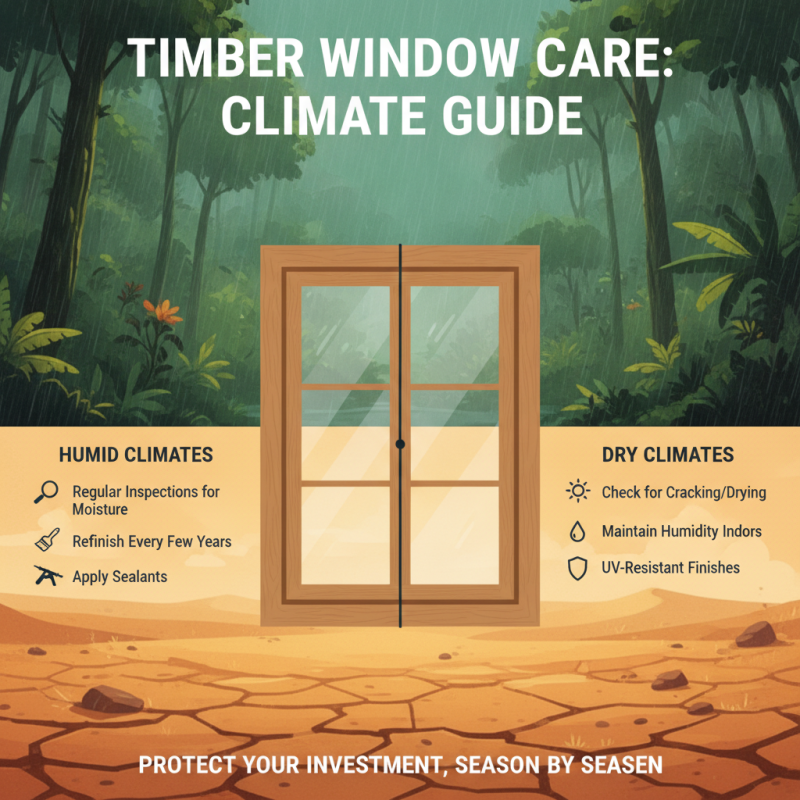
When considering timber windows, maintenance differs greatly across climates. In humid areas, wood can swell and warp. This means regular inspections are vital. Look for signs of moisture damage. Refinish your windows every few years to protect against mold and rot. Additionally, applying sealants can help maintain structural integrity.
In contrast, dry climates pose their own challenges. Timber can shrink and crack in the intense heat. Regularly check for signs of dryness, like splitting or fading paint. A good solution is to use a humidifier indoors. This helps maintain moisture levels. Proper ventilation in these conditions is equally important.
Extreme weather conditions can wear down timber windows quickly. You might consider additional weatherproofing measures. Heavy-duty caulking around frames protects against harsh elements. Be mindful that maintenance routines can vary significantly based on geographic location. Ultimately, the performance of timber windows hinges on proactive care and awareness of environmental factors.
Sustainability and Timber Windows: Making Eco-Friendly Choices as a Buyer
When considering timber windows, sustainability is key for eco-conscious buyers. Approximately 30% of global greenhouse gas emissions come from buildings. Therefore, choosing sustainable materials impacts both climate change and energy efficiency.
Tip: Look for windows certified by reputable sustainability standards. These certifications ensure that timber is sourced responsibly. Such windows often perform better in reducing energy usage, leading to lower utility bills.
Not all timber options are equal. Understanding the lifecycle of timber from harvest to installation is crucial. Research shows that well-managed forests can sequester carbon. However, poor practices lead to deforestation and habitat loss.
Tip: Ask your supplier about the origin of the timber. Transparency in sourcing builds trust and accountability. Additionally, consider locally sourced timber. This choice reduces transportation emissions and supports local economies while enhancing sustainability.
Balancing aesthetics with eco-friendliness can be tricky. Quality timber windows should last long, reducing the need for replacements. While initial costs may be higher, the long-term benefits are significant. Well-chosen timber windows can decrease overall carbon footprints and enhance energy efficiency.