Top Tips for Choosing Residential Windows for Your Home?
Choosing the right residential windows can significantly impact both aesthetics and energy efficiency. John Smith, a specialist in the residential window industry, emphasizes, "The right window choice transforms a home’s appearance and utility." Understanding the various options available is crucial for homeowners. Residential windows come in various styles, materials, and technologies designed to meet different needs.
When selecting residential windows, consider elements such as insulation, durability, and maintenance. Choosing windows that align with your climate can enhance comfort. Many overlook the importance of proper installation. Even the best windows can underperform if not installed correctly. It’s vital to seek professional advice and explore local options.
Investing time in research pays off. The right residential windows not only enhance visual appeal but also durability and energy efficiency. Yet, many homeowners rush this decision, leading to regrets later. Take the time to evaluate what fits your home best. This choice is not just an expense; it’s an investment in your home’s future.
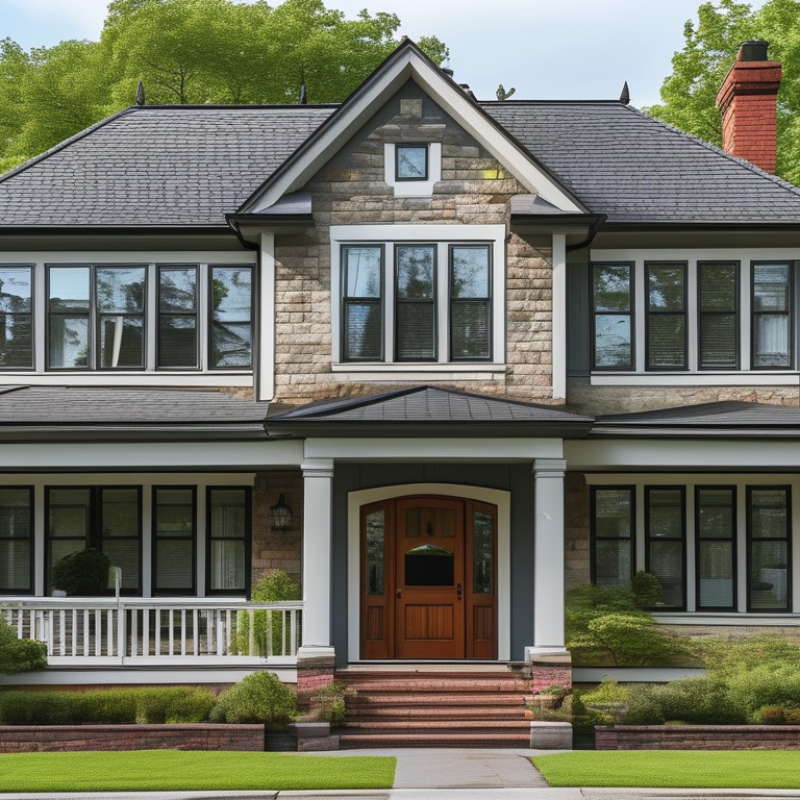
Factors to Consider When Selecting Residential Windows
Choosing the right residential windows for your home involves several critical factors. One important aspect to consider is the climate. Different materials, such as vinyl or wood, perform differently under varying weather conditions. For areas with high humidity, vinyl might be a better choice due to its moisture resistance.
Another vital factor is energy efficiency. Look for windows with a high Energy Star rating. They can significantly reduce energy costs. Double or triple glazing helps in insulation, keeping your home warm in winter and cool in summer. This is essential for comfort and cost savings.
When selecting windows, don’t forget about style. Your choice should complement your home's architecture. Consider the size, shape, and color. A mismatched style can detract from your home’s appeal. Consult with a professional if you're unsure.
Also, think about maintenance. Some materials require more upkeep than others. If you prefer low-maintenance options, vinyl is generally easier to clean and care for than wood. Take the time to assess your preferences. Making the right choice is more than just aesthetics; it's about functionality too.
Top Tips for Choosing Residential Windows for Your Home
| Factor |
Description |
Importance |
| Material |
Choose between wood, vinyl, aluminum, or fiberglass based on durability and maintenance. |
High |
| Energy Efficiency |
Look for windows with high energy ratings to reduce heating and cooling costs. |
Critical |
| Style |
Select a style that complements the architectural design of your home. |
Moderate |
| Window Type |
Choose from casement, double-hung, sliding, or fixed windows based on your needs. |
High |
| Cost |
Consider your budget while ensuring you invest in quality windows. |
Moderate |
| Warranty |
Check for warranties that cover both the product and installation for peace of mind. |
High |
| Installation |
Ensure proper installation by hiring experienced professionals to avoid issues later. |
Critical |
Different Types of Window Materials and Their Benefits
When selecting residential windows, the choice of materials plays a crucial role. Different materials offer unique benefits and drawbacks. For instance, vinyl is widely known for its durability. According to the National Association of Home Builders, more than 60% of homeowners prefer vinyl windows due to their energy efficiency and low maintenance. However, they can sometimes lack in aesthetic appeal compared to wood.
Wood windows provide a classic look and can be customized easily. They offer excellent insulation properties. However, wood requires regular maintenance to prevent rot and insect damage. A study by the American Architectural Manufacturers Association indicates that wood frames can last up to 30 years with proper care. This longevity can justify the higher initial investment.
Aluminum windows offer a sleek, modern appearance and are strong. They resist corrosion and require little upkeep. Yet, aluminum isn’t the best insulator, which can lead to higher energy costs. Homeowners may face challenges in balancing aesthetics and functionality. Each material has its strengths, and understanding these nuances is vital for making an informed choice.
Energy Efficiency Ratings and Their Importance
When selecting residential windows, understanding energy efficiency ratings is crucial. These ratings determine the window's ability to insulate your home and reduce energy consumption. According to the U.S. Department of Energy, windows can account for 25-30% of a home's heating and cooling energy use. High-efficiency windows can significantly lower these costs.
Energy efficiency ratings, such as the U-factor and Solar Heat Gain Coefficient (SHGC), provide essential insights. The U-factor measures heat transfer and energy loss. A lower U-factor indicates better insulation. The SHGC assesses how much solar heat passes through a window. Windows with a low SHGC are ideal for hot climates, while higher ratings suit colder areas. Consulting the National Fenestration Rating Council can improve your choices.
Additionally, while energy efficiency is important, it is not the only factor. Aesthetics, local climate, and specific home needs should be considered. Not every high-efficiency window works for every home. Reflect on your priorities. Balancing energy efficiency with design and functionality can lead to better decision-making. It's vital to ask questions and seek expert opinions based on your unique circumstances.
Energy Efficiency Ratings of Residential Windows
Design and Aesthetic Considerations for Your Home
Choosing the right windows for your home is crucial for both design and functionality. A study by the Window and Door Manufacturers Association revealed that windows account for 30% of a building's energy loss. Therefore, selecting the right style can enhance not only the aesthetic appeal but also the home's overall energy efficiency.
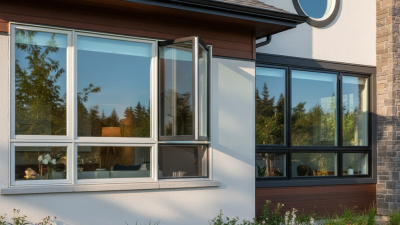
When considering window design, the architectural style of your home plays a significant role. For traditional homes, double-hung windows may fit best, while modern structures often benefit from sleek casement windows. Color and finish are key; a neutral palette can seamlessly blend your windows with the exterior. Energy Star notes that window frames in light shades can reflect heat, assisting in temperature control during summer.
However, it's easy to overlook practical aspects while focusing on aesthetics. Choosing decorative grids might compromise visibility. Also, opting for overly large windows without considering privacy can be disappointing. Thus, balance is essential. While creating a stunning design, ensure your windows meet functional needs too. Always remember to consider both beauty and practicality when making your choice.
Budgeting for Window Replacement: Costs and Financing Options
Budgeting for window replacement is a crucial step for homeowners. Costs can vary widely based on materials, sizes, and installation requirements. Basic vinyl windows might cost less but may not offer the same energy efficiency as wood or fiberglass options. It's important to assess the long-term savings that high-quality windows can bring through reduced energy bills.
Financing options can also make a big difference. Some homeowners may not have the upfront cash for a full replacement. Personal loans, credit options, and even energy efficiency programs can ease financial strain. However, understanding the total cost, including interest, is vital. It's easy to overlook long-term expenses when tempted by immediate affordability.
Careful planning is essential. An accurate budget helps avoid unforeseen costs. Remember to factor in potential hidden expenses, such as repairs or modifications needed for older homes. It's a process that could lead to disappointments. Keeping track of every detail can help you stay on target. Balancing quality, cost, and financing will ultimately benefit your home in the long run.