Top 10 Tips for Choosing the Best Casement Windows for Your Home
When it comes to enhancing the aesthetic appeal and functionality of your home, the choice of windows is paramount. Casement windows, known for their versatility and energy efficiency, are increasingly favored by homeowners looking to maximize natural light and ventilation. According to industry expert John Thompson, a leading consultant in window design, "The right casement windows can elevate your home's design while providing the practical benefits of improved airflow and thermal performance."
As you embark on the journey of selecting the perfect casement windows for your dwelling, it is essential to consider various factors, including style, material, and functionality. With so many options available in today’s market, making informed choices can significantly impact both the comfort of your living space and the value of your property. This guide aims to equip you with the top tips for navigating the myriad of choices, ensuring that you find the ideal casement windows that complement your home’s architectural style and meet your individual needs.
Understanding Casement Windows: Features and Benefits
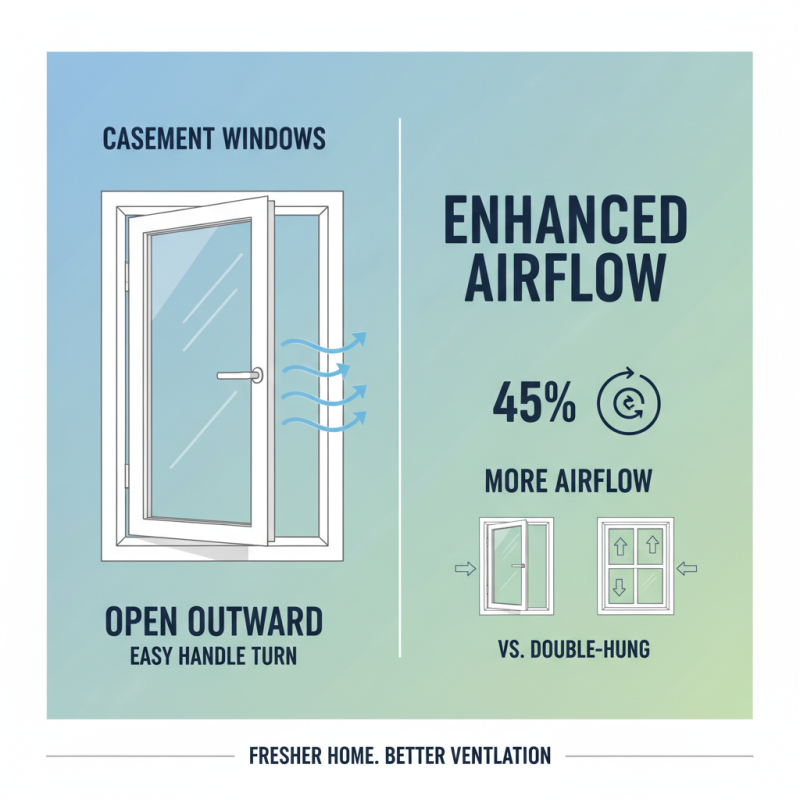
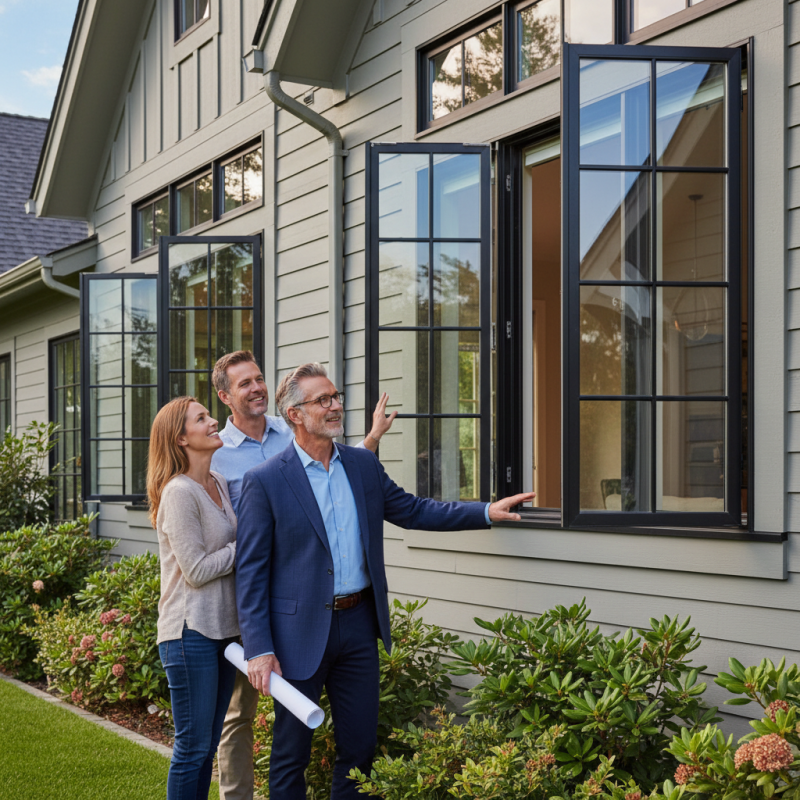
Casement windows are a popular choice among homeowners due to their unique functionality and aesthetic appeal. Unlike traditional sliding windows, casement windows are hinged on one side and open outward with the turn of a handle. This design offers advantages in terms of ventilation; studies indicate that casement windows can achieve up to 45% more air flow compared to double-hung windows, making them an excellent option for enhancing a home's air circulation.
When selecting the ideal casement windows for your home, it's crucial to consider energy efficiency. According to the U.S. Department of Energy, installing energy-efficient windows can save homeowners an average of 12% to 34% on their energy bills. Look for windows with a high Energy Star rating and low U-factor, as these specifications indicate superior insulation properties. In addition to their thermal benefits, casement windows can also maximize natural light due to their larger glass surface area.
As you explore your options, keep in mind that choosing the right material can impact both performance and aesthetics. Vinyl, wood, and fiberglass are common materials, each offering distinct advantages such as durability, maintenance ease, or elegant appearance. Remember to consider the local climate and the architectural style of your home to ensure your casement windows not only perform effectively but also harmonize with your overall design vision.
Evaluating Energy Efficiency Ratings for Casement Windows
When choosing casement windows for your home, energy efficiency ratings play a crucial role in making an informed decision. These ratings indicate how well a window can prevent heat transfer, which ultimately affects your home’s heating and cooling costs. Look for windows that are certified by reputable energy efficiency programs, which provide a standardized measure of performance. Energy Star ratings are common indicators that show compliance with energy efficiency guidelines, ensuring that you select windows that significantly reduce energy consumption.
Another important aspect to consider is the U-factor and solar heat gain coefficient (SHGC) of the windows. The U-factor measures the rate of heat transfer; lower values indicate better insulating properties. In areas with harsh winters, a low U-factor is vital to minimize heat loss. Conversely, the SHGC measures how much solar heat is absorbed. Depending on your climate, you may want higher or lower SHGC ratings to optimize natural heating. By carefully evaluating these ratings, you can choose casement windows that not only enhance your home’s aesthetics but also contribute to long-term energy savings and comfort.
Top 10 Tips for Choosing the Best Casement Windows for Your Home - Evaluating Energy Efficiency Ratings for Casement Windows
| Tip |
Description |
Energy Efficiency Rating (U-Value) |
Solar Heat Gain Coefficient (SHGC) |
Air Leakage Rate |
| 1. Check Energy Ratings |
Review the energy ratings for efficiency. |
0.30 |
0.25 |
0.1 |
| 2. Look for Double or Triple Glazing |
Opt for windows with multiple glazing for better insulation. |
0.26 |
0.20 |
0.05 |
| 3. Choose Low-E Coatings |
Select windows with low emissivity coatings to minimize heat transfer. |
0.24 |
0.22 |
0.07 |
| 4. Inspect Frame Materials |
Consider frame materials that offer good insulation. |
0.29 |
0.30 |
0.08 |
| 5. Evaluate the Energy Star Label |
Look for the Energy Star label to ensure energy efficiency. |
0.27 |
0.21 |
0.06 |
| 6. Consider Thermal Break Technology |
Select windows with thermal breaks to reduce heat flow. |
0.25 |
0.23 |
0.05 |
| 7. Assess Installation Quality |
Ensure professional installation to avoid air leaks. |
0.28 |
0.19 |
0.05 |
| 8. Check for Warranty |
Look for a good warranty to protect your investment. |
0.23 |
0.24 |
0.06 |
| 9. Understand Local Climate |
Choose windows based on your local weather conditions. |
0.29 |
0.26 |
0.04 |
| 10. Compare Multiple Options |
Evaluate different windows to find the best features for your needs. |
0.22 |
0.22 |
0.05 |
Choosing the Right Materials for Durability and Aesthetics
When choosing casement windows, the right materials play a crucial role in ensuring both durability and aesthetics. According to the American Architectural Manufacturers Association (AAMA), windows made from high-quality materials can significantly enhance a home's energy efficiency and longevity. For instance, fiberglass frames have gained popularity due to their ability to resist warping and maintaining structural integrity in extreme weather conditions. A study by the Window and Door Manufacturers Association (WDMA) indicates that fiberglass windows can last up to 38% longer than traditional materials like wood and vinyl when exposed to harsh elements.
In terms of aesthetics, various materials can be tailored to fit different architectural styles and personal preferences. Aluminum-clad wood windows offer a blend of classic beauty with modern performance, giving homeowners the warmth of wood on the inside and low-maintenance durability on the outside. Research from the National Fenestration Rating Council (NFRC) highlights that the choice of window material can also influence energy ratings, with well-insulated frames contributing to lower heating and cooling costs by up to 15%. This means that when selecting casement windows, not only is it essential to consider the longevity of the material, but homeowners should also factor in how these choices will harmonize with their home’s overall design while providing significant energy savings.
Measuring Your Window Openings for Perfect Fit
When it comes to selecting the best casement windows for your home, precise measurements of your window openings are crucial to ensure a perfect fit. According to the American Architectural Manufacturers Association, improper window sizing is one of the leading causes of installation issues, which can lead to decreased energy efficiency and potential water infiltration. To avoid these pitfalls, it is essential to accurately assess the dimensions of each window opening, accounting for factors such as framing, sill level, and any existing obstructions.
Begin by measuring the width at both the top and bottom of the window opening, as well as the height on both sides. It is advisable to take multiple measurements to capture any variations that may exist due to settling or other structural factors. The smallest width and height measurements should be used when ordering your windows. Furthermore, the National Fenestration Rating Council suggests that homeowners consider the profile of the casement window when measuring, as this can affect both aesthetic appeal and functional performance.
For instance, casement windows typically have a pivot hinge that may require additional space, impacting how they open and close. By following these procedures, you can ensure that your new casement windows will perform optimally and enhance the comfort of your living space.
Exploring Installation Options: DIY vs. Professional Installation
When considering the installation of casement windows in your home, one critical decision is whether to opt for DIY installation or hire a professional. According to a 2021 report by the National Association of Realtors, nearly 60% of homeowners reported that DIY projects resulted in a sense of achievement along with cost savings, with an average savings of about 20% compared to professional services. However, while the allure of a DIY project may be tempting, it requires a careful assessment of your skills and the complexity of the installation involved.
Professional installation is often recommended for casement windows due to the precision required in ensuring proper sealing and structural integrity. A study by Remodeling Magazine in 2020 highlighted that homeowners choosing professional installation saw an increased energy efficiency of about 15%, as properly installed windows mitigate drafts and reduce heating and cooling costs. Additionally, experienced installers can navigate local building codes and regulations more effectively, ensuring that your installation complies with all necessary standards. Ultimately, choosing between DIY and professional installation hinges on your confidence in handling the project and the level of quality one desires from the final result.