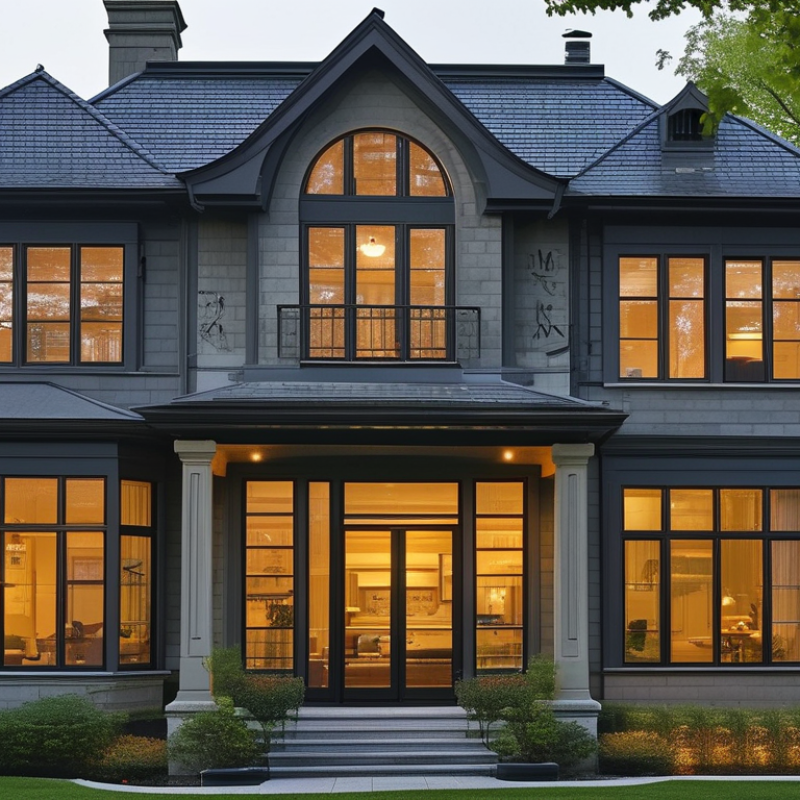
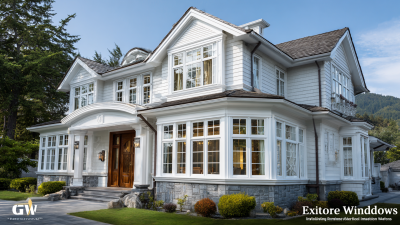
Choosing the right Exterior Windows can change how a home feels, performs, and ages. A bright living room, a quiet bedroom, or a drafty hallway may depend on one decision: window design.
Dr. Joseph Lstiburek, a respected building scientist, once described the issue simply: “A window is a hole in the wall.” That short observation deserves attention. Every opening affects heat transfer, ventilation, daylight, moisture control, and security. The frame, glass package, installation method, and local climate must work together.
This guide examines the top 10 types of Exterior Windows, including casement, double-hung, sliding, awning, bay, bow, picture, hopper, specialty, and roof windows. Each type offers practical strengths. Each also has limitations.
Casement windows can catch a breeze. Picture windows provide wide views. Double-hung designs suit traditional rooms and allow flexible ventilation. Yet no style is automatically best. A large glass area may create glare or summer heat. A beautiful bay window may require careful structural planning.
Details matter. Check the window’s U-factor, solar heat gain coefficient, air leakage rating, and water resistance. Also examine the wall orientation and the installer’s experience. Small gaps around a frame can cause noticeable drafts.
Some recommendations remain uncertain. Product quality varies. Installation errors can defeat expensive materials. This overview provides a useful starting point, but thoughtful comparison is still necessary. The ideal window should fit the building, the climate, and the people using the space every day.
An exterior window type is defined by more than its shape. It includes how the sash moves, how the frame meets the wall, and how the unit manages rain, air, sunlight, and heat. The ten common types include casement, awning, sliding, double-hung, single-hung, fixed, picture, bay, bow, and hopper windows. Each serves a different practical purpose. Casement windows open outward with strong ventilation. Sliding windows move horizontally and suit wider openings. Fixed and picture windows provide daylight without ventilation.
Frame material, glass design, opening direction, and installation method also influence performance. A bay window projects outward, while a bow window creates a softer curved profile. These differences affect structure, cleaning access, furniture placement, and exterior drainage. A window may look attractive but perform poorly if flashing is incomplete or the sill cannot shed water. That detail is easy to overlook.
The Ten Main Types: Fixed, Single-Hung, Double-Hung, and Sliding Windows
Exterior windows influence daylight, ventilation, comfort, and the character of a building. Among the ten main types, fixed, single-hung, double-hung, and sliding windows remain practical choices. Each design solves a different problem.
Fixed windows contain no moving sash, so they provide clear views and strong weather resistance. They work well beside operable windows or in tall stairwell openings. However, they cannot provide ventilation. That limitation matters in warm rooms. Single-hung windows have one movable lower sash and one fixed upper sash. They offer simple operation, moderate cost, and fewer mechanical parts. Their lower sash can open for fresh air, but cleaning the exterior upper glass may be difficult on higher floors.
Double-hung windows allow both sashes to move vertically. Opening the lower sash admits air, while opening the upper sash helps release rising heat. Tilt-in sashes can also simplify cleaning from inside. Still, the design may require more maintenance around balances, locks, and weather seals. Small details matter. A loose seal can create a noticeable draft during winter.
Sliding windows move horizontally along a track, making them useful beside patios, walkways, or furniture. They need no outward swing space and are easy to operate. Their tracks must stay free of grit and moisture. Otherwise, movement becomes rough. In real installations, accurate opening measurements are essential, especially for replacement work. I would not choose a window from appearance alone; wall exposure, drainage, ventilation needs, and cleaning access deserve equal attention. Sometimes the most attractive option is not the most practical one.
What Are the Top 10 Types of Exterior Windows?
This chart compares the typical number of movable sashes or panels found in common exterior window configurations. Fixed and picture windows have no movable parts, while bay and bow windows commonly combine multiple window units.
How to read the chart: A higher value generally indicates more movable window sections in a typical configuration, which can affect ventilation options, cleaning requirements, and operating complexity.
The Ten Main Types: Casement, Awning, Hopper, Picture, Bay, and Bow Windows
Exterior windows do more than frame a view.
They control daylight, airflow, weather exposure, and energy transfer. The U.S. Department of Energy estimates that windows can account for about 25–30% of residential heating and cooling energy use. That figure makes window selection a performance decision, not only a design choice.
Casement windows open outward with a strong ventilation path.
Awning windows hinge at the top, helping keep light rain outside.
Hopper windows hinge inward and suit basements or compact rooms.
Picture windows remain fixed, so they provide clear views but no ventilation.
Bay windows project outward with a central pane and angled side units.
Bow windows create a softer curve with several connected sections.
These six types differ in operation, drainage, cleaning access, and air leakage risk.
The broader ten-type list also includes single-hung, double-hung, sliding, and garden windows.
Double-hung units offer useful airflow through two movable sashes.
Sliding windows operate easily, though their horizontal tracks need regular cleaning.
Garden windows add shelf space but may increase heat exposure.
NFRC performance labels compare U-factor, solar heat gain coefficient, visible transmittance, and air leakage.
Lower U-factor usually means better insulation.
Still, ratings do not replace careful installation.
A well-rated window can perform poorly if flashing is incomplete or the frame is poorly sealed. That detail is easy to underestimate.
Selection should match the room, climate, wall orientation, and maintenance ability.
How the Ten Window Types Compare in Light, Ventilation, and Efficiency
Exterior windows differ sharply in daylight, airflow, and energy performance. Fixed windows usually deliver the clearest light and the lowest air leakage, but provide no ventilation. Single-hung and double-hung windows open vertically; double-hung units allow stronger cross-ventilation because both sashes move. Sliding windows offer broad views and simple operation, though their horizontal seals can limit airflow.
Casement windows open outward and often direct breezes into a room. Awning windows ventilate during light rain, while hopper windows work well in basements and compact spaces. Bay and bow windows extend daylight and create useful interior depth, but their larger frames can increase heat transfer. Pivot windows provide flexible airflow, although their hardware and seals require careful inspection. Glass-block windows diffuse sunlight and improve privacy, but ventilation is normally unavailable.
The U.S. Department of Energy estimates that windows account for about 25–30% of residential heating and cooling energy use. That makes frame quality, glazing, and installation as important as window style. The National Fenestration Rating Council evaluates U-factor, solar heat gain coefficient, and air leakage; lower U-factor generally means better insulation. Yet, ratings do not predict every room’s comfort. A sunny south-facing casement may overheat a space, while a shaded fixed window may perform efficiently. No chart settles every room. Local climate, orientation, shading, and user habits still deserve closer review. Sources: U.S. Department of Energy, Energy Saver; National Fenestration Rating Council technical guidance.
How to Choose, Install, and Maintain the Right Exterior Windows
Exterior windows affect daylight, ventilation, energy use, and the character of a home.
The ten common types include single-hung, double-hung, casement, awning, sliding, picture, bay, bow, hopper, and specialty geometric windows. Each operates differently. A casement window opens outward with a crank, while a picture window stays fixed and provides wide, uninterrupted views. Bay and bow windows add interior space, but their structures require careful support.
Choose according to climate, room function, wall space, and cleaning access. Double-hung windows suit bedrooms because both sashes can tilt inward. Awning windows help ventilate rooms during light rain. Hopper windows work well in basements, although emergency escape rules may limit their use.
Check local building requirements before ordering. Measure each opening in several places, since older walls are rarely perfectly square. I once trusted one measurement and created an expensive delay. That mistake still matters.
Installation depends on accurate shimming, a level sill, and continuous exterior flashing. The frame should remain plumb and square without force. Seal gaps with suitable backer material and low-expansion foam, not excessive filler. Water needs a path outward.
During maintenance, inspect caulk, drainage holes, locks, weatherstripping, and painted surfaces at least yearly. Clean tracks with a soft brush. Never block weep holes. Wood frames may need earlier repainting than expected, especially beside wet landscaping. Even a well-installed window can fail when neglected. Inspect after severe storms, and arrange qualified help when glass, structural damage, or upper-story access creates risk.