Leave Your Message

China Top 10 Wood Clad Windows Manufacturers?

China’s wood window industry has developed rapidly, combining engineered timber, exterior aluminum, and modern production systems. This guide introduces China’s Top 10 Wood Clad Windows manufacturers for buyers seeking durable, energy-efficient, and visually refined solutions.

The selection considers more than factory size or attractive product images. It examines manufacturing experience, timber sourcing, aluminum-cladding design, glass options, hardware quality, and customization capability. Evidence such as factory audits, project records, product testing, and export experience can reveal a supplier’s real strengths. A polished website cannot replace reliable performance.

Details matter. A well-built window should close smoothly, maintain consistent corner joints, and protect timber from rain exposure. Finishes should remain stable under sunlight and seasonal temperature changes. Thermal values, air tightness, water resistance, and acoustic performance also deserve careful comparison. Certification requirements may differ between China, Europe, North America, and other markets.

No ranking is perfect. Supplier information can change. Some manufacturers excel in standard sizes, while others perform better with large openings, curved frames, or heritage-style profiles. Buyers should request current test reports, installation guidance, warranty terms, and sample sections before signing a contract. That step often exposes hidden differences.

The following overview offers a practical starting point for architects, developers, distributors, and homeowners. It focuses on credible capabilities rather than exaggerated claims. Each company deserves independent verification, especially when projects involve demanding climates, strict building codes, or long-distance shipment. The right Wood Clad Windows partner should provide consistent quality, clear communication, and accountable after-sales support.
China Top 10 Wood Clad Windows Manufacturers?

What Are Wood-Clad Windows?

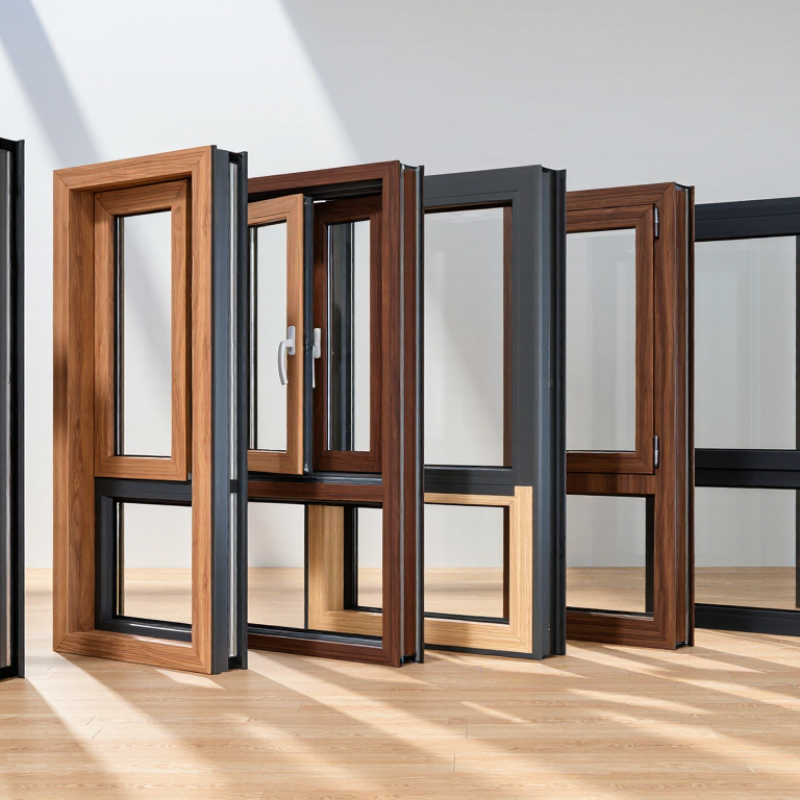
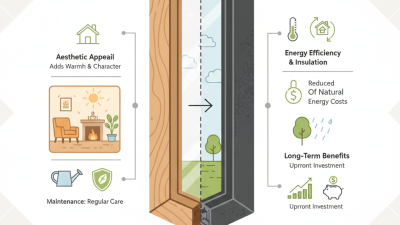
Wood-clad windows combine a warm wood interior with a protective exterior layer.

The inner wood provides natural texture, insulation, and a comfortable finish around the glass. The outer cladding usually uses aluminum, fiberglass, or durable polymer materials. It helps resist rain, ultraviolet exposure, and seasonal swelling.

This construction suits homeowners who want interior character without frequent exterior painting. However, “low maintenance” does not mean maintenance-free. Seams, drainage paths, and corner joints still need inspection.

The U.S. Department of Energy reports that windows can cause 25% to 30% of residential heating and cooling energy use. A well-designed wood-clad unit can reduce unwanted heat transfer, but performance depends on glazing, installation, orientation, and air sealing.

NFRC labels help compare U-factor and solar heat gain coefficient values. Lower U-factor generally means better insulation.

Tips:

Check the NFRC label, installation instructions, and warranty limits. Ask how the exterior cladding handles impact and water. Also inspect the wood finish samples in daylight. Color and grain often look different indoors.

ENERGY STAR research indicates that replacing clear single-pane windows with certified products can reduce household energy bills by about 7% to 15%, depending on climate and existing conditions. That figure is useful, not guaranteed.

A common mistake is choosing a beautiful frame while ignoring glass performance. I would also question vague claims about “premium durability.” The details matter more than the slogan.

How to Evaluate Wood-Clad Window Manufacturers

Choosing among the top 10 wood-clad window manufacturers requires more than comparing catalog photos. The U.S. Department of Energy reports that windows can cause 25–30% of residential heating and cooling energy use. Therefore, request NFRC-certified ratings for U-factor, solar heat gain coefficient, and visible transmittance. ENERGY STAR Version 7.0 also applies climate-specific performance requirements, so a strong result in one region may perform poorly elsewhere.

Examine the exterior cladding closely. Aluminum should include durable coatings, sealed joints, and clear drainage paths. Ask how the factory tests air leakage, water penetration, and structural pressure under AAMA/WDMA/CSA 101/I.S.2/A440 procedures. Review the published test reports, not only marketing claims. Small details matter, including sill angles, corner seals, and the quality of factory-applied finishes.

The wood interior deserves equal attention. Check species, moisture control, adhesive specifications, and finish-repair procedures. WDMA technical guidance supports evaluating wood windows through performance, water resistance, and quality-assurance requirements. Compare warranty terms for glass, cladding, finish, and installation separately. A long warranty means little without accessible service. I would also inspect completed projects after several winters. Brochures rarely show swollen joints or fading finishes. No evaluation is perfect. Local installers, exposure, and maintenance can change the outcome significantly.

China’s Top 10 Wood-Clad Window Manufacturers

China’s Top 10 Wood-Clad Window Manufacturers deserve evaluation beyond factory size or export volume.

A serious shortlist should examine timber sourcing, aluminum thickness, coating durability, glass performance, and after-sales records.

Practical procurement experience shows that moisture control often matters more than showroom appearance. Small drainage details can decide long-term performance.

The 2024 China Building Energy Consumption Annual Report estimates that building-related energy use remains a major share of national energy demand.

This strengthens the case for insulated frames, low-emissivity glass, and accurate installation. The International Energy Agency also reports that buildings account for about 30% of global energy demand.

Wood-clad windows can support efficiency, but only when thermal breaks and air seals are properly engineered. The material alone is not enough.

When comparing China’s leading ten manufacturers, buyers should request test reports under relevant Chinese, European, or North American standards.

Look for documented U-values, air leakage results, water penetration testing, and batch-level quality controls.

The China National Accreditation Service can help verify whether laboratory reports come from recognized facilities.

No ranking is flawless. Export awards may hide inconsistent installation support, while a smaller producer may offer stronger customization.

Factory visits, sample section checks, and reference-project interviews remain valuable.

Check the corners. Then check them again.

Key Products and Manufacturing Strengths

China Top 10 Wood Clad Windows Manufacturers: Key Products and Manufacturing Strengths

China’s leading wood clad window manufacturers usually offer casement, tilt-turn, lift-slide, and fixed units. Their core design combines interior timber with aluminum exterior protection. This structure preserves warmth indoors while resisting rain, ultraviolet exposure, and temperature changes. Typical timber options include oak, pine, and laminated larch. Factory-applied coatings create a smoother finish and reduce maintenance work.

Manufacturing strength often appears in process control. Computerized cutting improves joint accuracy, while vacuum pressing supports stable laminated frames. Many factories use insulated glass units, warm-edge spacers, multi-point locks, and hidden drainage channels. The U.S. Department of Energy reports that low-emissivity windows can reduce energy loss by 30% to 50% compared with ordinary glass. However, glass performance depends on the complete window system, not one component.

NFRC rating methods measure U-factor, solar heat gain, visible transmittance, and air leakage. These values help buyers compare products more reliably. Leading exporters also follow ISO 9001 quality systems and test resistance to wind, water, and repeated opening cycles. Some plants now produce passive-house-oriented frames with triple glazing and insulated cores. Production scale is impressive, but consistency still needs close inspection. Small coating defects can become visible after installation. Independent testing, moisture checks, and sample-based factory audits remain practical safeguards.

China Top 10 Wood Clad Windows Manufacturers? - Key Products and Manufacturing Strengths

Rank Manufacturer Code Primary Product Focus Typical Wood Species Cladding System Key Manufacturing Strength Common Glazing Options Typical Project Fit
1 Manufacturer A Premium wood-aluminum casement and tilt-and-turn windows Pine, larch, oak Exterior aluminum cap or clip-on aluminum shell High-precision CNC machining, laminated timber processing, and multi-coat finishing Double or triple insulating glass; low-emissivity and argon-filled units High-end residential and passive-house-oriented projects
2 Manufacturer B Wood-clad lift-and-slide doors and large glazed openings Pine, meranti, oak Thermally separated aluminum exterior profiles Large-format frame assembly, reinforced hardware preparation, and weather-sealing control Double or triple laminated safety glass Luxury villas, hotels, and projects requiring wide clear openings
3 Manufacturer C Energy-efficient wood-aluminum windows for cold climates Spruce, pine, larch Ventilated aluminum cladding with drainage channels Insulated frame design, controlled moisture content, and airtightness-focused assembly Triple glazing with warm-edge spacers and argon filling Cold-region housing and energy-saving renovation projects
4 Manufacturer D Customized wood-clad entrance doors and window systems Oak, walnut, meranti Powder-coated aluminum exterior face Made-to-order sizing, decorative detailing, and coordinated door-window production Insulating glass, laminated glass, and decorative glass options Custom residential façades and architect-designed developments
5 Manufacturer E Standardized wood-aluminum casement and awning windows Pine, spruce, larch Extruded aluminum cover profiles Scalable batch production, profile consistency, and cost-effective assembly Double glazing and standard triple-glazing configurations Mid-range housing, apartments, and commercial fit-outs
6 Manufacturer F Slim-profile wood-aluminum windows and fixed glazing Oak, ash, larch Minimal aluminum exterior frame with concealed drainage Narrow sightlines, concealed fittings, and precision profile alignment Large insulating glass units and solar-control glass Contemporary architecture and visually clean façades
7 Manufacturer G Wood-clad sliding, folding, and balcony door systems Pine, meranti, oak Aluminum exterior shell with reinforced door thresholds Hardware integration, door-load management, and threshold waterproofing Laminated safety glass and low-emissivity insulating glass Balconies, terraces, hospitality spaces, and garden rooms
8 Manufacturer H Fire-rated and acoustic wood-aluminum window assemblies Oak, larch, engineered softwood Aluminum protection layer over engineered timber frames Specialized sealing, laminated timber engineering, and performance-oriented testing preparation Acoustic laminated glass and fire-performance glazing where specified Hotels, offices, multi-family buildings, and high-traffic areas
9 Manufacturer I Traditional-style wood-clad windows and heritage replacements Oak, pine, meranti Shaped aluminum caps matched to traditional profiles Profile replication, muntin layouts, custom colors, and restoration-oriented detailing Slim double glazing and heritage-compatible insulating glass Historic buildings, conservation areas, and traditional-style homes
10 Manufacturer J Export-oriented wood-aluminum window and door packages Pine, spruce, larch Modular aluminum cladding with multiple surface finishes OEM customization, container-friendly packing, and coordinated quality inspection Double glazing, triple glazing, and laminated safety glass Overseas residential developments and distributor supply programs

Note: The manufacturer codes are anonymized identifiers. Product categories and manufacturing capabilities reflect established wood-clad window production practices; exact specifications, testing results, lead times, and certifications should be verified directly with each supplier.

How to Choose the Right Chinese Manufacturer

China Top 10 Wood Clad Windows Manufacturers: How to Choose the Right Chinese Manufacturer

Choosing among China’s top ten wood clad window manufacturers requires more than comparing online prices. A reliable supplier should explain its timber species, aluminum alloy, coating system, glass performance, and production tolerances. Ask for factory videos, quality records, and recent project references. Then verify them independently. Samples matter. A serious manufacturer should provide a working corner sample, not only polished photographs.

During factory evaluations, inspect wood moisture control, joint construction, drainage paths, and hardware installation. Moisture content near 10% to 12% is often suitable for interior-controlled production, but the correct range depends on the project and climate. Request test reports for air leakage, water resistance, wind pressure, and thermal performance. Confirm whether testing applies to the exact window configuration. A report for another model proves little.

Communication is equally important. Use detailed drawings with dimensions, opening directions, glass specifications, finishes, packaging requirements, and installation conditions. Confirm production lead times and replacement procedures in writing. My own early mistake was trusting a beautiful sample without checking packing quality. Several corners arrived damaged. That changed my view. A dependable manufacturer should describe corrective actions clearly, accept reasonable inspections, and identify one technical contact. Cheap pricing can hide weak documentation, unstable materials, or expensive site adjustments. Choose the supplier that can repeatedly meet your specifications, not merely the one that promises the fastest quotation.

This chart presents a practical procurement-weighting framework for evaluating Chinese wood-clad window manufacturers. Product quality, thermal performance, certifications, customization capability, production capacity, and after-sales support are commonly reviewed before selecting a supplier. The percentages are evaluation weights rather than company rankings or brand data.