2026 Top Energy Saving Windows for Global Buyers?
In 2026, the demand for Energy Saving Windows is expected to surge. Recent industry reports indicate that energy-efficient windows can reduce heating and cooling costs by 25% to 50%. This translates to significant savings for homeowners and businesses alike. The increasing concern over climate change adds urgency to this trend.
Energy Saving Windows utilize advanced technologies such as low-emissivity coatings and gas fills. According to the Department of Energy, these innovations can improve insulation and reduce energy consumption. However, not all products on the market deliver equal performance. Consumers must navigate various options and standards to find the best solutions.
Though many companies promote their Energy Saving Windows as superior, not all meet strict efficiency criteria. This can lead to confusion. Therefore, informed decision-making is crucial for buyers. As we approach 2026, understanding the nuances of these windows will be key. Investing in the right products can enhance comfort and reduce carbon footprints.

2026 Energy Efficiency Trends in Window Technology
In 2026, energy efficiency will continue to shape window technology. Various reports suggest that modern windows can reduce energy costs by up to 30%. This is critical as energy prices rise globally. Smart glazing options are gaining traction, allowing users to control heat and light levels effectively.
There is a noticeable shift towards materials with lower environmental impacts. For instance, the use of recycled glass has increased by 25% in recent years. This not only minimizes waste but enhances insulation properties. Such innovations aim to meet stringent energy codes adopted by many countries.
Tip: When selecting windows, look for double or triple glazing options. They offer better insulation than single-pane windows. Consider window orientation and shading as well; positioning can dramatically affect energy flow.
Despite improvements, challenges remain. Not all energy-efficient windows are affordable. High upfront costs can deter homeowners. Additionally, sourcing sustainable materials can lead to limitations in availability. Balancing cost and efficiency remains a critical conversation in the industry.
Key Features of Top Energy Saving Windows for 2026
As we approach 2026, energy efficiency continues to be a priority for homeowners and builders alike. The top energy-saving windows are designed with several key features that enhance thermal performance. According to a 2023 study by the Department of Energy, windows account for 25-30% of residential heating and cooling energy use. Proper window selection can significantly reduce energy costs.
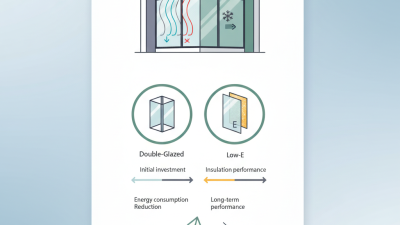
One critical feature is low-E glass, which minimizes heat transfer while allowing natural light to enter. This glass can reduce energy bills by up to 30%. Double or triple glazing is another vital aspect that helps in insulation. Research shows that triple-pane windows can be 50% more effective than single-pane models. Additionally, frames made with durable materials, such as fiberglass or vinyl, provide better insulation compared to traditional wooden frames.
Tips: Ensure that your windows fit securely in the frame to prevent air leaks. Consider local climate conditions when selecting the right type of windows. A common mistake is overlooking the importance of window orientation. Ideal placement can maximize sunlight during winter and minimize heat during summer.
Investing in high-quality energy-saving windows can seem costly upfront. Yet, the long-term savings on energy bills often outweigh the initial price. Reflect on the balance between cost and value in your home improvement decisions.
Material Innovations for Enhanced Window Insulation
In the quest for energy efficiency, innovations in window materials have gained traction. Advanced glazing technologies are crucial for improving insulation. Reports from the U.S. Department of Energy show that windows account for up to 30% of residential energy loss. Enhancements in window frames and coatings can significantly reduce this figure.
Recent advancements highlight the effectiveness of triple-glazed windows. These windows provide superior insulation compared to double-glazed counterparts. Research indicates that triple glazing can lower energy bills by up to 20%. However, they are often heavier and may require stronger frames, posing challenges for installation and design.
Another promising material is vacuum insulated glass. This technology boasts a thinner profile, allowing for sleek designs without sacrificing performance. Studies suggest that vacuum glass can achieve an insulation value of R-10, nearly double that of traditional models. It's essential to weigh these benefits against potential costs and installation complexities. Reflecting on these innovations offers a glimpse into the future of energy-efficient windows, revealing areas for improvement and adaptation.
2026 Top Energy Saving Windows Performance
This chart illustrates the energy efficiency of various window types available in 2026 based on their U-Value ratings. Lower U-Values indicate better insulating properties, which contribute to energy savings in buildings.
Comparative Analysis of Leading Brands in 2026
In 2026, energy-saving windows have become essential for global buyers. Their efficiency helps reduce energy consumption and lower utility bills. A recent study indicates that high-performance windows can cut energy loss by 30-50%. This is a significant saving for homeowners and businesses alike.
Comparative analysis shows that leading brands vary in performance ratings and technologies. Some options utilize triple glazing, enhancing insulation. Others offer smart window technologies that adapt to external temperatures. Data from industry reports reveals that windows with a U-factor below 0.20 are among the most efficient. However, not all buyers prioritize performance over cost. Some still choose cheaper options, missing out on long-term savings.
Choosing the right window is not easy. Buyers often face trade-offs between cost, aesthetics, and performance. While one brand may excel in thermal performance, another might offer better visual appeal. This complex decision-making process can lead to doubts. A window that looks great might not deliver the efficiency needed. Therefore, careful consideration and research are crucial.
2026 Top Energy Saving Windows for Global Buyers
| Window Type |
U-Value (W/m²K) |
Solar Heat Gain Coefficient (SHGC) |
Visible Light Transmission (VLT) |
Air Leakage (cfm/ft²) |
Noise Reduction Rating (NRR) |
Estimated Cost ($/sq ft) |
| Double Glazed with Low-E Coating |
1.2 |
0.30 |
0.70 |
0.05 |
32 |
25 |
| Triple Glazed with Argon Gas |
0.9 |
0.28 |
0.65 |
0.03 |
38 |
30 |
| Fiberglass Windows |
1.0 |
0.25 |
0.75 |
0.04 |
35 |
40 |
| Vinyl Windows |
1.4 |
0.40 |
0.60 |
0.06 |
30 |
20 |
| Wood-Clad Windows |
1.1 |
0.32 |
0.68 |
0.05 |
33 |
28 |
Sustainability and Environmental Impact of Energy Saving Windows
Energy-saving windows play a crucial role in building sustainability.
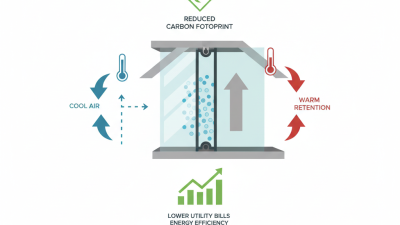
They help reduce energy consumption in homes and commercial buildings. By minimizing heat loss in winter and keeping indoor spaces cooler in summer, they contribute significantly to energy efficiency.
This impacts not only energy bills but also the overall carbon footprint.
However, the environmental impact of producing energy-saving windows cannot be overlooked.
The materials used in their manufacture, like glass and frame components, require energy and resources to produce.
Research indicates that the production process leads to emissions and waste. It's essential to consider the lifecycle of these windows, from production to disposal.
Sustainable sourcing of materials can mitigate some of these concerns.
Installing energy-efficient windows does involve an upfront investment.
Homeowners may hesitate due to cost. Yet, the long-term savings on energy bills and negative environmental impacts justify the expense.
The ongoing challenge lies in balancing cost and sustainability.
As awareness of these factors grows, innovations will emerge, making energy-saving windows more accessible and eco-friendly.