What Are Wood Clad Windows and Their Benefits?
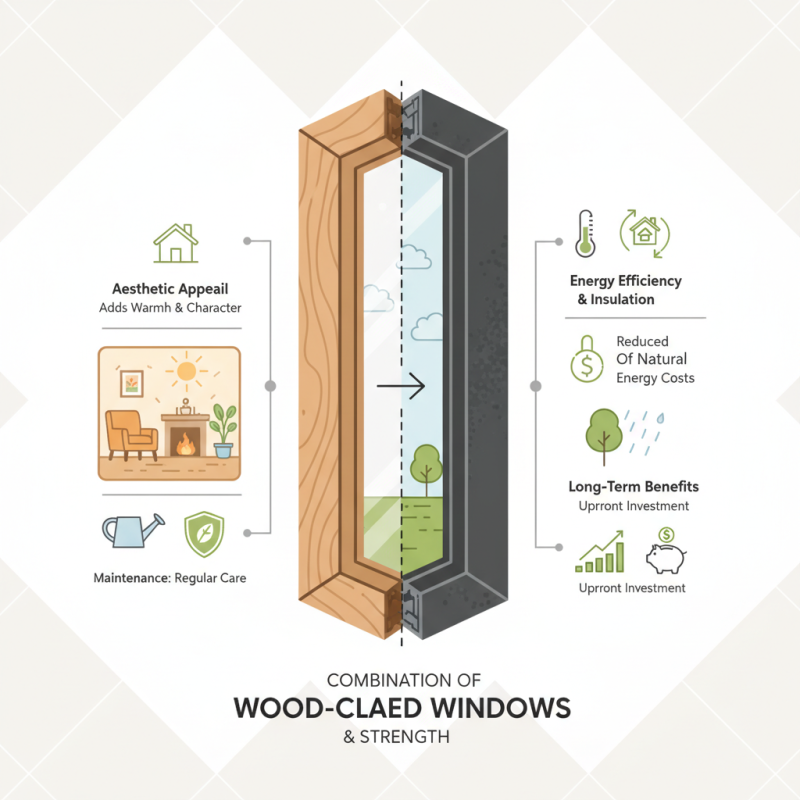
Wood Clad Windows are becoming increasingly popular in modern architecture. These windows combine the natural beauty of wood with the strength of durable materials. Experts like John Smith, a renowned architect, highlight their advantages, stating, "Wood Clad Windows offer the perfect blend of style and functionality."
The beauty of wood adds warmth and character to any space. Many homeowners appreciate this aesthetic appeal. However, maintenance is a concern for some. Wood can be susceptible to elements. Regular care is crucial to preserve its integrity.
In addition, energy efficiency is another important aspect. Wood Clad Windows provide excellent insulation. This can lead to reduced energy costs over time. Some may find the upfront investment challenging, but the long-term benefits are significant. Thoughtful consideration is essential when choosing windows for your home.
What Are Wood Clad Windows?
Wood clad windows combine the beauty of natural wood with the durability of other materials. This unique construction involves a wooden frame covered with a protective exterior, often made from vinyl, aluminum, or fiberglass. The main advantage is achieving a warm aesthetic without sacrificing long-term performance.
Industry reports indicate that wood clad windows can reduce maintenance needs by up to 50%. This is crucial for homeowners who desire low upkeep. They provide excellent insulation, which can improve energy efficiency. Homeowners can save significantly on heating and cooling costs, with some studies showing savings of up to 30% over traditional windows. However, wood clad windows may require initial higher investments.
Despite their advantages, wood clad windows aren’t perfect. Some homeowners report challenges with fading or discoloration over time. Regular inspections are necessary to ensure the integrity of the wood underneath. This can require commitment and patience. Balancing aesthetics and function is essential in making a choice that truly benefits the home.
What Are Wood Clad Windows and Their Benefits?
| Aspect |
Details |
| Material Composition |
Wood on the interior and durable cladding (aluminum or vinyl) on the exterior. |
| Aesthetic Appeal |
Provides a warm, natural look on the inside while being low-maintenance outside. |
| Energy Efficiency |
Improves insulation, reducing heating and cooling costs. |
| Weather Resistance |
Cladding protects against moisture, UV rays, and other weather elements. |
| Maintenance |
Requires less maintenance than traditional wooden windows, especially on the exterior. |
| Customization Options |
Available in various styles, colors, and finishes to match home design. |
| Lifespan |
Typically longer-lasting than standard wood windows due to protective cladding. |
Components of Wood Clad Windows
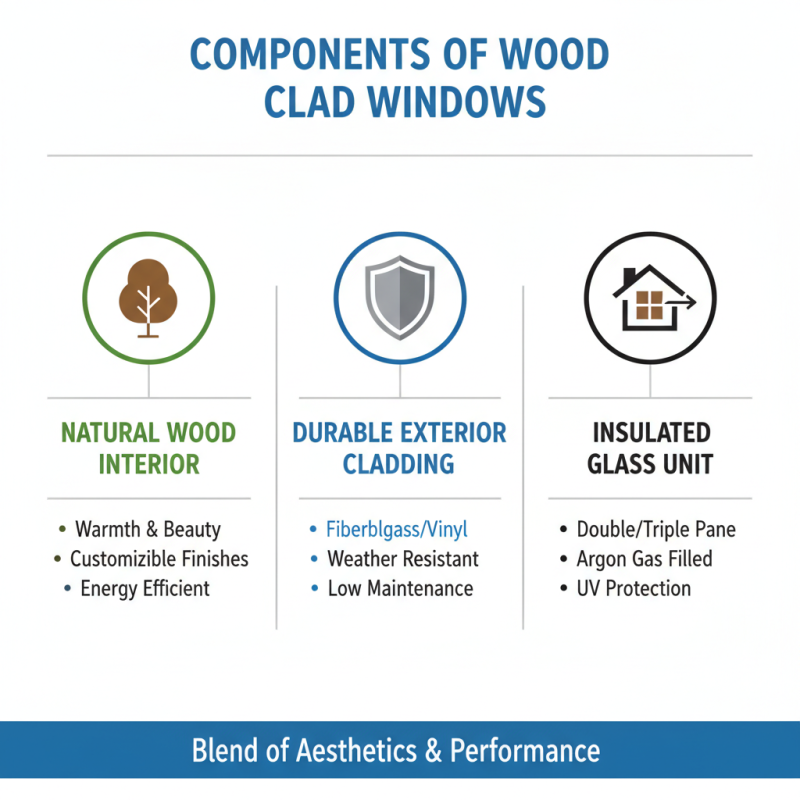
Wood clad windows are a popular choice for many homeowners. They combine the beauty of natural wood with the durability of fiberglass or vinyl. This unique blend makes them appealing for various architectural styles. Understanding their components helps in appreciating their overall value.
The heart of wood clad windows is the frame. Typically, the inner frame is crafted from high-quality wood, adding warmth and charm to interiors. The outer layer is made from a protective material, ensuring longevity. This combination helps in reducing maintenance needs while providing an aesthetic appeal. The wood can be painted or stained to fit any design vision.
Another crucial component is the insulation. A well-insulated window not only enhances energy efficiency but also aids in noise reduction. These windows can help regulate indoor temperatures. However, if not properly sealed, they may allow drafts. Regular checks are essential. Additionally, the glass options vary too. From double to triple-pane, each choice impacts performance. Choosing the right glass can be tricky. There's often a balance between cost and efficiency that needs careful reflection.
Benefits of Wood Clad Windows for Energy Efficiency
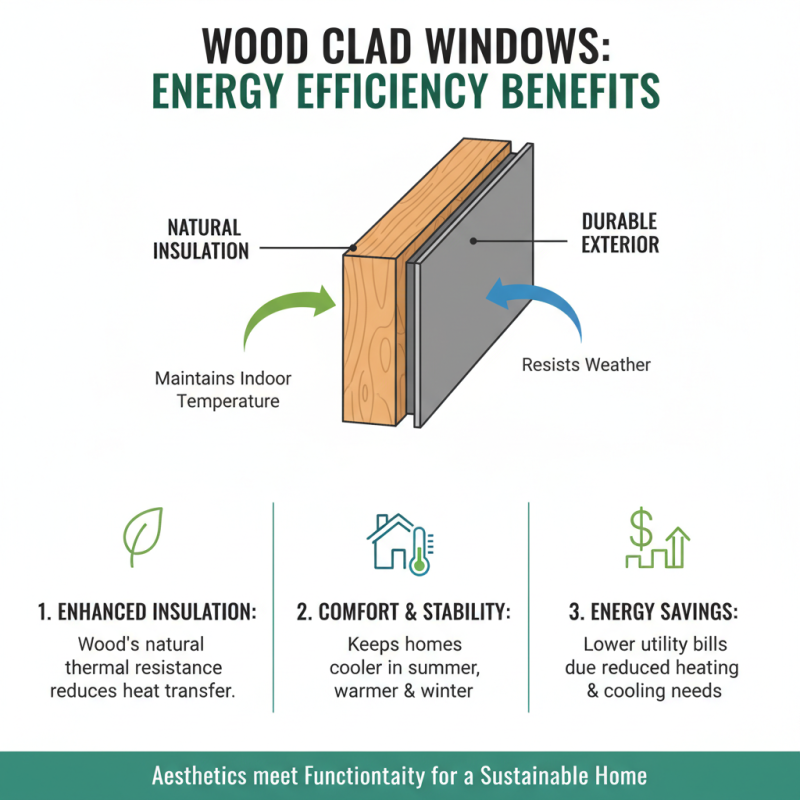
Wood clad windows offer a unique balance of aesthetics and functionality. They usually feature a layer of wood on the inside and a durable exterior material. This combination enhances their energy efficiency, making them popular for many homeowners. The wood interior provides natural insulation, helping to maintain a comfortable indoor temperature.
Proper installation plays a crucial role in performance. When installed incorrectly, gaps can lead to air leaks and energy loss. Regular maintenance is key. Keeping the exterior material clean protects the wood from moisture damage and decay.
Another benefit of wood clad windows is their ability to reduce noise. The wood absorbs sound effectively, creating a quieter living environment. However, the initial cost can be higher than standard windows. It's essential to weigh long-term savings against the upfront investment. For many, the benefits outweigh the negatives, especially regarding comfort and energy efficiency.
Aesthetic Advantages of Wood Clad Windows
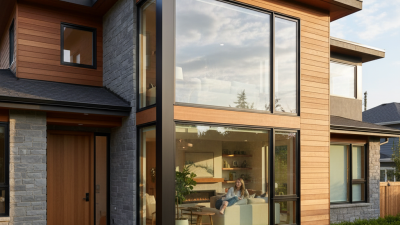
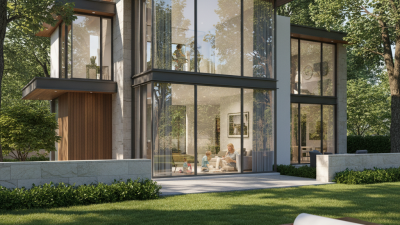
Wood clad windows offer a unique blend of beauty and function. Their outer layer is often made from durable materials like fiberglass or aluminum. Inside, the wood presents a warm, inviting aesthetic. This natural touch can enhance the look of both traditional and contemporary homes. Expansive glass areas framed by rich wood create stunning visuals, inviting natural light indoors.
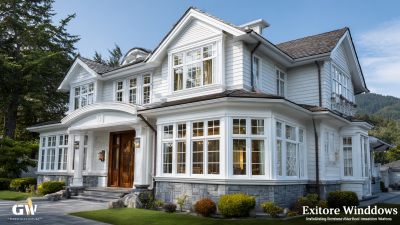
The range of wood finishes is vast. From oak to pine, homeowners can select materials that resonate with their style. Additionally, wood clad windows provide texture and contrast against various exterior surfaces. This depth in design can elevate curb appeal significantly. However, some may find maintaining the wood challenging. Regular upkeep is necessary to avoid weather damage. Ultimately, wood clad windows offer a balance of elegance and practicality, inviting reflection on one’s design choices.
Maintenance Considerations for Wood Clad Windows
Wood clad windows offer an appealing aesthetic, combining the warmth of wood interiors with durable exterior cladding. However, maintaining these windows can be a challenge. Regular upkeep is essential to prevent damage, especially in extreme weather conditions. Experts recommend checking seals and finishes annually. Studies show that neglecting maintenance can lead to significant repair costs, sometimes exceeding $1,000 per window.
The choice of material in the cladding greatly influences longevity. For example, aluminum cladding might resist corrosion better than vinyl. According to industry reports, wood clad windows can retain their value better than all-wood windows, primarily due to the protective layer. Yet, over time, wood can still absorb moisture if improperly maintained. This can result in rot or mold, which are costly to fix.
Homeowners should also be aware of painting and staining schedules. Regularly refinishing the interior can enhance longevity. The frequency depends on exposure to sunlight and harsh weather. Ignoring these signs often leads to compromised performance. Investing time in maintenance can save significant costs down the road.