Leave Your Message

7 Best Wood Replacement Windows for Global Buyers

Wood Replacement Windows can bring warmth, repairability, and strong thermal performance to a home, but the right choice depends on more than appearance. A finely finished frame means little if it leaks air or cannot handle local weather. The U.S. Department of Energy’s Energy Saver guidance estimates that windows account for about 25–30% of residential heating and cooling energy use. That makes careful comparison worthwhile.

Building-science expert Dr. Joseph Lstiburek has emphasized evaluating windows as part of the building enclosure, rather than as isolated products. That perspective matters to global buyers. A rainy coastal home may need durable exterior protection; a cold-climate project may prioritize low heat loss. Check published U-factor, solar heat gain coefficient, air-leakage ratings, and installation requirements. Also confirm whether the exterior is wood, aluminum-clad, or another material. Small details matter. So do local service and replacement-part availability.

This guide compares seven wood replacement window options for buyers weighing performance, design, upkeep, and sourcing. It draws on manufacturer specifications and established efficiency guidance, while recognizing that ratings and test methods can vary by market. A product that performs well in one region may not suit another. No shortlist is perfect. Treat these picks as a starting point, then verify dimensions, certifications, warranty coverage, and installer experience before ordering. One practical caution: published ratings cannot compensate for poor installation, and I would not overlook that risk.
7 Best Wood Replacement Windows for Global Buyers

Understanding Wood Replacement Windows and Their Main Features

Wood replacement windows combine a natural interior finish with practical design choices. The frame’s wood can be painted or stained, allowing it to suit different rooms and architectural styles. Many models also use insulated glass and weatherstripping to reduce drafts and help manage indoor temperatures. Performance depends on the full window assembly, not wood alone.

Look closely at frame construction, glass options, drainage details, and the exterior finish. Some windows protect the outdoor-facing wood with a durable cladding; others need more frequent coating and inspection. In humid or rainy settings, poor sealing can allow moisture to collect near joints. In dry, sunny climates, finishes may fade or crack sooner. Wood needs care. Confirm the unit’s dimensions and installation requirements with a qualified installer, since even a well-made window can perform poorly if fitted incorrectly. Energy ratings and maintenance guidance may also vary by market.

Tips: Check corners and lower sashes for soft spots, peeling paint, or trapped moisture. Ask how often the finish needs attention in your climate. Compare complete-window performance figures, not glass claims alone. And leave room in your budget for upkeep; that part is easy to underestimate.

How to Compare Wood Window Options Across Global Markets

For global buyers, compare wood replacement windows by climate, test method, and installation details—not brochure claims. A coastal home in Manila needs different moisture protection from a cold-climate house in Helsinki. The U.S. Department of Energy’s Energy Saver guidance estimates that windows account for 25–30% of residential heating and cooling energy use. That figure is not universal; weather, leakage, and glazing all affect performance. Compare whole-window U-factor and solar heat-gain data, and check the test standard behind each number. Ratings do not always translate directly across markets.

Inspect the frame as carefully as the glass. In humid regions, ask about sill drainage, end-grain sealing, coatings, and repair intervals. Small gaps matter. In colder climates, look for tested air-leakage performance and details that limit condensation around the frame. Ask for results on the complete window assembly, not glass-only figures. Timber species and engineered-wood construction can vary, so request sourcing details and maintenance guidance in writing.

Shipping distance, replacement-part access, and local installer experience also affect long-term value. For environmental claims, request an independently verified environmental product declaration where available. A fair comparison is messier than one score. I would also check whether sample-window test results reflect the exact sizes and opening styles being quoted; buyers sometimes skip this, and the difference can matter.

7 Wood Species to Compare for Replacement Windows

Reference air-dry density values for woods used in window joinery, in kilograms per cubic meter (kg/m³).

How to use this comparison: Lower-density timber can make window sashes lighter, while density alone does not determine insulation, durability, or overall window performance. Check the species, timber treatment, construction, and local climate requirements before choosing.

Reference values: The Wood Database species profiles. Density varies with origin, grade, and moisture content.

Seven Wood Replacement Window Choices for Different Buyer Needs

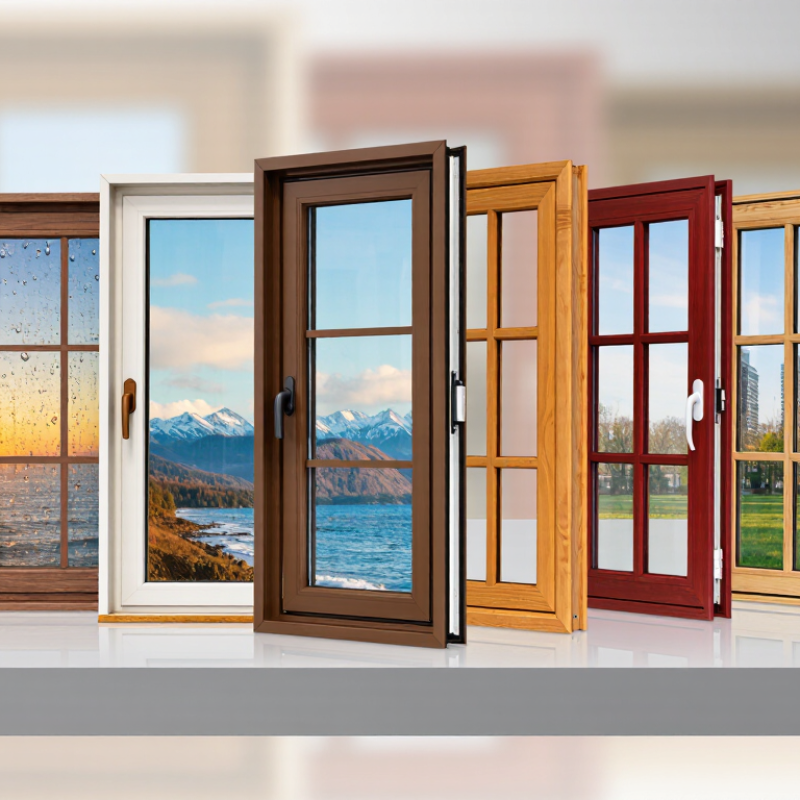
Wood replacement windows suit buyers who value warm interior finishes and the option to repair or refinish wood. The right choice depends on the building, local weather, and maintenance habits. A traditional all-wood unit may fit a dry, sheltered home, while a wood-clad window adds an exterior protective layer for more exposed walls. Details matter.

Seven choices serve different needs: all-wood frames for authentic interiors, wood-clad frames for reduced exterior upkeep, and custom profiles for older homes. High-performance glazing can help limit heat loss, but compare tested ratings for the window as a whole, not glass alone. Sound-reducing glass may suit homes near busy streets. Standard-size units can lower costs when existing openings match. Custom sizes help when they do not. A factory-finished interior can save finishing time, though color matching may disappoint.

Before buying, check frame depth, operating style, glass specifications, and installation requirements. Ask how the product handles moisture at joints and how often exterior finishes need attention. These answers vary by design and exposure. No option is perfect. A lower purchase price may mean more upkeep, while added features may not pay off in every climate. Measure the opening carefully, and have a qualified installer assess any signs of water damage before replacement.

Matching Window Designs to Climate, Architecture, and Performance Goals

7 Best Wood Replacement Windows for Global Buyers

Matching Window Designs to Climate, Architecture, and Performance Goals

Choosing a wood replacement window starts with the local weather, not the catalog. In humid coastal areas, durable exterior protection and well-designed drainage help limit moisture damage. In colder regions, insulated glazing and tight weather seals can reduce drafts and interior condensation. Hot, sunny climates may call for solar-control glass, especially on large south- or west-facing windows. Wood adds warmth indoors, but it still needs suitable finishes and regular care. That part is easy to underestimate.
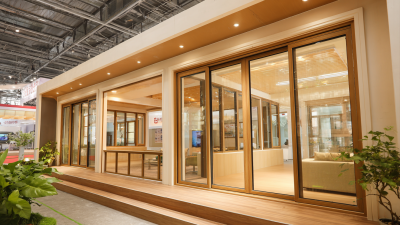
Architecture matters, too. A narrow sash may suit a traditional townhouse, while broader panes can preserve views in a modern home. Check frame depth, opening style, and sightlines against the existing trim before ordering. For older buildings, matching proportions is often more convincing than copying every historic detail. It can be tricky. I would also compare tested air, water, and structural performance for the intended exposure; labels and ratings vary by market.

Tips: Ask for a sample finish, confirm glass specifications in writing, and check who handles installation. Measure more than once. A capable installer can spot uneven openings and explain how the frame will be sealed. Still, even careful planning has limits: local workmanship and maintenance habits affect long-term results. Decide what you can realistically maintain before choosing a finish.

Installation, Maintenance, and Long-Term Ownership Considerations

Wood replacement windows reward careful installation, but the frame alone cannot guarantee comfort. The U.S. Department of Energy’s “Energy Saver: Update or Replace Windows” guidance estimates that windows account for 25–30% of residential heating and cooling energy use. That makes air sealing, flashing, and drainage details consequential. A level sill, continuous weather barrier, and sealed jambs help limit drafts and hidden moisture. Tiny gaps matter.

Before ordering, compare whole-window U-factor and solar heat gain coefficient on National Fenestration Rating Council labels. These ratings help buyers assess heat transfer and sunlight across different climates. Confirm rough-opening measurements on site; small measurement errors can complicate fitting and sealing. After installation, inspect exposed finishes and perimeter sealant each year, especially on weather-facing elevations. Repair cracks before water reaches the wood. A perfect finish is not permanent, and maintenance needs vary with exposure.

Tips: Keep sill channels clear, and touch up damaged paint or sealant promptly. Photographing each inspection can reveal gradual changes.

One limitation is easy to overlook: even good materials cannot compensate for rushed installation. Ownership costs also include periodic finishing, not just the purchase price.