How to Choose the Best Casement Windows for Your Home?
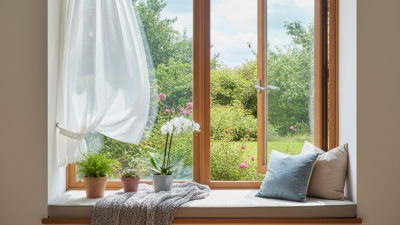
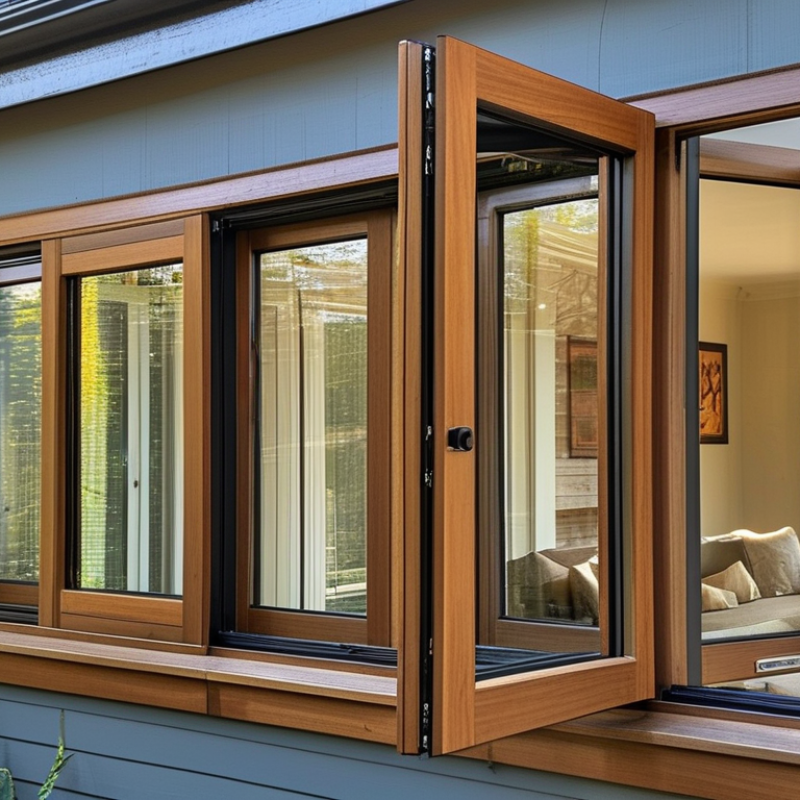
Choosing the right casement windows for your home can be a daunting task. Expert window designer, Sarah Mitchell, says, “Casement windows offer both functionality and charm.” These windows are hinged at the side and open outward, providing excellent ventilation and unobstructed views.
When selecting casement windows, consider your home’s architecture and climate. The material of the windows will greatly affect their durability and efficiency. Wood frames provide warmth and beauty, while vinyl frames are low-maintenance and energy-efficient. It is essential to weigh these options to find the best fit.
Installation can be tricky. Working with a professional is often necessary. However, choosing the right expert also requires thought. Not all contractors have experience with casement windows. Mistakes in installation may lead to poor performance. Careful selection will ensure your investment pays off in both comfort and energy savings.
Understanding the Basics of Casement Windows and Their Benefits
Casement windows are a popular choice for homeowners. They feature hinged sashes that open outward. This design allows for excellent ventilation and unobstructed views. They can be installed in various configurations. Their flexibility makes them suitable for any room, from living areas to kitchens.
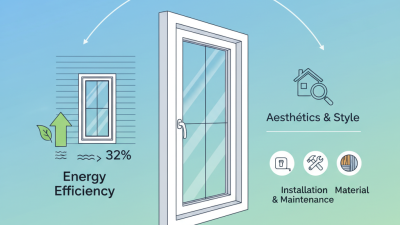
One major benefit of casement windows is energy efficiency. When closed, they create a tight seal, preventing drafts. This can help reduce energy bills. However, the quality of installation matters. Poorly installed windows may not perform well. It’s crucial to choose a skilled professional for installation.
Consider the materials used for casement windows. Wood offers warmth and charm but requires maintenance. Vinyl or fiberglass can provide durability with less upkeep. Think about your climate, too. Areas with strong winds may need sturdier designs. Reflecting on these factors will lead to a better decision for your home.
Key Factors to Consider When Selecting Casement Windows
When selecting casement windows for a home, several key factors come into play. First, consider the window material. Options include wood, vinyl, or aluminum. Each material has unique benefits and drawbacks. For instance, wood offers a classic look but requires maintenance. Vinyl is low-maintenance and energy-efficient but may lack style. Think about the climate in your area, too. Some materials perform better in certain weather conditions.
Next, prioritize energy efficiency. Look for windows with a high Energy Star rating. This feature can significantly reduce heating and cooling costs. Double-glazed or triple-glazed windows help improve insulation. Make sure the windows also have good seals. This will keep drafts out and maintain indoor comfort.
Another important aspect is safety and security. Casement windows open outward, which can be a concern for some homeowners. Ensure you choose models with robust locking mechanisms. Additionally, consider the window's warranty. A solid warranty indicates the manufacturer's confidence in their product's durability. Taking the time to evaluate these factors can lead to a smarter investment.
Material Options for Casement Windows: Pros and Cons
When considering casement windows, understanding material options is essential. Common materials include wood, vinyl, and aluminum. Each has unique properties influencing durability and aesthetics. Wood offers excellent insulation and a classic look. However, it requires regular maintenance to prevent rot and warping. It may not be a perfect choice for every climate.
Vinyl windows are popular due to their low maintenance and energy efficiency. They resist fading and do not require painting. However, vinyl may lack the elegance of wood and can be less durable in extreme temperatures. Aluminum is lightweight and strong, providing a modern appearance. Yet, it conducts heat and cold, which can affect insulation performance.
Selecting the right material depends on factors like climate, maintenance preferences, and design goals. Reflecting on your needs is crucial. Balance aesthetics with function to find the best options. Each choice has pros and cons worth considering carefully. Achieving the perfect look and functionality for your home may take time and thought.
How to Choose the Best Casement Windows for Your Home?
| Material |
Pros |
Cons |
| Vinyl |
Low maintenance, energy-efficient, affordable |
Limited color options, can warp in extreme heat |
| Wood |
Natural aesthetic, great insulation, customizable |
Requires regular maintenance, more expensive |
| Aluminum |
Durable, lightweight, modern look |
Poor insulation, can corrode without proper treatment |
| Fiberglass |
Highly durable, excellent insulation, low maintenance |
Higher cost, limited availability |
Energy Efficiency Ratings and Their Importance for Casement Windows
When selecting casement windows, energy efficiency ratings are crucial. These ratings indicate how well a window can insulate your home. A higher rating often means better energy savings. This can lead to lower utility bills, which homeowners value greatly. The most common ratings include U-factor and Solar Heat Gain Coefficient. Both help you understand heat transfer and how windows handle solar energy.
Understanding these ratings is essential, yet it can be confusing. For example, a window with a low U-factor minimizes heat loss. This is particularly significant in colder climates. In contrast, a high Solar Heat Gain Coefficient is beneficial for warmer regions. It allows sunlight to warm your home, which can reduce heating costs. Choosing the right ratings requires careful consideration of your specific climate and home design.
It's also important to remember that not all energy-efficient windows are created equal. Installation plays a vital role in performance. Even the best windows won’t perform well if they aren't installed correctly. Homeowners sometimes overlook this factor, focusing solely on window specifications. It's worth taking the time to ensure proper installation for optimal energy efficiency.
Installation and Maintenance Tips for Casement Windows
Installing casement windows can enhance your home's energy efficiency and aesthetic appeal. Proper installation is crucial for maximizing these benefits. Start by ensuring that the opening is the right size; it should be square and level. If the frame is not perfect, you may need to make adjustments. Many people overlook the importance of seals. Make sure to invest in quality weather stripping to prevent air leaks.
Regular maintenance of casement windows is essential for longevity. Check hinges and locks periodically to ensure smooth operation. Lubricate moving parts at least once a year to avoid rust or friction. Inspect the weather stripping regularly, as worn-out seals can lead to drafts and increased energy bills. Some homeowners neglect cleaning the outside surfaces. Dirt buildup can affect the window’s overall performance and appearance.
Consider the challenges with older windows. They may require additional attention, especially if they show signs of wear. Examine the frames and glass for any damage. It’s common to miss small cracks that can lead to bigger problems down the road. Reflecting on these aspects can help you maintain the functionality of your casement windows for years to come.