Leave Your Message

How to Choose Metal Clad Windows in 2026?

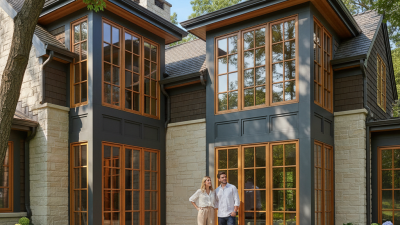
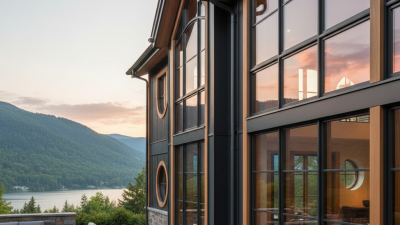
In 2026, choosing Metal Clad Windows requires more than comparing frame colors. These units combine a warm wood interior with a protective aluminum exterior. That combination can suit bedrooms, coastal homes, and demanding renovation projects. However, performance depends on the entire window system, not the cladding alone.

The International Energy Agency’s Buildings 2023 report states that buildings consumed about 30% of global final energy in 2022. Windows influence heating demand, cooling loads, daylight, and indoor comfort. The U.S. Department of Energy also identifies windows as a major source of residential heat gain and heat loss. Therefore, review the U-factor, solar heat gain coefficient, visible transmittance, and air-leakage rating. NFRC labels provide comparable performance information across tested products. Look for certified values, not attractive showroom claims.

Small details matter. A thermally broken aluminum exterior can reduce cold bridging around the frame. Proper flashing protects the sill during wind-driven rain. In salty regions, verify the finish, fasteners, drainage design, and corrosion testing. AAMA/WDMA/CSA 101/I.S.2/A440 performance classifications can help evaluate air, water, and structural resistance. Still, no checklist is perfect. Installation quality may decide whether a premium window performs well. I have seen excellent frames underperform because shims were misplaced or sealant gaps were ignored. Before selecting a product, compare climate exposure, wall construction, maintenance expectations, glass options, warranty terms, and installer experience. The best Metal Clad Windows are not always the most expensive. They are the ones whose tested performance matches the building’s real conditions.
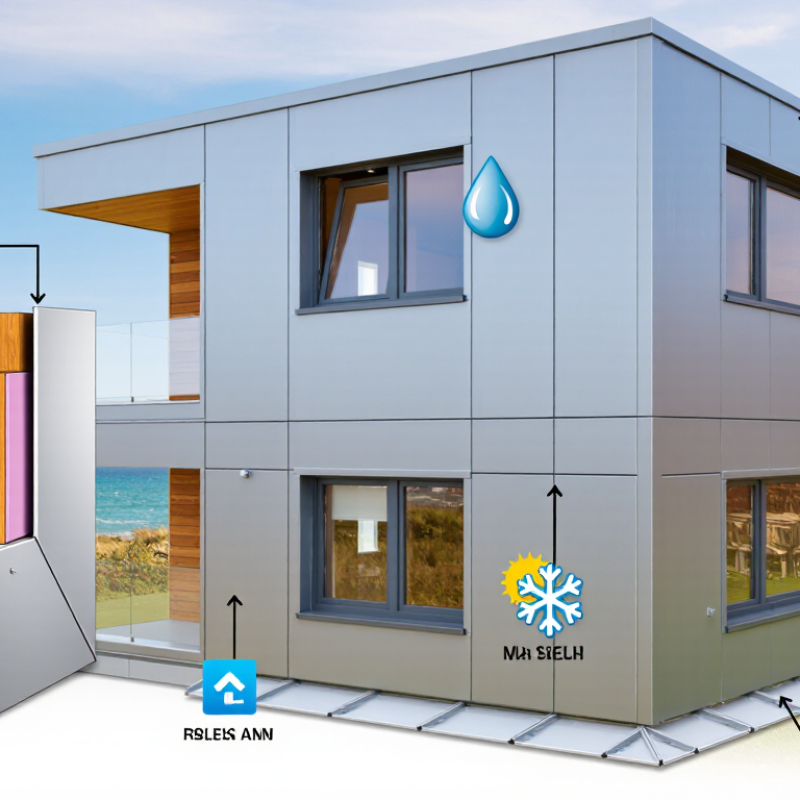
How to Choose Metal Clad Windows in 2026?

What Metal Clad Windows Are and How They Work

How to Choose Metal Clad Windows in 2026?

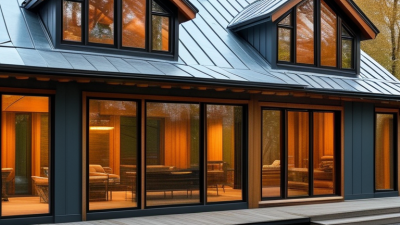
Metal clad windows combine an interior frame, often wood, with a protective metal exterior. The indoor material provides warmth and a familiar finish. The outer cladding resists rain, sunlight, insects, and changing temperatures. It is not a solid metal window. That distinction matters.

A typical unit uses insulated glass, seals, drainage channels, and a thermally separated frame. The glass controls heat transfer and daylight. Gaskets press against the sash to reduce air leakage. Water that enters the outer track should move through weep holes and drain outside. Proper installation remains critical. Even an excellent window can leak when flashing is poorly fitted.

When comparing windows in 2026, examine the frame’s thermal performance, glass specification, air-leakage rating, and warranty conditions. Ask how the metal connects to the interior frame. A thermal break can reduce cold surfaces and interior condensation. In a cold room, warm indoor air may still create moisture on weak edges. That problem is easy to overlook.

Check the metal finish closely. Powder-coated surfaces usually need less maintenance, but scratches can expose vulnerable areas. Coastal homes may require stronger corrosion protection. I would also inspect sample corners, hardware movement, and drainage paths before ordering. Product data sounds precise, yet installation quality can change real performance. No window is perfect.
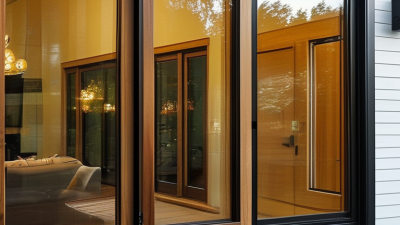

Key Materials, Cladding Types, and Performance Differences

How to Choose Metal Clad Windows in 2026?

Metal clad windows combine an interior frame with a weather-resistant outer layer. The core is commonly wood, fiberglass, or engineered composite. Aluminum cladding is economical and widely used, while stainless steel cladding offers stronger corrosion resistance in severe coastal conditions. Wood improves interior warmth, but it demands careful moisture control. Fiberglass usually moves less with temperature changes, which can support long-term seal performance.

Cladding shape also matters. Roll-formed aluminum uses thinner metal and often costs less. Extruded aluminum provides thicker sections, sharper profiles, and better resistance to dents. Some systems use folded seams, while others rely on mechanically joined corners. Inspect those corners closely. Small gaps can become large maintenance problems.

Performance should be judged by certified ratings, not appearance. The U.S. Department of Energy estimates that windows may cause 25–30% of residential heating and cooling energy use. Lower U-factor generally means better insulation.

Solar Heat Gain Coefficient, or SHGC, shows how much solar heat enters through the glass. In hot climates, a lower SHGC can reduce cooling demand; in cold climates, moderate solar gain may help.

NFRC labels also report visible transmittance and air leakage. Compare complete-window ratings, not center-glass values. A strong frame cannot rescue poorly selected glass.

Coastal projects need compatible fasteners, drainage paths, and factory-applied finishes. These details are easy to overlook. They should not be.

A lower U-factor is not automatically the best choice, and published ratings still need checking against orientation, shading, installation quality, and local climate data. (U.S. Department of Energy, Energy Saver; National Fenestration Rating Council technical resources)

How to Match Window Design to Climate and Building Needs

How to Choose Metal Clad Windows in 2026?

Climate should guide window design before appearance. In cold regions, choose low U-values, warm-edge spacers, and insulated frames. These features reduce heat loss around bedrooms and living areas. In hot climates, a lower solar heat gain coefficient can limit afternoon overheating. Exterior shading still matters. Glass alone cannot solve every comfort problem.

Moisture deserves equal attention. Coastal buildings need durable exterior metal and carefully protected joints. In rainy areas, sloped sills and reliable drainage paths help prevent trapped water. For high-wind zones, check tested air leakage, water resistance, and structural performance. Ask for documented results, not broad promises. Local energy codes and qualified installers should influence the final specification.

Building use changes the answer. A quiet study may need laminated glass, while a sunroom may benefit from controlled solar gain. Large openings look attractive, but they can increase heat loss and installation risk. Even experienced teams can overvalue clean lines and underestimate maintenance access. I would inspect sample corners, hardware, gaskets, and finish transitions before approval. A small detail often reveals more than a polished showroom display. Allow space for seasonal movement, especially where metal meets masonry. Review condensation risks with an energy professional, because indoor humidity can make a good window perform poorly.

How to Choose Metal Clad Windows in 2026?

Match window design to climate and building needs using representative annual heating and cooling degree days.

Heating-dominant locations benefit from low-U-factor glazing, warm-edge spacers, insulated frames, and durable exterior metal cladding. Cooling-dominant locations should prioritize low solar heat gain coefficient (SHGC), exterior shading, and properly selected low-emissivity coatings. Mixed climates require a balanced combination of thermal insulation, solar control, air tightness, and weather-resistant cladding.

Climate indicators are rounded representative annual HDD65 and CDD65 values based on 1991–2020 U.S. climate-normal methodology. HDD65 indicates heating demand; CDD65 indicates cooling demand.

How to Compare Energy Efficiency, Durability, and Maintenance

How to Choose Metal Clad Windows in 2026?

How to Compare Energy Efficiency, Durability, and Maintenance

Metal clad windows usually combine an insulated wood interior with a weather-resistant metal exterior. Compare the whole window, not the frame alone. Check the U-factor, solar heat gain coefficient, visible transmittance, and air-leakage rating. Lower U-factor generally means better insulation. However, a very low number may not suit every climate. Cold regions often benefit from stronger insulation, while sunny regions may need controlled solar gain.

Ask for independently verified performance reports. Confirm the tested size, glazing package, and installation conditions. Ratings can change when glass, spacers, or coatings change. During site inspections, I look closely at corner joints, drainage paths, and flashing details. Small installation errors can weaken an excellent window. That part is often overlooked.

Durability depends on both materials and workmanship. Examine the metal finish, seal quality, hardware adjustment, and resistance to moisture. Coastal homes need special attention to salt exposure. Maintenance should be practical: clean exterior surfaces, inspect sealants, and lubricate hardware according to the manufacturer’s instructions. Wood interiors may need refinishing over time. Metal exteriors usually need less attention, but they are not maintenance-free. I once trusted a product comparison sheet too quickly. It ignored the local climate and installation quality. That was a useful mistake. Ask about repairable components, replacement parts, and clear warranty terms before choosing.

How to Evaluate Costs, Installation, and Long-Term Value

Choosing metal clad windows in 2026 requires more than comparing product prices. The quoted cost should include glass, exterior metal, interior finish, flashing, trim, delivery, labor, disposal, and possible permit fees. Ask for each item in writing. A low quote may hide expensive preparation work.

Installation quality strongly affects performance. Confirm who will install the windows and request recent project references. The installer should inspect rough openings, control water drainage, and seal joints correctly. In a renovation, poor flashing can cause leaks behind finished walls. That repair may cost more than the windows. Ask how the crew handles uneven openings and unexpected framing damage.

Long-term value depends on climate, exposure, maintenance, and daily use. Metal cladding can reduce exterior repainting, but it does not remove every maintenance task. Check drainage paths, seals, hardware, and interior condensation during seasonal inspections. Compare thermal ratings, glass options, warranty limits, and expected service access. A detailed lifecycle estimate is useful, although it will never be perfect. My first budget would probably underestimate trim repairs in an older house. That is worth admitting. Leave a contingency fund, especially when replacing windows in buildings with unknown construction history. Evaluate comfort near the glass, not only the purchase price.

How to Choose Metal Clad Windows in 2026? - How to Evaluate Costs, Installation, and Long-Term Value

Evaluation Dimension What to Check Typical 2026 Range or Benchmark Why It Matters Practical Buying Guidance
Window Unit Cost Factory-built metal-clad wood or composite window, excluding installation and interior trim Approximately $800–$2,500 per standard window; larger or specialty units may exceed $3,000 The frame material, operating style, glass package, size, and customization level strongly affect the initial price. Compare quotes using the same dimensions, glazing, hardware, screens, colors, and performance specifications.
Installation Cost Labor, flashing, insulation, air sealing, water management, disposal, and interior or exterior repairs Approximately $300–$1,000 per window for standard replacement; new construction and difficult openings can cost more Poor installation can cause air leakage, water intrusion, condensation, and premature deterioration. Request an itemized labor proposal and confirm who is responsible for flashing and structural repairs.
Complete Installed Cost Window, installation, trim, permits, disposal, taxes, and any opening modifications A realistic planning allowance is approximately $1,100–$3,500 per standard installed unit This is the most useful figure for comparing project budgets and long-term value. Use a written total-project estimate instead of comparing product-only prices.
Frame Construction Wood or insulated core on the interior with a factory-applied aluminum or other metal exterior cladding Common cladding thicknesses are approximately 0.040–0.063 inches, depending on design and manufacturer specifications The interior core contributes to insulation and appearance, while the exterior cladding improves resistance to weather and repainting. Verify the core material, cladding finish, drainage design, and separation between dissimilar metals.
Energy Performance Whole-window U-factor, Solar Heat Gain Coefficient, air leakage, and visible transmittance Many high-performance double-glazed units fall near U-0.25–0.30; triple glazing can be approximately U-0.15–0.22, depending on configuration Lower U-factor generally reduces heat transfer, while SHGC should match the climate and orientation. Compare certified whole-window values rather than center-of-glass claims.
Glazing Configuration Double or triple panes, low-emissivity coatings, gas fill, warm-edge spacer, and laminated or tempered glass Double glazing is usually the lower-cost option; triple glazing commonly adds approximately 10%–30% to window cost Glass selection affects thermal comfort, condensation resistance, noise control, safety, and solar gain. Select glazing according to climate, window orientation, noise exposure, and local energy requirements.
Air Leakage Certified air-leakage rating and the quality of perimeter installation A lower rating is better; high-performance products may be rated at or below 0.20 cubic feet per minute per square foot at the test pressure Air leakage can increase drafts, energy use, and interior condensation risk. Ask for a tested value and require continuous air sealing around the rough opening.
Water Resistance Performance class, water-resistance test pressure, sill pan, head flashing, and drainage paths Performance requirements vary by building height, exposure, and local code; coastal and high-wind areas generally require higher ratings Water management is essential because cladding does not eliminate leakage caused by installation or failed seals. Use an installation detail suitable for the wall assembly and local weather exposure.
Durability and Service Life Finish quality, sealant maintenance, hardware strength, drainage, and protection of the interior core A well-maintained, correctly installed unit may provide approximately 25–40 years of service; actual life varies by exposure and maintenance Long service life can reduce replacement frequency and disruption, but it depends heavily on installation quality. Inspect finish, joints, drainage openings, weather seals, and hardware before purchase.
Maintenance Requirements Cleaning, repainting requirements, seal replacement, hardware adjustment, and drainage inspection Exterior metal cladding normally requires cleaning and inspection rather than routine repainting; exposed sealants and finishes still need periodic attention Lower routine maintenance can offset part of the higher upfront purchase price. Obtain written care instructions and confirm which components are replaceable.
Installation Time Lead time, site preparation, weather protection, installation sequence, and inspection requirements On-site installation commonly takes several hours per standard replacement window; custom orders may require several weeks or more for production Project timing affects temporary weather protection, labor scheduling, and interior disruption. Confirm measurements, delivery dates, storage conditions, and the plan for unexpected opening damage.
Climate Suitability Temperature range, humidity, wind, driving rain, ultraviolet exposure, and salt-air conditions Coastal or severe-weather locations may require corrosion-resistant finishes, impact-rated glass, and higher structural performance A product that performs well in one region may not meet the exposure requirements of another. Match the product certification and installation method to the project’s climate zone and exposure category.
Warranty Review Coverage for glass, finish, hardware, seals, cladding, labor, transferability, and exclusions Coverage periods vary widely; many residential window warranties separate glass, finish, hardware, and installation coverage A long product warranty may provide limited value if labor, installation, or coastal exposure is excluded. Read the complete warranty and identify the party responsible for installation-related claims.
Long-Term Value Energy savings, maintenance, comfort, durability, appearance, resale appeal, and replacement risk The highest-value option is not always the lowest-cost option; climate-specific performance and installation quality usually have the greatest impact A lifecycle comparison provides a better decision than comparing purchase prices alone. Estimate total ownership cost over 20–30 years, including maintenance, likely repairs, and energy performance.

Planning note: Cost ranges are broad U.S. residential budgeting estimates for 2026 and can vary by region, project complexity, window size, labor rates, code requirements, and finish selections. Confirm final performance values through current product test reports and local building requirements.