2026 How to Choose Timber Casement Windows for Your Home?
Choosing the right Timber Casement Windows for your home can dramatically enhance both aesthetic appeal and energy efficiency. Research by the Window and Door Manufacturers Association shows that timber windows can reduce heating costs by up to 25%. This is especially crucial as energy prices continue to rise. Timber is a renewable resource, making it a sustainable option that many homeowners prefer.
When selecting Timber Casement Windows, quality and craftsmanship should be top priorities. Not all timber windows are created equal; some windows can warp or rot over time. High-quality timber windows are treated to withstand the elements while maintaining their beauty. According to the Timber Research and Development Association, properly selected and installed timber windows can last over 60 years.
However, the selection process may seem overwhelming. There are various types, styles, and brands to consider. With differing levels of insulation and design aesthetics, finding the right match for your home can be challenging. This guide will help streamline your decision-making process, ensuring you choose the best Timber Casement Windows for your needs.
Understanding Timber Casement Windows: An Overview
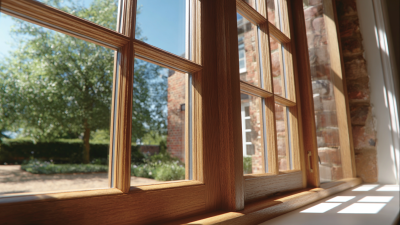
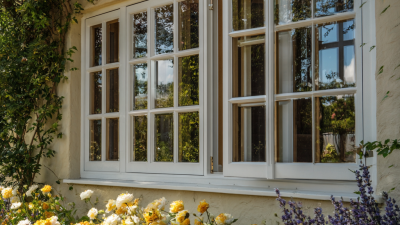
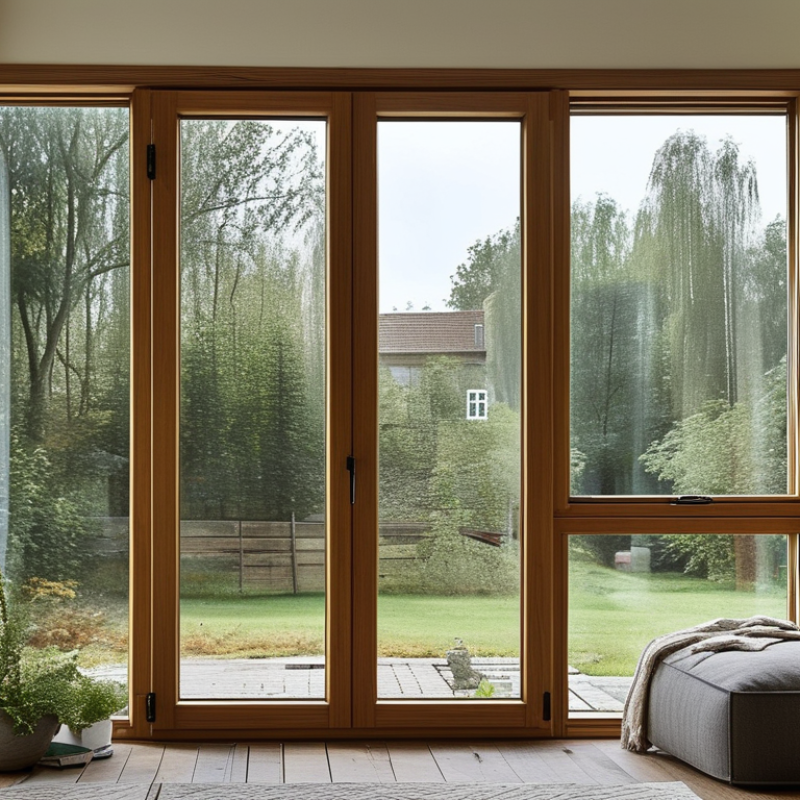
Timber casement windows are a popular choice for homeowners seeking aesthetic appeal and functionality. These windows are hinged at the side and open outward, providing excellent ventilation. Made from high-quality wood, they offer natural beauty and warmth to any home. It is important to understand their unique features and maintenance needs before making a decision.
When choosing timber casement windows, consider the type of wood. Softwoods like pine are lighter, while hardwoods like oak are more durable. The grain and finish will affect the window's appearance. Ensure the wood is treated to resist rot and insect damage. Regular maintenance is crucial; checking for weatherstripping and varnishing can enhance longevity.
Tips:
1. Look for energy-efficient double glazing options. This can reduce heating costs.
2. Check if the window frames require repainting soon after installation. It’s easy to overlook this detail, yet it can result in higher costs later.
Choosing the right timber casement windows involves careful consideration. Understanding their qualities and your home’s style can help you make an informed choice. Don’t rush; take your time to explore and evaluate different options.
Key Factors to Consider When Choosing Timber Casement Windows
When considering timber casement windows, several factors warrant attention. First, the type of wood used influences both aesthetics and durability. Hardwoods like oak and mahogany are durable and aesthetically pleasing. A 2020 report from the Timber Research and Development Association highlighted that windows made from quality hardwood can last over 40 years with proper maintenance.
Energy efficiency is another critical aspect. Windows should have energy ratings that indicate their thermal performance. According to the Energy Saving Trust, replacing old windows with timber casement models can reduce heat loss by up to 50%. Look for options that provide double or even triple glazing. This choice enhances insulation and reduces noise pollution — an appealing benefit for urban homes.
Additionally, customization can elevate the functionality of timber casement windows. Many homeowners desire unique styles that align with their home’s architecture. While customization can lead to higher initial costs, the investment often pays off in improved energy efficiency and aesthetics. However, an important consideration is maintenance; timber requires regular painting or staining to protect against moisture. Investing time in the upkeep can be as crucial as the initial selection.
Exploring Different Styles and Designs of Timber Casement Windows
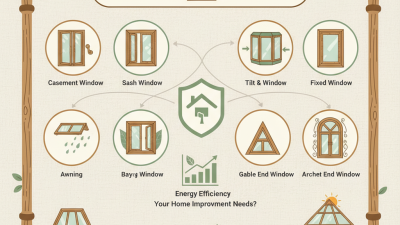
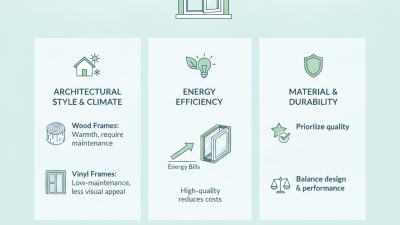
When it comes to timber casement windows, style and design choices are abundant. These windows can enhance the aesthetic appeal of your home. Their unique charm lies in the framing and opening mechanisms. Options range from traditional to modern designs. Each style can dramatically impact your home's overall look.
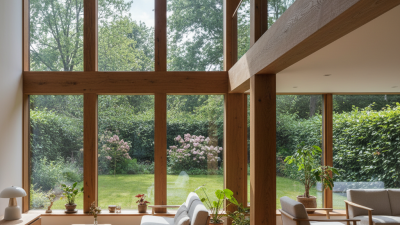
Consider the architecture of your home. A modern home may benefit from sleek, minimalist designs, while a traditional home might look best with ornate details. Color choices also play a significant role. Darker shades can add a statement, while lighter tones may create a more airy feel. Choose finishes that complement your exterior.
Tips: Ensure proper sealing for energy efficiency. Consider the thickness of the wood; it affects insulation. Regular maintenance is essential for longevity. Use paints or stains to protect against the elements. Reflect on your choices carefully. It’s important to envision how the new windows will blend into your existing style.
2026 How to Choose Timber Casement Windows for Your Home?
| Feature |
Option 1 |
Option 2 |
Option 3 |
| Material Type |
Softwood |
Hardwood |
Engineered Wood |
| Style |
Traditional |
Contemporary |
Classic |
| Finish |
Painted |
Stained |
Natural |
| Glazing Option |
Single Glazing |
Double Glazing |
Triple Glazing |
| Opening Style |
Outward Opening |
Inward Opening |
Tilt & Turn |
| Energy Efficiency |
Standard |
Low-E |
Passive House |
Evaluating Energy Efficiency and Insulation Properties
When selecting timber casement windows, energy efficiency and insulation properties are crucial.
Windows are a significant factor in home energy loss. According to the U.S. Department of Energy, up to 30% of heating energy can escape through inefficient windows. Choosing well-insulated timber windows can drastically reduce this loss, improving your home’s overall efficiency.
Look for windows with a low U-value. A lower U-value indicates better insulation performance. Industry standards suggest a U-value of less than 0.30 for optimal energy efficiency in most climates. Double-glazed options typically provide superior insulation compared to single-glazed ones. Moreover, insulation materials within the frame should also be considered. Some timber frames use advanced insulation techniques that further increase energy retention.
While timber windows offer aesthetic appeal, they require regular maintenance. Neglect can lead to rot or deterioration, compromising insulation properties. Regular inspections and sealing help maintain energy efficiency. The choice of wood species can also impact both durability and insulation value. In some cases, you may need to reflect on trade-offs between initial costs and long-term savings. Making informed decisions can ensure your home remains comfortable and energy-efficient.
Maintenance Tips for Timber Casement Windows in Your Home
Timber casement windows add character to your home. However, keeping them in good condition requires regular maintenance. Moisture can be a major enemy, leading to rot and decay. Make it a habit to inspect the seals and frames for signs of water damage. If you spot any issues, address them immediately to prevent further problems.
Cleaning is essential for timber windows. Use a soft cloth and mild soap to remove dirt. Avoid harsh chemicals that could damage the wood. While you maintain the frame, don't overlook the hinges. They should be lubricated regularly to ensure smooth operation. Check them for rust or wear, as this can affect functionality.
Paint or stain the windows every few years to protect the wood. This layer acts as a barrier against the elements. Choose a quality product suited for outdoor use. Sometimes, you might need to sand down the surfaces to prep them. This step can feel tedious but is necessary for a good finish. Regular maintenance doesn't eliminate the need for reflection on possible upgrades in energy efficiency. Balancing aesthetics and practicality is key.
2026 Timber Casement Windows Maintenance Overview