Best Timber Frame Windows for Energy Efficiency and Style?
When considering energy efficiency and aesthetic appeal, Timber Frame Windows stand out. These windows combine natural materials with modern engineering. They provide excellent insulation, reducing energy costs while enhancing the home’s exterior.
Choosing the right Timber Frame Windows can be challenging. There are multiple styles and finishes available. Homeowners must reflect on their needs, such as climate conditions and personal taste. This process is essential to ensure optimal performance.
Timber Frame Windows are not just functional; they also offer unique design elements. Their ability to blend with various architectural styles makes them a popular choice. It is crucial to balance efficiency with style, ensuring longevity and satisfaction in the selection.
Understanding Timber Frame Windows and Their Benefits
Timber frame windows are gaining popularity due to their unique blend of energy efficiency and aesthetic appeal. A recent study by the National Fenestration Rating Council (NFRC) reported that high-performance timber frame windows can reduce heat loss by up to 35%. This figure is significant for homeowners concerned about energy bills and environmental impact.
The benefits of timber frame windows extend beyond energy savings. These windows provide excellent insulation and can help maintain a consistent indoor temperature. Additionally, timber's natural beauty enhances a home's exterior, offering an inviting atmosphere. Research shows that homes with quality timber features can see an increase in property value by as much as 10-15%. However, it’s essential to consider factors like maintenance and potential weathering.
Choosing the right timber frame window requires careful thought. Not all timber is created equal. Some species may warp or fade over time. It's important to research the longevity and treatment options available. Proper installation is also crucial, as poor sealing can lead to energy losses, countering the benefits. Balancing style and efficiency takes a thoughtful approach, with consideration for both aesthetics and practical needs.
Best Timber Frame Windows for Energy Efficiency and Style
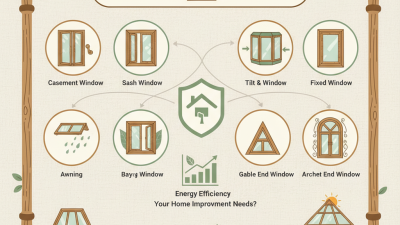
| Window Type |
Energy Efficiency Rating |
Style Options |
Material Options |
Average Cost ($) |
| Casement Windows |
Energy Star Rated |
Modern, Classic |
Wood, Composite |
300 - 600 |
| Double Hung Windows |
Energy Star Rated |
Traditional, Colonial |
Wood, Vinyl |
400 - 800 |
| Sliding Windows |
Efficient |
Contemporary, Minimalist |
Wood, Aluminum |
350 - 700 |
| Bay Windows |
Very High Efficiency |
Victorian, Arts & Crafts |
Wood, Fiberglass |
800 - 1500 |
| Awning Windows |
Energy Star Rated |
Modern, Open Air |
Wood, Vinyl |
350 - 650 |
Key Features of Energy Efficient Timber Frame Windows
Energy-efficient timber frame windows are gaining traction among homeowners focused on sustainability and aesthetics. According to the U.S. Department of Energy, windows account for 25% to 30% of residential heating and cooling energy use. Selecting windows designed for energy efficiency can lead to significant savings on energy bills and a reduced carbon footprint.
One crucial feature to consider is the glazing type. Double or triple glazing significantly improves thermal insulation. A study by the National Fenestration Rating Council indicates that triple-glazed windows can reduce heating costs by up to 20%. Additionally, low-emissivity (Low-E) coatings minimize heat transfer while allowing light to penetrate. This can enhance comfort and reduce glare without compromising visibility.
Another consideration is the frame material. Timber frames offer natural insulation, outperforming many synthetic options. While wood might require more maintenance, its thermal efficiency is unparalleled. Moreover, timber windows can be aesthetically pleasing, allowing for intricate designs and customizations. However, not all timber frames are created equal; their insulating properties can vary significantly. It's essential to choose the right types of wood and finishes to maximize performance and durability. Some homeowners may find the upfront costs daunting, but the long-term benefits often outweigh initial investments.
Stylish Designs and Aesthetics of Timber Frame Windows
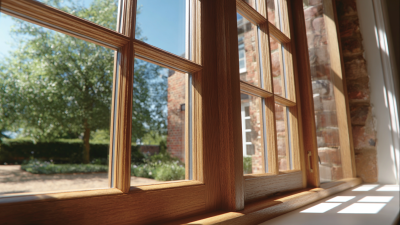
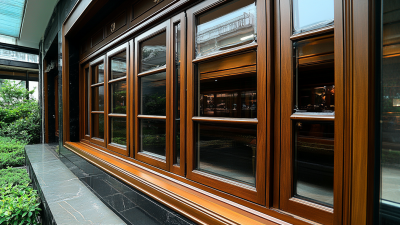
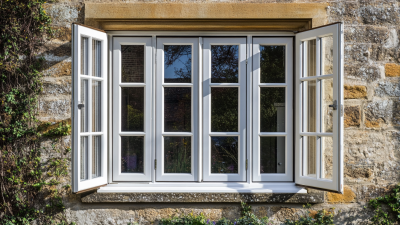
Timber frame windows offer a unique blend of style and energy efficiency. Their natural warmth and organic look can enhance any home. The wooden frames provide a classic touch, complementing both traditional and modern designs. You’ll find various styles, from sleek casement windows to charming double-hung varieties. Each style can significantly influence the overall aesthetic of your home.
When choosing timber frame windows, consider different finishes. Stains can showcase the wood's grain, while paint can add a pop of color. These customizations allow homeowners to match their windows to the home's existing décor effortlessly. Pay attention to the hardware choices as well. Stylish handles and locks can elevate a window’s appeal and functionality.
Tip: Always opt for high-quality timber to ensure durability. Quality wood can resist warping and enhance energy efficiency. Regular maintenance, like painting or sealing, can prolong the life of these windows, keeping their beauty intact. Have a plan for occasional touch-ups to maintain their aesthetic appeal. These thoughtful choices make a substantial difference in sustaining both style and performance.
Comparing Timber Frame Windows to Other Materials for Efficiency
When comparing timber frame windows to other materials, energy efficiency stands out. Timber windows tend to have better insulation properties. They naturally resist heat loss, making homes warmer in winter. This leads to a reduction in heating costs. However, it's important to note that not all timber windows are created equal. The quality of the wood and craftsmanship can significantly impact performance.
On the other hand, materials like vinyl and aluminum offer different benefits. They are low-maintenance and often cheaper upfront. Yet, they can compromise on energy efficiency. Poor insulation in these materials might lead to higher energy bills over time. Reflecting on these differences, it becomes evident that the choice of material affects long-term efficiency.
Additionally, aesthetic appeal is crucial. Timber windows provide a classic, warm look that synthetic options struggle to imitate. However, timber requires more upkeep. Regular maintenance is essential to prevent rot and preserve appearance. This maintenance aspect might deter some homeowners. Balancing the beauty and performance of timber with practicality and cost is a personal choice.
Tips for Selecting the Right Timber Frame Windows for Your Home
When selecting timber frame windows for your home, consider energy efficiency and aesthetics. Energy-efficient windows can reduce heating and cooling costs. Look for windows with a high energy rating. Proper insulation in the frames also plays a crucial role. This detail can significantly impact your home’s comfort levels.
Aesthetic appeal is another important factor. The style of timber frame windows should complement your home’s architecture. Choose a finish that enhances the overall look. Natural wood grain can add warmth, while a painted finish can offer a modern touch. Be aware of your climate. Some finishes may require more maintenance than others in harsh weather.
Installation is critical. Improperly installed windows can lead to air leaks. This may negate energy savings. Consider hiring professionals for precision. Evaluate your needs realistically. Think about the long-term implications of your choices. The right windows are an investment in both style and sustainability.