Why Choose Timber Windows for Your Home Upgrade?
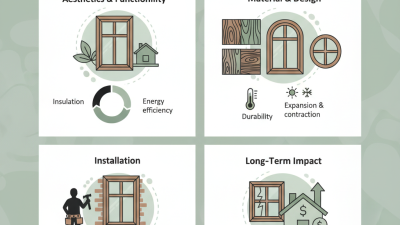
Timber Windows offer an elegant and sustainable option for home upgrades. According to a report by the National Wood Window Association, timber windows can improve energy efficiency by up to 30%. This statistic underscores their value, particularly in a world focused on reducing carbon footprints. Timber is not only aesthetically pleasing but also provides excellent insulation.
Expert remarks from renowned architect John H. Williams reinforce the advantages of timber. He states, “Timber windows connect homes with nature while enhancing architectural beauty.” His insight highlights the dual benefit of aesthetic appeal and environmental sustainability.
However, the choice isn't without considerations. Timber requires maintenance and care. Homeowners should reflect on their commitment to upkeep. An informed decision regarding Timber Windows can enhance both the value and comfort of a home. These windows represent a blend of modern efficiency and timeless beauty.
Benefits of Choosing Timber Windows Over Other Materials
Timber windows offer a compelling choice for homeowners considering an upgrade. They bring a warmth and aesthetic appeal that synthetic materials often lack. According to the Forest Products Laboratory, well-maintained timber can last up to 60 years or longer. This longevity makes timber windows a sustainable option, reducing the need for frequent replacements.
In addition to durability, timber windows provide excellent insulation. A report from the U.S. Department of Energy indicates that proper installation of these windows can lead to energy savings of up to 25%. This efficiency not only lowers your energy bills but also contributes to a smaller carbon footprint. Despite these advantages, some may worry about maintenance. Regular upkeep is essential, yet many find that the enduring beauty of timber justifies the extra effort.
Aesthetic versatility is another important consideration. Timber windows can be customized easily to match various architectural styles. From traditional homes to modern designs, they adapt well. Still, it’s crucial to weigh the initial cost against long-term benefits. While timber windows might be pricier upfront, the return on investment through energy savings and increased property value is often significant. Making an informed choice can lead to lasting satisfaction.
Why Choose Timber Windows for Your Home Upgrade? - Benefits of Choosing Timber Windows Over Other Materials
| Benefit |
Timber Windows |
Aluminium Windows |
uPVC Windows |
| Aesthetics |
Natural beauty and warmth |
Modern and sleek, but less warmth |
Simple and functional design |
| Energy Efficiency |
Excellent insulation properties |
Good, but can conduct heat |
Good insulation, can warp |
| Durability |
Long-lasting with proper maintenance |
Very durable, resistant to rust |
Less durable, can degrade over time |
| Environmental Impact |
Sustainable if sourced responsibly |
High energy to produce |
Not biodegradable |
| Maintenance |
Requires periodic painting or staining |
Low maintenance needed |
Very low maintenance |
Aesthetic Appeal of Timber Windows in Modern Home Design
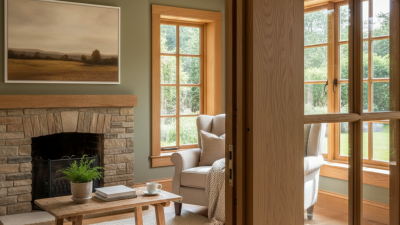
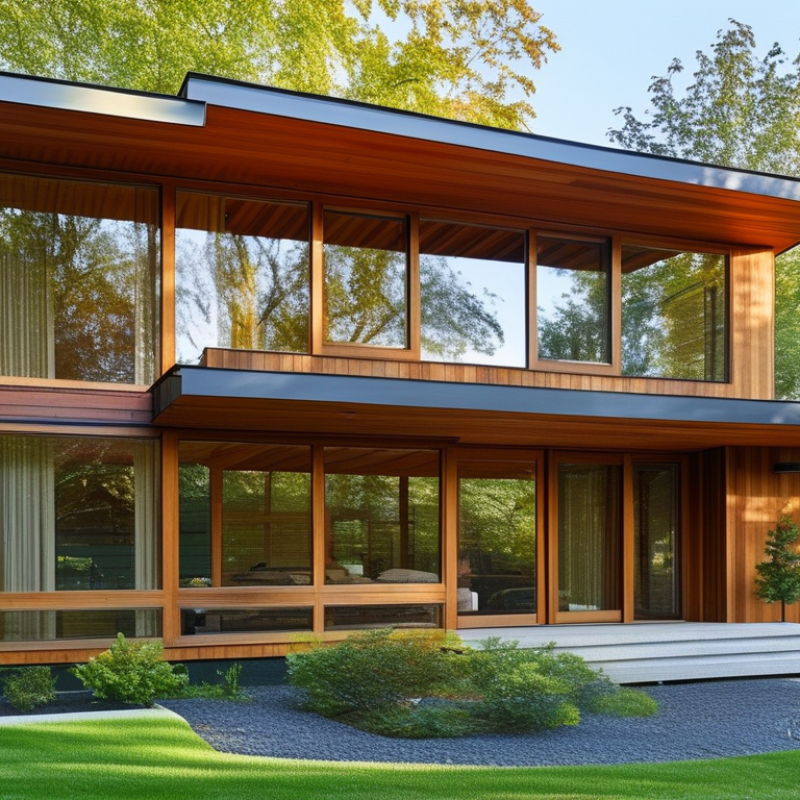
Timber windows add a unique charm to modern homes. They blend natural beauty with functionality. Timber has an inherent warmth that other materials simply cannot replicate. This aesthetic appeal makes any home feel welcoming. The grain patterns and rich colors of timber create a visually stunning addition to both interiors and exteriors. Each window is a piece of art, reflecting craftsmanship and attention to detail.
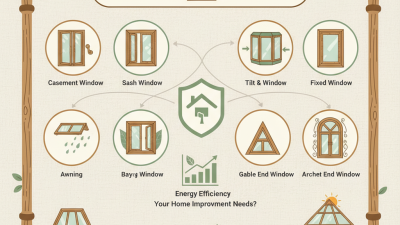
In contemporary design, timber windows stand out. They can be crafted in various styles, from sleek and modern to classic and rustic. Pairing them with large glass panels allows for an abundance of natural light. This combination enhances the feel of spaciousness within the home. However, proper maintenance is necessary to preserve their beauty. Homeowners may need to confront issues like warping or fading. Regular oiling and sealing can help maintain their integrity while keeping them looking fresh.
Timber windows may require a higher upfront investment compared to alternatives. Yet, many find their visual appeal and longevity are worth the cost. The character they bring to a home is unmatched, making them a popular choice for many seeking both beauty and durability.
Energy Efficiency and Insulation Properties of Timber Windows
Timber windows are increasingly recognized for their superior energy efficiency and insulation properties. According to the Efficient Windows Collaborative, properly installed timber windows can reduce energy loss by up to 25%. This is primarily due to the natural insulating qualities of wood, which help maintain consistent indoor temperatures.
In colder climates, timber windows perform exceptionally well. A study by the Forest Products Laboratory highlights that wood has an R-value, a measure of thermal resistance, significantly better than many synthetic materials. Despite these advantages, some homeowners may overlook timber windows due to concerns about maintenance. While they do require periodic care, the long-term energy savings can outweigh these needs. Choosing proper finishes and treatments can extend their lifespan and enhance performance.
Additionally, the aesthetics of timber windows can directly impact energy efficiency. Well-designed frames help eliminate drafts, further enhancing insulation. In reality, not all timber windows are created equal. Homeowners must assess quality and installation practices. Inadequate installation can diminish performance. Ultimately, understanding these factors can lead to better decisions for energy-efficient home upgrades.
Durability and Longevity of Timber Windows Compared to Alternatives
When considering home upgrades, timber windows stand out for their exceptional durability and longevity. Research has shown that well-maintained timber windows can last over 50 years, significantly outlasting alternatives like uPVC or aluminum, which average around 20-30 years. This longevity is partly due to timber's natural resistance to warping and cracking when properly treated.
A report from the Forest Stewardship Council highlights that timber boasts a lower carbon footprint than synthetic alternatives, which may degrade faster in harsh environments. However, it’s essential to note that timber requires regular maintenance. Without proper care, including sealing and repainting, wood can succumb to moisture and pests over time. This aspect might deter some homeowners, but the investment in upkeep pays off in the long run.
While alternative materials may seem appealing due to their lower initial cost, the total lifecycle cost of timber windows is often more favorable. A study by the National Association of Home Builders indicates that homeowners might save 20% to 25% over the life of the product through the superior durability of quality timber windows. Therefore, choosing timber is not just a nod to aesthetics; it’s a decision rooted in long-term value.
Maintenance Considerations for Timber Windows in Home Upgrades
Timber windows have a unique appeal that enhances the aesthetic of any home. However, maintaining them is a crucial aspect of their longevity. Regular upkeep is necessary to prevent issues like rot and warping. According to a report by the Timber Research and Development Association, untreated timber can deteriorate significantly within five years if exposed to moisture and harsh conditions.
Proper maintenance involves periodic painting or staining. This not only enhances their visual appeal but also adds a protective layer. Homeowners should check the seals and frames regularly to avoid air leaks. A study from the Energy Saving Trust indicates that well-maintained timber windows can improve a home's energy efficiency by up to 30%.
Moreover, let's address some challenges. Timber windows can be susceptible to insect infestations. Regular inspections and treatments are essential to tackle this issue. Some homeowners may find the maintenance routines daunting. However, investing time in care can lead to longer-lasting benefits. While the initial cost is higher than uPVC options, the aesthetic charm and potential savings on energy bills create a compelling case for choosing timber windows.
Why Choose Timber Windows for Your Home Upgrade?
This chart compares the benefits of Timber Windows against Vinyl Windows in terms of maintenance frequency, longevity, energy efficiency, and aesthetic appeal. Timber windows require more maintenance but offer greater longevity and aesthetic value, making them a popular choice for home upgrades.