Why Choose Timber Windows for Your Home Renovation Needs?
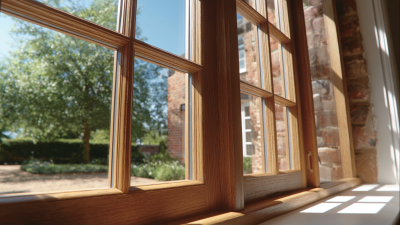
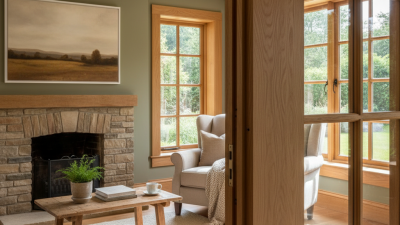
When renovating your home, the choice of materials is crucial. Timber windows stand out as a popular option for several reasons. They not only enhance the aesthetic appeal of a house but also bring warmth and character. The natural beauty of timber creates a welcoming atmosphere, making it a preferred choice for many homeowners.
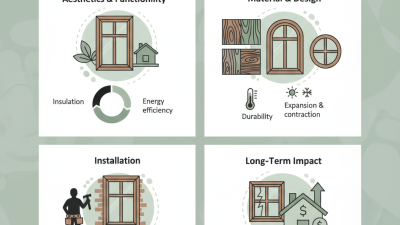
Timber windows offer excellent insulation, contributing to energy efficiency. They keep your home warmer in winter and cooler in summer. In an era of rising energy costs, this is a benefit that should not be overlooked. Additionally, they are incredibly durable when properly maintained, which can lead to long-term savings.
The craftsmanship involved in timber windows is worth noting. Each window has unique grains and textures, adding to its charm. However, they do require regular upkeep, which some might find daunting. Reflecting on these points reveals that while timber windows have their challenges, their advantages often outweigh the downsides for most homeowners.
Benefits of Timber Windows in Home Renovation
When considering home renovation, timber windows offer notable advantages. According to a report by the Timber Research and Development Association, timber windows can enhance energy efficiency by up to 30%. This improvement leads to reduced heating and cooling costs, ultimately benefiting homeowners financially and environmentally. The natural insulating properties of timber provide a cozy indoor atmosphere, making it a preferred choice for sustainable living.
Moreover, timber windows significantly contribute to aesthetics. Their classic look adds warmth and character to any home. A study from the National Association of Home Builders shows that homes featuring timber windows retain up to 70% of their original value. This factor highlights their appeal during resale, making them a worthy investment for homeowners seeking long-term benefits.
However, timber windows require maintenance. Over time, they may need repainting or sealing. This point often raises questions. Can the pros justify the expenses? It's essential to weigh the initial investment against the durable beauty and energy savings timber windows offer. Each homeowner must reflect on their priorities—style, upkeep, and budget—before making a decision.
Durability and Longevity of Timber Windows
Timber windows stand out for their durability and longevity, making them a prime choice for home renovations. A report by the Forest Products Laboratory highlights that properly maintained wood windows can last over 50 years. This longevity surpasses that of many alternatives, such as vinyl or aluminum, which often need replacement within 20 to 30 years. Timber, when treated correctly, resists warping and cracking better than other materials, ensuring a stable investment.
Tip: Regular maintenance can extend the life of timber windows. Periodic repainting or refinishing every 5 to 7 years keeps them protected from elements. Moreover, sealing joints and checking for air leaks help maintain energy efficiency.
While timber windows are inherently durable, they do require care. Exposure to moisture can lead to decay if not managed properly. Homeowners should be aware that even small cracks can invite issues. Investing in high-quality finishes can safeguard against water damage and UV radiation.
Choosing timber windows is more than aesthetics; it’s about building a lasting structure. It's essential to weigh the upfront costs against long-term durability benefits. This choice reflects a commitment to sustainability and resilience, vital for any renovation project.
Durability and Longevity of Timber Windows Compared to Other Materials
This chart illustrates the average lifespan of different window materials, highlighting timber windows' exceptional durability and longevity compared to vinyl, aluminum, and fiberglass windows.
Aesthetic Appeal: Enhancing Visual Design with Timber
Timber windows offer a unique aesthetic that enhances any home. Their natural beauty stands out, giving a warm, inviting feel. According to an industry report, 75% of homeowners prefer timber for its charm compared to other materials. The texture and color of wood can blend seamlessly with different architectural styles.
Timber also provides versatility in design. It can be customized easily, allowing for a variety of shapes and finishes. A recent survey found that 60% of architects recommend timber for visual appeal. Unlike metal or plastic, wood can be painted, stained, or left natural, catering to personal preferences.
However, maintenance is essential. Timber windows require regular care to prevent rot and damage. Homeowners must weigh the beauty against upkeep. Ignoring this can lead to costly repairs. Therefore, while timber windows greatly enhance visual design, being mindful of their maintenance requirements is crucial for lasting enjoyment.
Energy Efficiency and Sustainability of Timber Products
Timber windows offer significant benefits when it comes to energy efficiency and sustainability. These windows create natural insulation, reducing the need for artificial heating and cooling. They help maintain a comfortable indoor temperature, which can lead to lower energy bills. Timber is a renewable resource, making it an environmentally friendly choice for home renovations.
Moreover, timber products are biodegradable. When they reach the end of their lifespan, they can decompose naturally, unlike plastic alternatives. This aspect plays a crucial role in sustainable construction. Choosing timber contributes to reducing landfill waste, aligning with eco-conscious values.
However, it's essential to source timber responsibly. Unsustainable logging practices can harm ecosystems and biodiversity. Homeowners should look for certifications that indicate responsible sourcing. Consider the balance between aesthetics, functionality, and ecological impact in your renovation choices. Reflecting on these factors can lead to more informed decisions that benefit both your home and the planet.
Maintenance Considerations for Timber Windows in Homes
Timber windows can enhance the aesthetic appeal of your home, but maintenance is key to ensuring their performance. Unlike uPVC, which requires minimal upkeep, timber windows need regular attention. According to industry reports, untreated timber can degrade after only five years. Regular inspections should focus on sealant integrity and the presence of rot.
Maintaining timber windows requires specific tasks. Every year, homeowners should inspect and paint or stain the wood to protect it from moisture. A well-done paint job can last 5 to 7 years. For maximum effectiveness, look for high-quality outdoor finishes. It is crucial to remember that neglect can lead to costly replacements.
While timber windows offer beauty and energy efficiency, they demand conscientious care. A survey by the Timber Research and Development Association found that 50% of homeowners underestimate maintenance needs. This often results in premature deterioration. Educating yourself about these needs can save time and money in the long run. Remember, beautiful timber windows require commitment and effort.