Choosing the best Clad Windows in China starts with understanding what the product must do in your specific project. Clad windows combine materials, often pairing a protective exterior with a different interior frame. That outer layer may help resist weather, but it does not guarantee lasting performance by itself. Climate, building exposure, frame design, glass specification, and installation all matter. A coastal home facing wind-driven rain has different needs from an apartment in a dry inland city. Small details count. Check how corners are joined, how drainage works, and whether hardware feels secure during operation. Ask suppliers for clear product specifications and test documentation that matches the exact window series being quoted. Generic certificates are less useful.
China has a broad window manufacturing market, so comparing suppliers takes more than reviewing catalog photos or unit prices. Look for consistent answers about materials, production tolerances, finish options, packaging, lead times, and after-sales support. Request samples where practical, and confirm that the proposed configuration suits your project’s climate and opening sizes. Installation deserves equal attention; even a well-made frame can underperform if it is poorly fitted or sealed. A supplier may describe a product as premium, but the evidence should be specific and verifiable. There is no single best choice for every buyer. It is easy to focus on the cladding and overlook the glass or installer. That is a real risk. This guide outlines the key questions to ask before selecting Clad Windows in China, helping you compare options with a clearer view of performance, value, and potential trade-offs.
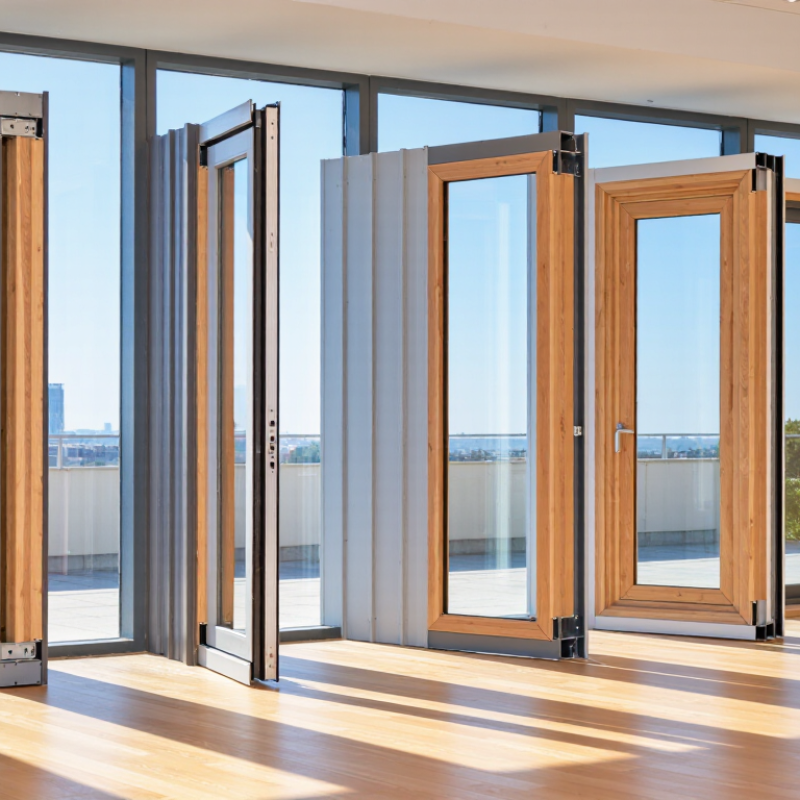
Clad windows combine an interior frame with a protective exterior layer. Aluminum-clad wood is common: wood forms the interior sash and frame, while shaped aluminum covers exposed exterior surfaces. Vinyl-clad wood uses a similar arrangement, with a polymer skin instead. Some products use composite or fiberglass frames, so “clad” does not always mean the same construction. Ask for a cross-section drawing, not just a finish sample.
Details matter. Look for continuous seals, clear drainage paths, and secure joints where the cladding meets the frame. These help manage rain and reduce air leakage, but poor installation can undermine even a well-built unit. I have seen attractive samples hide awkward corner joints; that deserves a closer look.
The U.S. Department of Energy’s Energy Saver guidance estimates that windows account for 25–30% of residential heating and cooling energy use.
Compare whole-window U-factor and solar heat gain coefficient, not glass alone. NFRC ratings provide a standardized comparison, though they do not replace climate-specific advice for a Chinese project. Check the actual rated size and glazing option. Small details count.
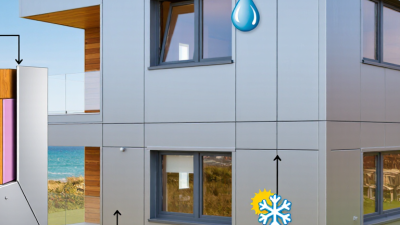
How to Choose the Best Clad Windows in China?
Assessing Climate, Materials, and Design Requirements in China
China’s climate changes sharply across regions. Northern cities face freezing winters, while southern areas often bring humid summers, heavy rain, and strong sun. Coastal projects also need to consider salt-laden air and wind-driven rain. A window suited to Beijing may not suit Shenzhen. The detail matters.
The International Energy Agency’s Global Status Report for Buildings and Construction 2024 reports that buildings used 32% of global energy in 2022 and produced 34% of energy- and process-related carbon emissions. That makes window performance worth careful attention, though a good window cannot fix poor installation. Compare whole-window thermal performance, air leakage, water resistance, and tested wind resistance—not glass specifications alone. In cold regions, insulated frames and low-emissivity glazing can reduce heat loss. In humid or coastal locations, durable exterior cladding, sound drainage paths, and corrosion-resistant hardware deserve closer review.
Clad windows combine an exterior protective layer, often aluminum, with an interior frame that may be wood or another material. Check how the cladding sheds water at corners and sill joints. Ask for test data under GB/T 7106-2019, China’s standard for air permeability, watertightness, and wind-load resistance. Then match the tested performance to the building’s height and exposure. I would not choose by frame material alone; installation quality and maintenance access can quietly decide how well the window performs years later.
Temperature patterns vary significantly across China. Cold winters in Beijing make thermal performance and airtightness important; Shanghai’s seasonal range calls for balanced insulation and solar control; Guangzhou’s hot, humid conditions make solar shading, durable finishes, and moisture management key considerations. Check local building requirements and site exposure when selecting a window system.
Monthly mean air temperatures are approximate, rounded climate averages in °C for representative cities; local conditions and climate normals may vary.
How to Choose the Best Clad Windows in China?
Comparing Energy Efficiency, Durability, and Performance
Energy performance depends on the whole window, not just the glass. Check the tested U-factor and solar heat gain coefficient (SHGC); a lower U-factor generally means less heat transfer, while SHGC should suit the local climate and orientation. The U.S. Department of Energy estimates that windows account for 25–30% of residential heating and cooling energy use. That figure describes U.S. homes, so it should not be applied directly to every Chinese building. Still, it shows why frame, glazing, seals, and installation deserve equal attention. Small details matter.
For durability, compare the exterior cladding, drainage design, corner joints, and finish. Ask for independent laboratory reports covering air leakage, water penetration, and structural performance, rather than relying on appearance or material claims. A coastal home facing wind-driven rain has different demands from an inland apartment. Check how the frame sheds water at the sill, and inspect sample joints for gaps. Not just glass.
Clad construction can protect a timber interior from weather, but the combination is only as reliable as its seals and workmanship. Request whole-window ratings from a recognized testing or rating program, such as NFRC, and confirm that the tested size and configuration match your order. A low U-factor can look impressive on paper; it may be a narrow win if solar gain, shading, or air leakage is ignored. I would also compare maintenance requirements in writing. Finish warranties and test results are useful, but they cannot predict every installation condition.
| Comparison Dimension | What to Look For | How It Affects Performance | How to Verify It |
|---|---|---|---|
| Frame construction | For aluminum-clad timber windows, check the timber frame, exterior aluminum cladding, drainage paths, and connection details. For other clad systems, identify the core material and how the exterior cladding is attached. | The core material and frame design influence insulation, strength, moisture management, and maintenance. Cladding protects the exterior but does not by itself establish the window’s overall performance. | Request cross-section drawings and written specifications for the complete frame system, including seals, drainage, and thermal-break details where applicable. |
| Whole-window U-factor | Compare the whole-window U-factor for the same size, glazing, and operating style. Lower U-factor means less heat transfer through the window. | A whole-window value accounts for the frame and edge effects as well as the glass. Glass-only figures cannot be used as a direct substitute. | Ask for a test report or calculation that identifies the complete window configuration, test method, and units. Do not compare figures reported in different units without conversion. |
| Solar Heat Gain Coefficient (SHGC) | Choose a value suited to the building’s climate, window orientation, shading, and heating or cooling needs. Lower SHGC admits less solar heat. | Solar heat can help in some heating-dominated situations, while limiting it can reduce unwanted heat gain in cooling-dominated conditions. The right value depends on the project. | Check the glazing build-up and the rated SHGC for the specified window. Confirm that the quoted value applies to the proposed glass and frame combination. |
| Glazing and spacer | Compare the number and thickness of glass panes, cavity width, low-emissivity coatings, gas fill if specified, and the edge spacer system. | Glazing choices affect heat transfer, solar gain, daylight, and condensation risk. A multi-pane description alone does not establish a particular energy rating. | Request a glass schedule that states the pane make-up, coating surface, cavity, spacer type, and performance values for the complete unit. |
| Air leakage | Look for a measured air-leakage result for the specified window type and size. Lower leakage generally indicates a tighter window under the stated test conditions. | Air leakage can affect drafts, comfort, and heating or cooling demand. Installation quality and perimeter sealing also affect real-world airtightness. | Request the test report and confirm its test pressure, specimen configuration, and units. For China projects, ask whether testing follows the applicable method in GB/T 7106-2019. |
| Water penetration and drainage | Check the tested water-penetration pressure, sill and frame drainage, corner joints, and compatibility with the building’s exposure conditions. | Water resistance depends on the complete window design and installation. Exterior cladding alone does not guarantee a watertight assembly. | Request a water-penetration test report for the relevant product configuration and installation details. GB/T 7106-2019 includes test methods for watertightness. |
| Wind-load resistance | Match the tested wind-pressure performance to the building height, location, exposure, window dimensions, and project design requirements. | Frame reinforcement, hardware, glazing, and fixing details all contribute to structural performance; results for one size or configuration may not apply to another. | Ask for the structural test report and confirm specimen size and configuration. GB/T 7106-2019 includes test methods for wind-pressure resistance. |
| Exterior durability and maintenance | Review cladding material and finish, corrosion protection, drainage, seal replacement access, and care instructions. Consider local coastal, humid, or high-UV exposure. | Exterior exposure can affect finishes, seals, and hardware. Maintenance needs vary by material, coating, climate, and installation; no cladding type is maintenance-free in every setting. | Request finish and corrosion-resistance documentation, warranty terms, cleaning guidance, and details on replacement of weather seals and hardware. |
| Installation and warranty | Check opening measurements, fixing method, perimeter air and water seals, sill flashing, installer responsibilities, and separate product and installation warranty terms. | Poor installation can undermine the window’s tested performance and may lead to drafts or water intrusion, even when the product itself meets its stated specifications. | Require a project-specific installation specification, inspection checklist, and written warranty covering the product, finish, hardware, seals, and installation work. |
Comparison note: Window performance depends on the complete tested configuration, including frame, glazing, size, hardware, and installation. Compare like-for-like test results and confirm that each report applies to the proposed project specification.
Choosing clad windows in China starts with the project’s performance needs, not a certificate logo. Check which Chinese GB standards apply to the window type and intended use. Ask for current test reports covering air leakage, water penetration, wind resistance, and thermal performance. The report should identify the tested model and configuration. A result for one glass or frame combination may not cover another. Details matter.
Review certifications alongside the evidence behind them. Confirm the issuing body, validity dates, and whether testing was performed by an accredited laboratory. For projects outside China, check the destination market’s requirements too; domestic compliance may not be enough. Assess the manufacturer’s quality controls, production records, and ability to reproduce the tested specifications. Request a physical sample. Inspect corner joints, cladding seams, drainage paths, and hardware operation. Ask how defects are recorded and handled. Paperwork can look neat while a production line varies, so verify rather than assume.
Tips: Compare reports against your exact order. Ask for a factory audit or recent inspection record. Keep approved drawings, sample details, and warranty terms together. One small gap in the documents can create a real installation problem.
How to Choose the Best Clad Windows in China?
Planning Installation, Warranty, and Long-Term Maintenance
Plan installation around the building’s drainage layer, not just the window opening. Ask the installer to show how sill flashing, insulation, and exterior sealant will handle wind-driven rain. In coastal areas, salt air can accelerate corrosion; inland, wide temperature swings may stress joints. The U.S. Department of Energy’s Energy Saver guidance estimates that heat gain and loss through windows account for 25–30% of residential heating and cooling energy use. This is a U.S. benchmark, not a China-specific prediction, but it shows why careful fitting matters. A small gap can undo a good specification.
Tips: Get the warranty in writing before ordering. Check whether it covers the frame, glass, hardware, finishes, labor, and water leakage—and note exclusions and claim deadlines. Confirm who handles service if the installer changes. Keep a dated record of the installation and product details. Annual checks help. Clear drainage openings, inspect seals for cracks, and look for loose handles or cladding damage after heavy rain. Use mild soap and water unless the care guide says otherwise. Honestly, maintenance is easy to postpone; a calendar reminder works better than good intentions.
Leave time for a site inspection after installation. Open and close every sash, then check for smooth operation and visible daylight around the frame. Ask the contractor to document any adjustments. One missed detail can happen, so record it before the crew leaves.