Leave Your Message

Who Are the Top Metal Clad Windows Suppliers in 2026?

Metal Clad Windows combine a warm interior—often wood—with an exterior metal shell built to face weather. In 2026, choosing a supplier takes more than comparing profile photos or brochure claims. Buyers should examine verified product specifications, local service, installation guidance, warranty terms, and evidence of tested performance. Small details matter. A corner sample can reveal finish quality; a shop drawing can show whether drainage and flashing have been considered.

Building-science expert Joseph Lstiburek is often associated with the concise reminder, “Water is lazy.” That principle is useful when evaluating window systems: ask how water drains, how joints are sealed, and how the assembly connects to the wall. A premium frame cannot fix poor installation. Nor does a long warranty tell the whole story.

This guide compares leading suppliers through practical questions, not a one-size-fits-all ranking. It considers material options, customization, energy-performance documentation, lead times, support, and suitability for different project types. A coastal renovation may need different finish choices from a cold-climate new build. Details vary.

No shortlist is perfect. Availability and service can change by region, and published specifications do not guarantee results on every jobsite. Treat each supplier’s claims as a starting point, then confirm current documentation and discuss project conditions with qualified design and installation professionals. The strongest choice is the one that fits the building, the budget, and the people who will maintain it.
Who Are the Top Metal Clad Windows Suppliers in 2026?

What Are Metal-Clad Windows and How Are They Made?

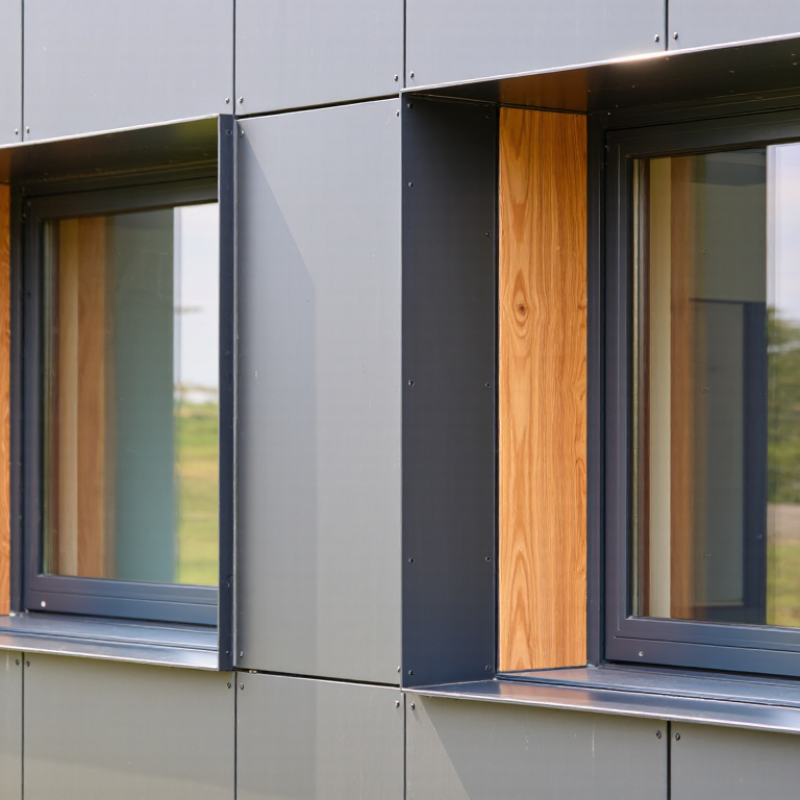
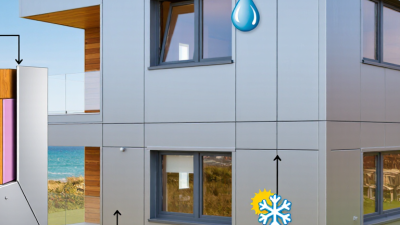
Metal-clad windows combine an inner frame, often wood, with a protective outer layer, commonly aluminum. The wood can provide a warm interior finish and useful insulation. The exterior cladding helps shield the frame from rain, sun, and daily wear. It is not a maintenance-free shield.

Manufacturing begins with accurately cut frame components and sealed joints. The cladding is shaped to fit the exterior, then attached with room for expansion and drainage. Glass units are fitted with appropriate seals, while hardware and frame corners are checked for alignment. Details vary by design. Small gaps matter: trapped water can damage the underlying frame over time. Performance also depends on glass choice, installation, and local exposure—not cladding alone.

Tips: Inspect corner joints, drainage paths, and finish quality before choosing a unit. Ask how the frame handles water and temperature changes. Match the window to the wall opening, and use careful flashing during installation. Even a well-made window can underperform if water cannot escape.
How Are Metal-Clad Window Suppliers Evaluated in 2026?

In 2026, assess suppliers by verified performance, not brochure claims. The U.S. Department of Energy’s Energy Saver guidance estimates that heat gain and loss through windows account for 25–30% of residential heating and cooling energy use. That makes measured performance important. Compare independently certified NFRC U-factor and solar heat gain coefficient ratings for the same product size and glazing package. Ask for test reports covering air leakage, water penetration, and structural pressure under the applicable NAFS standard. A low U-factor alone does not prove that a window will resist wind-driven rain or operate smoothly after installation.

Then examine how the supplier handles the metal exterior and interior wood interface. Request details on cladding thickness, corner seams, drainage paths, finish testing, and warranty exclusions. Ask for project references in a similar climate, plus written installation instructions and service response times. ENERGY STAR’s residential window criteria also vary by climate zone, so confirm that quoted ratings suit the project location rather than relying on a single national claim. Site workmanship still matters. Even a well-tested unit can leak when flashing or sill drainage is poorly executed. Supplier comparisons are not perfectly tidy; published test results may cover a different size or configuration than the window being quoted.

Who Are the Leading Metal-Clad Window Suppliers in 2026?

In 2026, leading metal-clad window suppliers are not defined by glossy catalogs alone. They combine tested thermal performance with durable exterior cladding and practical installation guidance. A strong supplier can explain how metal skins protect a wood interior from rain and sun. Ask for performance data, warranty terms, finish options, and clear maintenance instructions. Details matter. Check whether corner joints, drainage paths, and glazing choices suit the project’s climate. No single specification fits every opening.

Leading suppliers also make coordination practical through accurate shop drawings, sample corners, lead-time updates, and support when site dimensions shift. Request references for projects with similar exposure, building type, and window size. Review test reports where available, and confirm that quoted values apply to the exact configuration—not a similar model. A thin metal cap may look crisp, yet weak detailing can invite water or condensation problems. Ask who handles field questions after delivery. This part is easy to overlook. Compare quotes line by line; hardware, screens, and installation responsibilities may differ. Even careful buyers miss something. I would still request a full-size sample before approving a large order, because color and sightlines can feel different in actual daylight.

Who Are the Top Metal-Clad Windows Suppliers in 2026?

Use this specification-based checklist to compare suppliers. It focuses on verifiable product documentation rather than brand rankings; performance and availability vary by product, size, glazing, and market.

Comparison dimension What to request from each supplier Relevant standard or reference How to compare offers
Frame and cladding construction Written material and section details showing the interior frame, exterior metal cladding, finish, and how the cladding is attached and drained. Product drawings and the supplier’s published technical documentation. Compare the complete assembly and detailing, not just the exterior metal layer. Confirm that the proposed construction suits the project’s exposure and maintenance requirements.
Air leakage Test results for the specific product line and configuration, including the tested size and operating style. ASTM E283, a laboratory method for measuring air leakage through exterior windows, doors, and curtain walls under specified pressure differences. Compare reported results using the same units and test conditions. Do not treat a test method as a performance rating or assume every size has the same result.
Water penetration resistance Test pressure, specimen details, and test report for the proposed window configuration. ASTM E331, a laboratory method for water penetration testing of exterior windows, doors, skylights, and curtain walls by uniform static air pressure difference. Check that the tested pressure and specimen are appropriate for the project. Confirm installation and flashing requirements separately.
Structural performance Design-pressure or structural test documentation for the specified size and configuration. ASTM E330/E330M, a test method for structural performance under uniform static air pressure difference. Match the documented performance to the project’s design requirements; do not compare pressure values without confirming test configuration and acceptance criteria.
Performance class and grade The applicable class, grade, and product designation for the window offered. NAFS: AAMA/WDMA/CSA 101/I.S.2/A440, the North American Fenestration Standard for windows, doors, and skylights. Verify the designation and applicable edition in the supplier’s documentation. The required class and grade depend on building type, location, and design conditions.
Thermal performance Whole-product U-factor and, where applicable, solar heat gain coefficient (SHGC) and visible transmittance (VT) for the quoted glazing and frame configuration. NFRC 100 for U-factor ratings; NFRC 200 for SHGC and visible transmittance ratings. Compare the same rating basis and configuration. Lower U-factor indicates less heat transfer; SHGC and VT should be selected for the climate and design goals.
Exterior metal finish Finish type, color options, care instructions, and applicable coating performance documentation. AAMA 2604 and AAMA 2605 are specifications used for architectural coatings on aluminum extrusions and panels. Confirm the coating specification and warranty conditions for the actual finish offered. These specifications do not, by themselves, establish the performance of the full window.
Product certification and labeling Current rating or certification documentation that identifies the product line and configuration being quoted. NFRC product ratings and applicable NAFS documentation, where available and required. Check that documentation corresponds to the proposed product, glazing, and operating style rather than a similar-looking model.
Installation and project support Installation instructions, approved flashing details, service contact process, and any project-specific submittals. Manufacturer installation documentation and the project’s adopted building code and specifications. Compare the completeness and project relevance of the submittals. Product test performance depends on correct installation and water-management detailing.
Warranty and service terms Written warranty terms covering the window components, finish, insulating glass, exclusions, and claim process. The supplier’s published warranty for the exact product and finish offered. Compare coverage, exclusions, duration, transferability, and service responsibilities directly; terms are product- and supplier-specific.

Note: This table is a neutral comparison framework, not a ranked list of suppliers. Request current test reports and written project-specific quotations before making a selection.

How Do Top Suppliers Differ in Products and Services?

Top metal clad window suppliers differ in how they balance exterior durability, interior character, and thermal performance. Some offer aluminum-clad wood frames, which pair a weather-resistant outer layer with a warm indoor finish. Others focus on steel or different frame constructions, with distinct sightlines and maintenance needs. Ask for section drawings, not just showroom samples. A narrow frame may look elegant, but it can affect glass area, hardware choices, and cost.

Service can matter as much as the product. Strong suppliers provide clear performance data, help check opening sizes, and explain which finishes suit coastal, rainy, or high-sun locations. They should also describe delivery schedules, installation requirements, and how warranty claims are handled. Request a written specification and a sample showing the actual finish. Small details count. One drawback is that custom options can make comparisons harder; quotations may describe similar features differently. I would compare tested ratings, included services, and realistic lead times side by side, while treating vague assurances as a reason to ask more questions.

What Should Buyers Consider When Comparing Suppliers?

When comparing metal clad window suppliers, look beyond frame material and advertised ratings. Ask for tested air leakage, water penetration, and structural performance for the specific window configuration you plan to buy. A large opening or unusual glazing may perform differently from a standard test unit. Small details matter. Request section drawings showing how the metal exterior, drainage paths, and interior frame connect. A sample corner can reveal finish quality, joint consistency, and how the cladding meets the glass.

Check whether the supplier can provide project-specific sizing, clear lead times, and replacement parts after installation. Ask how finishes are tested for color change and corrosion, especially if windows will face strong sun or coastal weather. Get written guidance on installation and flashing; even a well-made window can leak when the opening is prepared poorly. Ask for references from projects with similar exposure and building type. Compare warranty terms carefully, including exclusions for finish, glass, and labor. Paper ratings help, but they do not guarantee field results. That distinction is easy to overlook. A supplier’s responsiveness during technical questions can also indicate how smoothly coordination may go, though it is not proof of future service.