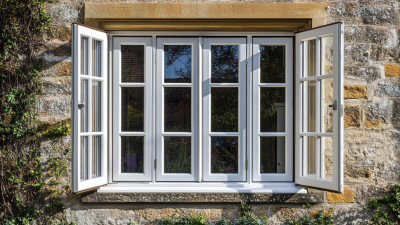
Choosing Timber Windows in 2026 requires more than comparing attractive frames and online prices. A well-made window should suit your home’s age, climate, ventilation needs, and daily routine. Oak may offer strength and a distinctive grain, while engineered softwood can provide stability and better value. The right choice depends on more than appearance. It depends on construction.
Look closely at the details. Check the timber source, moisture control, glazing system, paint finish, drainage channels, and hardware quality. Ask whether the frame uses laminated sections or solid timber throughout. These details affect movement, insulation, repairability, and service life. An experienced joiner or qualified installer should explain the installation method clearly. They should also provide performance information, maintenance guidance, and a realistic warranty.
No window is perfect.
Modern Timber Windows can achieve strong thermal performance when correctly designed and installed. However, even premium frames can fail when poor sealing, unsuitable glass, or careless fitting is involved. That assumption can fail. A beautiful sample may not reflect the finished result beside a cold, exposed wall. This guide examines practical selection criteria, including energy efficiency, durability, security, environmental impact, and long-term upkeep. It also questions common marketing claims, because low maintenance does not mean maintenance-free. Before ordering, compare specifications, inspect finished projects, and request written advice from reputable suppliers. Good decisions usually come from small details noticed early.
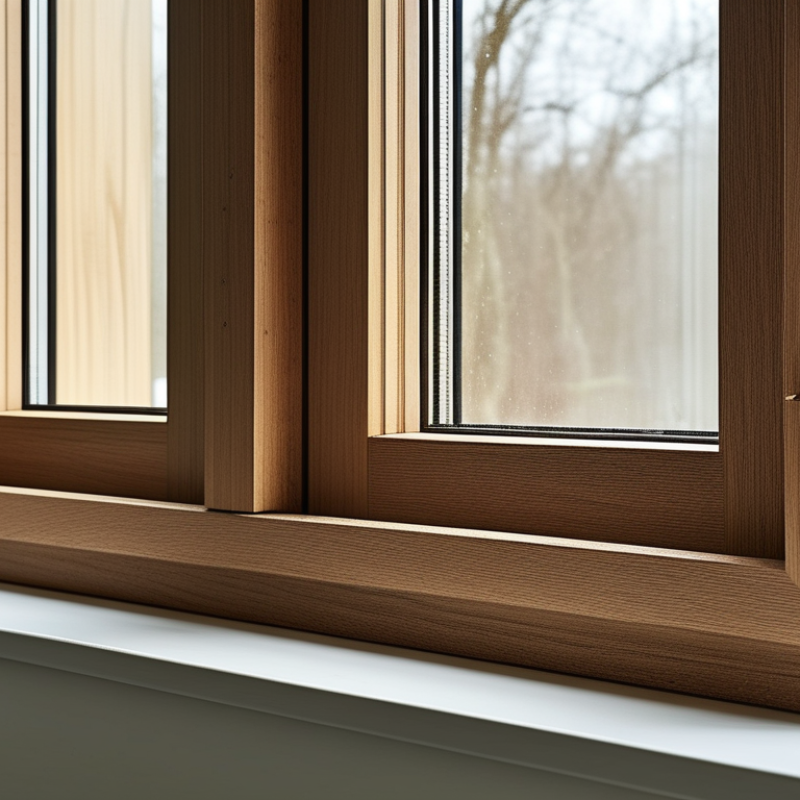
Choosing timber windows in 2026 starts with defining the project, not admiring a finish.
Record each room’s orientation, opening size, ventilation needs, and exposure to rain. A south-facing bedroom may need lower solar gain, while a shaded study may benefit from more daylight. Measure the existing frame carefully. Small errors can create costly installation problems.
Energy performance deserves evidence.
The U.S. Department of Energy’s Energy Saver guidance estimates that windows can account for 25–30% of household heating and cooling energy use.
Compare certified U-factor, solar heat gain coefficient, air leakage, and visible transmittance data. The National Fenestration Rating Council explains these ratings through standardized testing.
Timber also needs a moisture plan. Check drainage details, factory coatings, sill protection, and local humidity. I would not choose a window from thermal figures alone.
Tips:
Write three priorities before requesting quotations. For example: lower winter heat loss, reduced street noise, and minimal repainting.
Ask for whole-window performance, not glass-only values. Request installation drawings and maintenance intervals. A sample corner joint can reveal more than a glossy brochure.
Also question your assumptions. A highly efficient window may still disappoint if it opens poorly, blocks a radiator, or conflicts with conservation requirements.
Consider cleaning access, child safety, emergency egress, and delivery routes before approving the design.
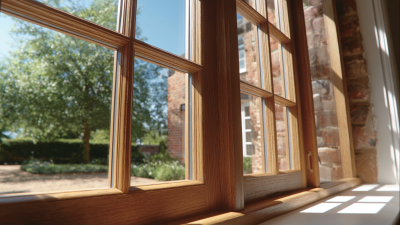
How to Choose Timber Windows in 2026?
Timber species affect stability, appearance, and maintenance. Pine is affordable and easy to machine, but it needs careful moisture protection. Larch offers better natural durability and a pronounced grain. Oak is dense, strong, and visually rich, yet it can move as humidity changes. Engineered timber often reduces this movement. It is not completely immune.
Grade matters as much as species. Clear-grade timber has fewer knots and a cleaner appearance. Select-grade timber may include small, sound knots. Lower grades can perform well when defects are properly controlled. Inspect the finger joints, laminations, and end grain. Large loose knots deserve caution. A perfect surface can still hide weak internal bonding.
Structural design should match the window size and glazing weight. Check frame depth, section thickness, drainage channels, and corner joints. Moisture content is critical. Timber installed too wet may shrink, twist, or open small gaps after winter heating begins. On site, installers often discover that poor alignment causes more trouble than the species itself. I would not choose from photographs alone.
Tips: Ask for the timber species, grade, moisture range, and laminated construction details. Request evidence of factory quality checks. Run a dry finger along the frame. It should feel smooth, not raised or brittle. Examine sample corners closely. Also, review the planned finish and maintenance interval for your local climate. These details are easy to overlook. That can become expensive.
Timber windows should be judged by measured performance, not appearance alone. The U.S. Department of Energy reports that windows can cause 25–30% of residential heating and cooling energy use. Ask for the complete window U-value, not only the centre-glass value. Lower values indicate better insulation. In colder regions, triple glazing may reduce heat loss, but it adds weight and cost. That trade-off matters.
Glazing also affects comfort beside insulation. Low-emissivity coatings, warm-edge spacers, and argon filling can improve thermal performance. The International Energy Agency highlights efficient windows as an important part of reducing building energy demand. Check the solar heat gain coefficient, too. South-facing glass may benefit from controlled solar gain, while west-facing glass can create uncomfortable afternoon heat. Bigger is not always better.
Weather testing deserves equal attention. Look for independently verified results under EN 12207 for air permeability, EN 12208 for watertightness, and EN 12210 for wind resistance. Poor installation can undermine excellent factory data. Small gaps around a frame become noticeable on a windy, rainy night. Timber also needs suitable coating, drainage, and inspection. A common mistake is trusting a thick frame without checking sill detailing. I have seen attractive windows perform badly because water had nowhere to escape. That detail deserves scrutiny.
Choosing timber windows starts with the building’s character, not a catalogue image. Traditional homes often suit sash, casement, or bay styles with narrow sightlines. Modern properties may benefit from large fixed panes and simple opening sections. Check how each window supports ventilation, daylight, cleaning, and emergency access. A beautiful design can become inconvenient when furniture blocks the handle.
Measure every opening carefully. Never assume two windows are identical. Allow space for installation tolerances, insulation, and future movement in the timber. Glazing size also affects heat loss, weight, and frame strength. Ask for documented U-values, drainage details, and evidence of compliance with local building requirements. These documents matter more than confident sales language.
Hardware should feel solid and remain easy to operate with wet or cold hands. Choose finishes that match the room, but inspect hinges, locks, seals, and restrictors before deciding. For exposed elevations, use durable coatings and plan regular inspections around joints and lower rails. Oiled timber may look warm, yet it usually needs more frequent maintenance than a painted finish. That trade-off is easy to underestimate. A sample can also mislead; daylight, wood grain, and surrounding colours change its appearance. Request a full-size finish sample where possible. Good choices come from comparing performance, maintenance, and style together, rather than chasing one perfect feature.
How to Choose Timber Windows in 2026?
Installation quality often matters more than the window specification. Check whether the installer follows BS 8213-4 and the applicable edition of BS 6375. These standards address installation practice, weather tightness, and operational performance. Ask for written evidence of drainage paths, sill support, frame anchoring, and perimeter sealing. Small gaps can create cold spots beside the frame.
The U.S. Department of Energy reports that windows can account for 25–30% of residential heating and cooling energy use. Therefore, compare U-values, solar heat gain, glass configuration, and whole-window performance. Do not judge insulation from centre-pane glass alone. A low U-value is useful, but ventilation still needs careful planning. Over-sealing an older building can expose hidden moisture problems.
Maintenance affects lifetime value. Inspect paint or protective coatings annually, especially at lower rails and exposed joints. Keep drainage channels clear. Repair damaged coating early, before water reaches the end grain. The Wood Window Alliance has reported service lives exceeding 60 years for well-maintained timber windows, but that figure is not guaranteed. Local weather, workmanship, and repair habits change the result. In practice, “low maintenance” is often an optimistic phrase. Timber still needs attention. Replacement cost should include access equipment, redecorating, hardware repairs, and future glazing changes. A slightly higher-quality installation may prove cheaper over decades. Industry guidance from the National Fenestration Rating Council also supports comparing complete window units, not isolated components.