Leave Your Message


Timber Windows can bring warmth, character, and lasting value to a home, but choosing them takes more than liking a frame’s colour. A honey-toned oak sample may look beautiful in a showroom, yet the finished window must also suit your climate, wall openings, and maintenance habits. Looks matter. Details matter more.
This guide explores ten practical points to consider before you buy, from timber species and glazing to finishes, security, and installation. It explains why certification and clear product specifications deserve attention, and why a low quote may not include every fitting or finishing task. Ask how the frames are treated, what upkeep the manufacturer recommends, and what the warranty actually covers. Small print is worth reading.
Good advice should help you compare options, not push you toward the most expensive frame. Think about how much sunlight reaches each elevation, whether rain collects on sills, and how often you can repaint or reseal exposed timber. Even careful planning has limits: workmanship, ventilation, and local weather can affect performance in ways a brochure cannot fully predict. That is worth remembering. With a few focused questions and realistic expectations, you can choose Timber Windows that fit both your home and your routine.
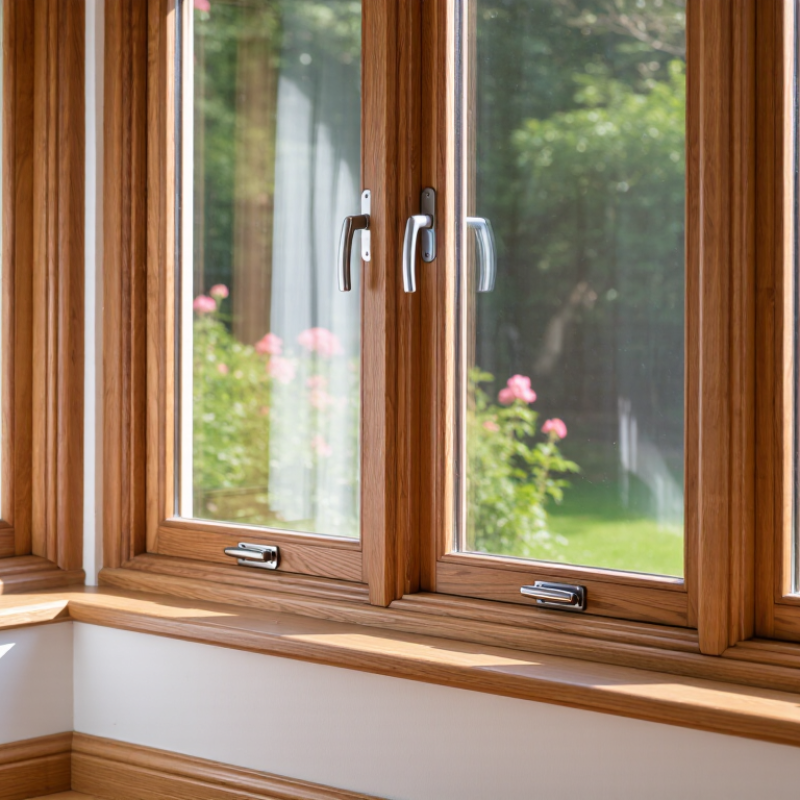
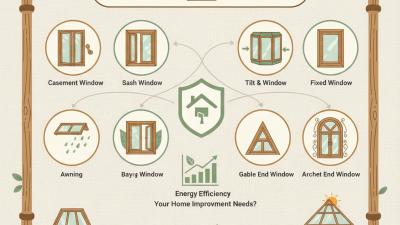
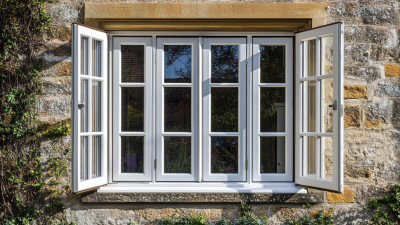
Timber window styles affect how a room works as much as how it looks. Casement windows swing open on hinges and can provide wide ventilation, but need clear space outside. Sash windows slide vertically, making them useful beside paths or patios. Tilt-and-turn designs offer flexible opening, though their hardware may need occasional adjustment. Fixed windows bring in light without ventilation. Choose by room use, not appearance alone.
Wood species also matter. Pine is relatively light and often more budget-friendly, but it needs a dependable protective finish. Oak is dense and strong, with a pronounced grain; its weight can require sturdier frames. Larch contains natural resins and is commonly used outdoors, yet its performance still depends on detailing and upkeep. Cedar is light and dimensionally stable, but its softer surface can mark more easily. No species is maintenance-free. Climate, paint or stain, and installation quality all shape long-term results.
Tip: Ask for a timber sample and check the frame’s joints, finish, and stated moisture content. Look closely at corners. A good-looking sample cannot reveal every installation detail, so ask how the window will be sealed and maintained. I would also compare the opening style with your cleaning routine; a beautiful sash may be awkward above a deep sill.
| Tip | What to Consider | Practical Guidance | Relevant Window Types or Wood Species |
|---|---|---|---|
| 1 | Choose a window type that suits the room and opening. | Casement windows hinge at the side and open outward or inward, depending on their design. Fixed windows do not open and are used where ventilation is not needed. | Casement; fixed |
| 2 | Understand how sash windows operate. | Traditional sliding sash windows move vertically; many use counterweights or spring balances. Check that the operating mechanism is accessible for adjustment and repair. | Sliding sash; single-hung; double-hung |
| 3 | Compare opening styles for ventilation and ease of use. | Tilt-and-turn windows can tilt inward for ventilation or swing inward for cleaning, subject to the specific hardware and design. Confirm that the opening direction works with nearby furniture and walkways. | Tilt-and-turn; casement; awning |
| 4 | Ask which wood species is used and where it comes from. | Wood properties vary within a species. Ask about the timber grade, origin, moisture control, and whether the wood is responsibly sourced. | European oak; Scots pine; Douglas fir; larch; meranti |
| 5 | Match the species to exposure and maintenance expectations. | Durability depends on the specific timber, its heartwood and sapwood content, detailing, finish, and exposure. No species eliminates the need for suitable protection and upkeep. | Oak and larch are commonly used exterior timbers; pine is often used with a protective coating system. |
| 6 | Check the construction, not just the species name. | Inspect joints, end-grain protection, drainage paths, and the quality of the finish. Engineered or laminated timber can help limit movement when properly manufactured and specified. | Solid timber; engineered or laminated timber |
| 7 | Compare glazing and whole-window performance. | Ask for the declared thermal performance of the complete window, not just the centre-pane glass value. Frame design, glazing, seals, and installation all affect overall performance. | Single, double, or triple glazing, where suitable for the climate and project |
| 8 | Check hardware, seals, and weather protection. | Look for securely fitted hinges or balances, replaceable weather seals, and effective drainage. Hardware material and finish should be appropriate for the installation environment. | Casement hardware; sash balances; compression seals; weather seals |
| 9 | Plan for finishing and ongoing maintenance. | Painted and stained finishes both need inspection and renewal when worn. Follow the supplier’s care instructions, paying particular attention to exposed surfaces and joints. | Painted finish; translucent stain; factory-applied coating |
| 10 | Verify measurements, installation requirements, and local rules. | Confirm opening sizes, reveal details, safety-glazing requirements, escape provisions, and any conservation or building regulations before ordering. Correct installation is essential to performance. | All timber window types and species |