Top Tips for Choosing Casement Windows for Your Home?
Choosing the right windows for your home can significantly impact energy efficiency and aesthetics. Casement windows, known for their hinged design, offer remarkable ventilation. According to the National Association of Home Builders, these windows are growing in popularity due to their superior air-tightness. Studies show that homes with casement windows can save up to 15% on energy costs compared to other window types.
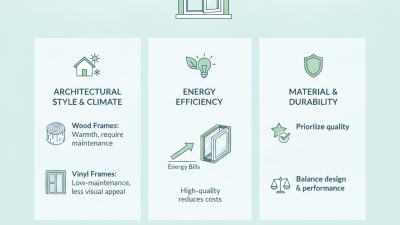
When selecting casement windows, consider the materials available. Vinyl, wood, and aluminum all have distinct benefits. Wood offers classic charm but requires maintenance. Vinyl is low-maintenance and energy-efficient but has limited design options. In contrast, aluminum is strong yet less insulating. Each choice affects the durability and long-term performance of your windows.
Many homeowners overlook the importance of proper installation. Even the best windows can fail if not installed correctly. Reports indicate that up to 30% of window issues stem from poor installation practices. This highlights the need for skilled, reliable professionals. In conclusion, investing time in understanding the features of casement windows is crucial for making an informed decision.
Understanding Casement Windows: Definition and Features Explained
Casement windows are a popular choice for many homeowners, known for their functionality and aesthetic appeal. These windows are hinged on one side and open outward, allowing for maximum ventilation. According to the American Architectural Manufacturers Association, about 50% of homes utilize casement windows due to their ease of use and energy efficiency.
One notable feature of casement windows is their ability to provide unobstructed views. Unlike double-hung windows, they do not have a central muntin, allowing more natural light to enter your home. This can enhance the overall ambiance of a space. However, it's important to consider the maintenance involved. Regular cleaning and occasional hardware checks are crucial to ensure their smooth operation.
Another aspect to ponder is their energy efficiency. Energy Star reports indicate that well-installed casement windows can reduce energy bills by about 10% to 15%. Yet, if not installed properly, they can lead to significant heat loss. An improperly sealed window can create drafts and damp issues, which offset any energy savings. Taking the time to assess your home’s specific needs can lead to better long-term results.
Top Tips for Choosing Casement Windows for Your Home
The above bar chart illustrates the key considerations when choosing casement windows for your home, focusing on their importance rating based on various factors like energy efficiency, ventilation, ease of use, maintenance, and aesthetics.
Benefits of Casement Windows: Energy Efficiency and Ventilation Insights
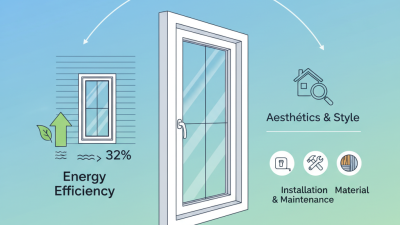
When considering casement windows, it's essential to recognize their significant benefits, particularly in energy efficiency and ventilation. Research by the U.S. Department of Energy reveals that casement windows can be up to 25% more energy-efficient than standard double-hung windows. Their design allows for a tighter seal when closed, reducing air leakage. This can lead to lower energy bills, particularly in extreme climates.
Efficient ventilation is another strong point. Casement windows, when opened, catch the breeze directly, promoting better airflow. According to the American Institute of Architects, effective ventilation can lower indoor CO2 levels by improving air exchange rates. This is crucial for maintaining a healthy living environment. However, homeowners often overlook proper placement. Positioning these windows strategically can maximize benefits, especially in warmer months.
When selecting casement windows, evaluate your needs. Look for models with high insulation ratings. Consider local climate factors; windows that perform well in wet environments may not suit drier areas. Lastly, think about your home’s style. The right design can enhance your home’s curb appeal while providing functional benefits. Balancing aesthetics and performance takes careful thought.
Material Options for Casement Windows: Wood, Vinyl, and Aluminum Comparison
When selecting casement windows, material choices greatly influence aesthetics and functionality. Wood offers a classic appeal. It provides excellent insulation and can be customized easily. However, it requires regular maintenance. Over time, wood may warp or rot. Homeowners need to be consistent in upkeep to retain its beauty.
Vinyl is a popular alternative for those seeking durability. It resists fading, and scratches, and doesn't require painting. Vinyl windows are energy-efficient too. However, options for colors are limited. Some homeowners find this restrictive.
Ultimately, it’s essential to weigh the pros and cons of appearance versus maintenance.
Aluminum presents a modern look with a sleek design. It's lightweight and strong, allowing for larger window constructions. While it’s low maintenance, aluminum can conduct heat. This could raise energy costs. Ensuring proper insulation is necessary. Each option has unique traits, so thoughtful consideration is crucial in aligning them with your home's style.
Choosing the Right Size: Industry Standards and Customization Options
Choosing the right size for casement windows is essential. Industry standards typically dictate sizes for ease of installation and energy efficiency. However, customization offers flexibility. Homeowners often overlook the benefits of tailored sizing. A window that fits perfectly can improve ventilation and enhance aesthetics.
Consider measuring your openings carefully. This step is crucial. Many homes have unique architectural features. Standard sizes may not fit well in these cases. A poorly sized window can lead to drafts and energy loss. Custom options can fill these gaps beautifully, ensuring a snug fit.
Also, reflect on the impact of size on your home’s exterior and interior light. Larger windows might flood your space with natural light but can also compromise privacy. Striking a balance is key. Sometimes, a well-placed smaller window can make a room feel cozier. While standard sizes offer convenience, don’t shy away from exploring custom solutions for your specific needs.
Installation Considerations: Professional Tips for Optimal Performance
When it comes to installing casement windows, professional advice can make a significant difference.
First, consider the alignment of your windows with the framework of your home. Improper alignment can lead to air leaks and increased energy costs. It’s essential to ensure that your windows open and close smoothly. Professionals often recommend checking the hinges and seals before installation. Proper fitting is crucial for efficient performance.
Another vital factor is weatherproofing. Even a minor oversight can result in moisture damage or drafts. Use quality sealing materials to prevent leaks.
Professionals emphasize the importance of selecting the right type of glazing. Single, double, or triple-glazed options provide varying levels of insulation. You should think about your local climate when making this decision.
Lastly, ensure that the window frames are made from durable materials suitable for your environment. Wood, vinyl, or aluminum each has its pros and cons. Choosing the wrong material can lead to premature wear.
Regular maintenance checks post-installation are essential. These measures can prolong the life of your windows and enhance their performance.