China Top 10 Fireproof Windows Manufacturers?
Choosing reliable Fireproof Windows manufacturers in China requires more than comparing catalog images or factory sizes. Fire performance depends on tested glass, frame materials, seals, hardware, and installation details. A window may look robust yet fail when heat reaches its weakest joint. This guide introduces ten Chinese manufacturers associated with fire-rated window production and related building systems. It considers product range, manufacturing experience, testing evidence, project capability, and communication quality.
The selection is not presented as an absolute ranking. No list is flawless. Manufacturer capabilities can change, and product performance may vary by configuration. Buyers should request current test reports, certification records, technical drawings, and installation instructions before making a decision. Check whether the tested assembly matches the proposed size, glass thickness, frame profile, and opening method. Small differences matter.
Look closely at the details. A dependable supplier should explain fire-resistance ratings clearly, such as 30, 60, or 90 minutes, where applicable. It should also provide traceable material information and practical support after delivery. Factory visits, sample inspections, and independent verification can reveal more than polished brochures. Some companies may have strong production capacity but limited experience with overseas approval requirements. Others may offer excellent engineering support but fewer customization options.
This overview aims to make that evaluation easier. It combines observable manufacturing information with practical questions that professional buyers should ask. The final choice still depends on project location, building design, required standards, and installation conditions. Performance begins with evidence, not promises.
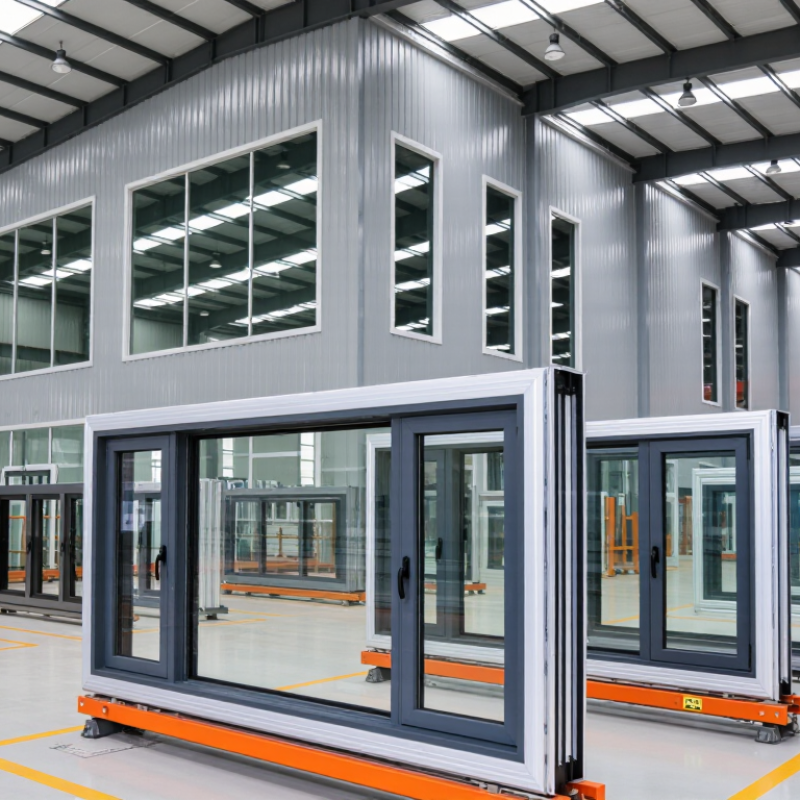
What Are Fireproof Windows and Why Do They Matter?
What Are Fireproof Windows and Why Do They Matter?
“Fireproof window” is a useful phrase, but technically imperfect. Most products are fire-rated window assemblies, not permanently fireproof barriers. They combine tested glass, frames, seals, and hardware. Depending on the design, they may resist flames, smoke, and heat for 20 to 180 minutes. Testing commonly follows standards such as UL 9, NFPA 257, or ASTM E119.
The need is measurable. The NFPA report Fire Loss in the United States During 2023 recorded about 1.39 million fires and 3,670 civilian fire deaths. A properly rated window can slow fire spread between rooms or neighboring buildings. That delay may protect evacuation routes and give firefighters valuable time. It is not dramatic. It is practical.
Installation matters as much as the glass. A small gap around the frame can weaken the entire assembly. Site inspections should check labels, wall ratings, glazing dimensions, fasteners, and approved sealants. Energy performance also deserves attention. The U.S. Department of Energy states that windows can account for roughly 25% to 30% of residential heating and cooling energy use. Fire resistance may increase weight, cost, and solar heat gain. I once underestimated that trade-off; safety specifications alone do not guarantee a comfortable building.
Key Standards for Evaluating Chinese Fireproof Window Manufacturers
China Top 10 Fireproof Windows Manufacturers?
When evaluating Chinese fireproof window manufacturers, test evidence matters more than polished catalogs. NFPA’s Fire Loss in the United States During 2023 reported about 1.39 million fires and 3,670 civilian deaths. A weak window assembly can fail quickly under heat and pressure.
Check compliance with China’s GB 16809 standard for fire-resistant windows. Also compare test methods with ISO 834 or EN 1634-1 when projects involve international requirements. Ask for complete laboratory reports, not only certificates. The report should identify the frame, glazing, seals, hardware, dimensions, and fire rating. A 90-minute claim is meaningless if the tested specimen used different glass or fittings.
Installation Control
Look closely at installation control. Fire performance depends on wall connections, perimeter gaps, anchors, and approved sealants. GB 50016 requirements may also affect the required rating and location. NFPA’s report shows that property losses reached roughly 22.4 billion dollars in 2023, so small specification errors can become expensive. Factory audits should review batch records, welding quality, gasket storage, and traceability labels.
Ask for independent retesting records.
Do not trust one successful sample.
A practical evaluation should include site references, production capacity, complaint handling, and replacement procedures. Some manufacturers provide impressive test data but weak installation guidance. That is an uncomfortable gap. It deserves closer questioning before procurement.
China’s Top 10 Fireproof Window Manufacturers Compared
China’s Top 10 Fireproof Window Manufacturers Compared
China’s top ten fireproof window manufacturers differ in materials, testing depth, customization, and delivery control. This comparison focuses on practical evidence, not advertising claims. The strongest suppliers usually provide complete fire-resistance reports, factory quality records, and traceable glass documentation. They also explain whether their products protect against flames, heat, smoke, or all three.
Several manufacturers specialize in steel frames for hospitals, factories, and stairwells. Others focus on thermally broken aluminum systems for offices and residential projects. Glazing options may include wired, ceramic, or multilayer fire-resistant glass. Buyers should compare tested sizes carefully. A sixty-minute rating may not apply to a larger window or a different frame design.
Certification matters.
Production experience matters too. Experienced factories often control welding, intumescent seals, hardware fitting, and edge finishing more consistently. Site support is another useful divider. Some suppliers offer shop drawings and installation guidance, while others mainly ship finished units. That difference can affect real performance.
The comparison is not perfect. Public test data may be incomplete, and translated documents can create confusion. A reliable buyer should request current reports, sample approvals, inspection photos, and independent verification before ordering. Price alone is a weak measure. A cheaper window may require costly modifications when wall thickness, hardware, or evacuation requirements change. Good manufacturers answer technical questions clearly and accept reasonable scrutiny.
China Top 10 Fireproof Windows Manufacturers Compared
| Rank |
Manufacturer |
Primary Frame System |
Available Fire-Resistance Ratings |
Typical Glazing Type |
Maximum Tested Height |
Thermal Performance |
Acoustic Range |
Common Standards Referenced |
Customization |
| 1 |
Manufacturer A |
Steel |
EI30–EI120 |
Multi-layer fire-rated glass |
3.0 m |
Low-E options available |
36–45 dB |
EN 13501-2; GB/T 9978 |
High |
| 2 |
Manufacturer B |
Steel and aluminum composite |
EI30–EI90 |
Ceramic or laminated fire glass |
2.8 m |
Thermal-break options |
34–43 dB |
EN 1634-1; GB 50016 |
High |
| 3 |
Manufacturer C |
Insulated steel |
EI30–EI120 |
Clear multi-layer fire glass |
3.2 m |
Moderate to high |
35–44 dB |
GB/T 9978; ISO 834 |
Medium |
| 4 |
Manufacturer D |
Aluminum-clad steel |
EI30–EI90 |
Insulating fire-resistant glass |
2.6 m |
Low-E available |
32–42 dB |
EN 13501-2; EN 1634-1 |
High |
| 5 |
Manufacturer E |
Galvanized steel |
EI30–EI60 |
Wired or laminated fire glass |
2.4 m |
Standard insulated glazing |
30–39 dB |
GB 50016; GB/T 9978 |
Medium |
| 6 |
Manufacturer F |
Steel |
E30–EI90 |
Fire-rated laminated glass |
2.7 m |
Standard thermal insulation |
31–40 dB |
EN 1634-1; ISO 834 |
Medium |
| 7 |
Manufacturer G |
Steel and stainless steel |
EI30–EI120 |
Multi-layer insulating glass |
3.0 m |
High thermal performance |
37–46 dB |
EN 13501-2; GB/T 9978 |
High |
| 8 |
Manufacturer H |
Thermally broken aluminum |
E30–EI60 |
Ceramic fire glass |
2.5 m |
Good thermal insulation |
30–40 dB |
EN 1634-1; GB 50016 |
High |
| 9 |
Manufacturer I |
Powder-coated steel |
E30–EI60 |
Single or laminated fire glass |
2.3 m |
Basic thermal insulation |
28–37 dB |
GB/T 9978; GB 50016 |
Medium |
| 10 |
Manufacturer J |
Steel and aluminum |
E30–EI90 |
Laminated or ceramic fire glass |
2.6 m |
Standard insulated glazing |
30–41 dB |
EN 13501-2; ISO 834 |
Medium |
Note: EI ratings indicate integrity and insulation performance under a fire test. Actual performance depends on the complete tested window assembly, including the frame, glazing, hardware, seals, installation method, and approved dimensions. Product certification and test reports should be verified before specification.
How to Select the Right Fireproof Window Supplier in China
When comparing China’s top 10 fireproof window manufacturers, supplier selection matters more than ranking. A polished website proves little. Ask for complete fire-resistance test reports, not only product brochures. The report should match the exact frame, glass, hardware, dimensions, and wall assembly used in your project. A small change can affect performance.
Check whether the testing laboratory is properly accredited and whether the documents remain valid for your target market. Request technical drawings, material specifications, and installation instructions. Fire-resistant performance depends on the whole system. Steel or reinforced frames, intumescent seals, glazing layers, hinges, and closing devices must work together. Do not accept vague claims such as “fireproof forever.” That phrase should raise concern.
Inspect the factory, remotely or in person. Look at corner joints, welding quality, seal placement, glass storage, and batch labeling. Ask for a production sample and a small mock-up before placing a large order. Compare lead times, packaging methods, replacement procedures, and technical support. The lowest quotation may exclude testing, installation guidance, or after-sales service. A perfect checklist does not exist. Paperwork can still hide weak execution. I would keep a reasonable margin for doubt and require independent verification when project risks are high.