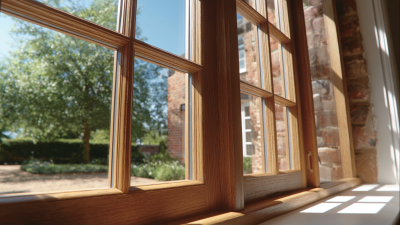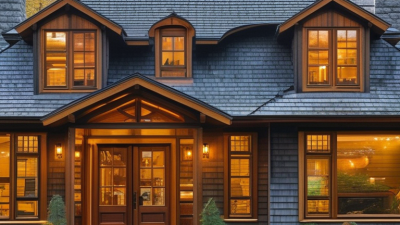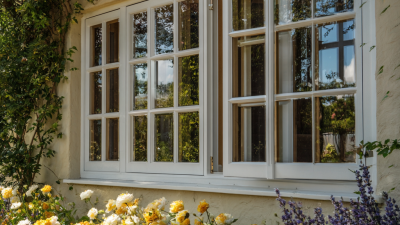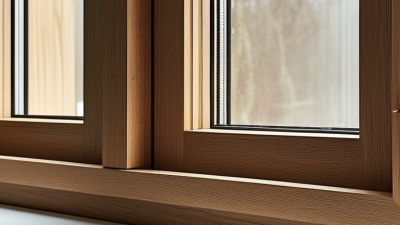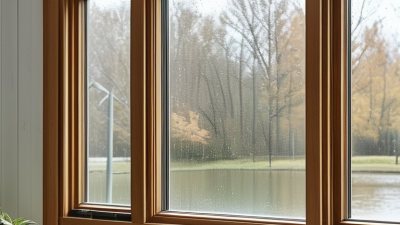
Choosing Timber Casement Windows in 2026 is about more than matching a house’s style. The right choice should suit your climate, maintenance expectations, security needs, and budget. Timber offers a natural finish and can be repaired, but performance depends on careful design, manufacturing, and installation.
Victorian art critic and architecture writer John Ruskin wrote, “When we build, let us think that we build forever.” His words offer a useful lens for choosing windows, though he was not writing specifically about modern casements. Look closely at the timber species, frame construction, glazing options, seals, and finish. Ask suppliers for documented performance data, warranty terms, and clear maintenance guidance. A smooth showroom sample tells only part of the story.
Small details matter. Inspect corner joints and drainage paths. Ask how the coating handles sun, rain, and seasonal movement. Check that the opening style suits the room, furniture, and cleaning access. Then compare whole-window performance, not just glass specifications. Local climate and building requirements can change what performs best, so confirm relevant figures with the manufacturer or a qualified installer.
Timber needs care. That is real. Recoating may be necessary, and poor installation can undermine even a well-made frame. Still, maintenance schedules are often less frightening when explained clearly. This guide will help you weigh appearance against durability, compare product claims, and spot questions worth asking before you order. The choice is rarely perfect; it should be informed, practical, and right for your home.
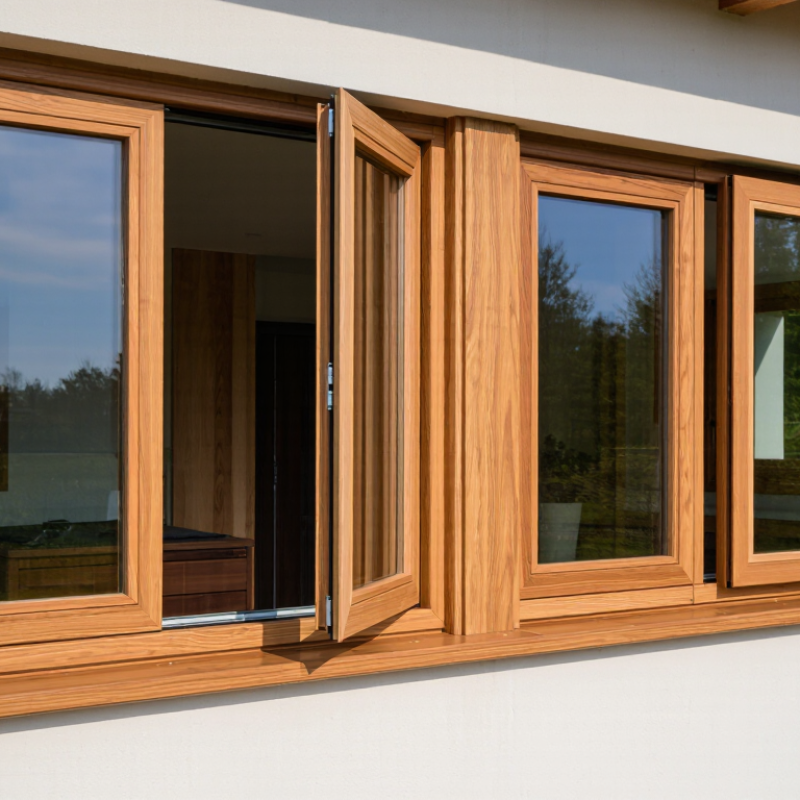
Timber casement windows are hinged at the side and usually swing outward, though some designs open inward. Their straightforward movement makes ventilation easy to adjust: open one sash slightly for a gentle airflow, or wider to clear cooking smells. Small details matter. Check which side the hinges sit on and whether nearby walls, paths, or planting could obstruct the opening.
The frame’s proportions affect both appearance and function. Slimmer sections allow more glass and daylight, while deeper frames can suit older façades and accommodate robust hardware. Look for tight corner joints, even gaps around the sash, and a secure closing mechanism. These details help limit draughts, but timber can still expand or contract as humidity changes. A little seasonal adjustment may be needed.
Consider how the windows will be cleaned and maintained before choosing an opening direction. Ground-floor outward-opening sashes may be easy to reach, while upper-storey windows can require safer access for cleaning. Ask about glazing options, weather seals, drainage, and the finish-renewal schedule. A showroom sample may not reveal how a full-sized sash feels to operate. Check the proposed dimensions and hardware in your actual room, especially where curtains or furniture sit close to the frame.
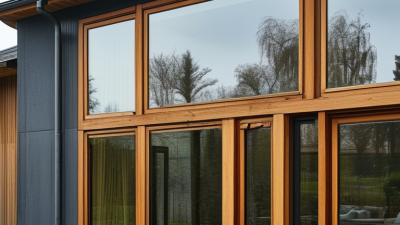
Before comparing timber casement windows, note what each room needs. A narrow kitchen may benefit from an outward-opening sash that clears the worktop, while a bedroom may need easy ventilation and a secure locking system. Check the available wall space, nearby paths, and curtains. Small details matter.
Measure the opening in several places, not just across the middle. Older homes can have uneven reveals, and a neat-looking opening may be slightly out of square. Ask a qualified installer to confirm the final dimensions before ordering. A few millimetres can affect fitting and weather sealing. It happens.
Style should suit the building without making the room feel staged. Slim frames can preserve daylight, while divided panes may echo existing details. Consider how the timber finish will look beside floors, trim, and exterior materials. Then compare performance needs: glazing, draught control, ventilation, and noise reduction. Cold, exposed locations may call for stronger thermal performance; a sheltered room may have different priorities. Review product specifications and installation details together, since even a well-rated window can underperform if fitted poorly. I might give appearance too much weight at first; living with a window means noticing its operation every day.
How to Choose Timber Casement Windows in 2026?
Compare Timber Types, Glazing, and Hardware Options
Choosing timber casement windows starts with the wood, not the finish. Softwoods such as pine are lighter and often more affordable, but need dependable sealing and regular upkeep. Oak and other hardwoods feel dense and resist everyday knocks, though they can cost more and require careful installation. Compare samples in daylight; grain and colour can look different indoors. Ask how the timber is dried and protected, since these details affect stability over time.
Glazing changes comfort, noise, and the window’s overall weight. Double glazing suits many homes, while specialist glass may help with particular acoustic or thermal needs. Check the stated performance figures and confirm they apply to the complete window, not just the glass unit. Hardware matters, too. Look for hinges that hold the sash securely, handles that feel comfortable, and locks that are easy to operate. Test a display window if possible. Small details matter. A heavier sash may need stronger hardware, but that can add cost.
Tips: Match the finish to your willingness to maintain it. Ask how often recoating is recommended, and inspect joints, drainage paths, and seals. These checks are easy to overlook. I’d avoid choosing by appearance alone; even a beautiful sample cannot show how smoothly the finished sash will open.
Lower U-values indicate less heat transfer through the glazing. Low-emissivity coatings and argon-filled cavities can improve insulation, while triple glazing can reduce heat transfer further. These are approximate center-of-glass values, not whole-window ratings; compare certified whole-window U-values when choosing a timber casement window.
When choosing timber casement windows in 2026, compare whole-window U-factors, not just glass specifications. A lower U-factor means less heat transfer. The U.S. Department of Energy reports that windows account for 25–30% of residential heating and cooling energy use. That figure covers windows generally, but it shows why frame, glazing, seals, and installation all matter. Check the NFRC label for rated U-factor and solar heat gain coefficient. A tight-closing casement can help limit drafts, yet poor fitting can undermine that advantage.
Durability depends heavily on keeping water out. The USDA Forest Products Laboratory’s Wood Handbook (FPL-GTR-282) describes moisture as a major factor in wood deterioration. Look closely at exposed end grain, lower sash corners, sill drainage, and paint or coating condition. Ask how often the finish needs inspection and renewal in your local climate; sunny, wet elevations may need more attention. Maintenance claims can sound reassuring, but they are not a substitute for checking details. Small details matter.
Tips: Compare written maintenance guidance and warranty terms alongside energy ratings. After installation, check that each sash closes evenly and the seals contact the frame. Not a perfect test. A seasonal inspection can still reveal early coating cracks or trapped moisture.
How to Choose Timber Casement Windows in 2026?
Review Installation, Regulations, and Total Lifetime Cost
Timber casement windows can serve for decades, but the purchase price is only the starting point. The National Association of Home Builders’ life-expectancy study gives wood windows an approximate 30-year planning life; actual durability depends on exposure, upkeep, and installation. The U.S. Department of Energy’s Energy Saver guidance estimates that windows account for 25–30% of residential heating and cooling energy use. That is a broad estimate, not a promise of savings from replacement. Compare whole-window performance, including frame, glazing, and seals, rather than relying on glass specifications alone. Small details matter.
Installation affects both comfort and long-term repair costs. Ask for a written scope covering frame preparation, flashing, airtightness, and disposal, then check the installer’s references and warranty terms. In England, replacement work must comply with current Building Regulations, including Part L energy-efficiency requirements; ventilation rules under Part F may also apply. Listed buildings and conservation areas can have additional controls, so confirm requirements with the local authority before ordering. Regulations vary by location.
Tips: Request itemised quotes, then add expected repainting, hardware repairs, and glazing costs over the window’s service life. Check how often the exposed outer sill needs recoating. Measure twice. A cheaper quote may exclude making good, and I would not assume every maintenance interval fits every home. Seal condition and paint failure are easy to underestimate.
| Decision Dimension | What to Check | Practical Benchmark or Example | Cost and Lifetime Consideration |
|---|---|---|---|
| Timber selection | Ask for the timber species, joinery details, moisture protection, and whether the frame uses solid or engineered timber. | Engineered timber is made from bonded wood layers and can help reduce movement. Durability still depends on design, coating, drainage, and upkeep. | Compare the complete specification, not just the wood type. A higher purchase price may be worthwhile if the finish and construction are suited to the local exposure. |
| Glazing and thermal performance | Request the whole-window U-value, not only the centre-of-glass figure. Check the glazing specification, seals, and spacer details. | Lower whole-window U-values indicate less heat transfer. Compare products on the same measurement basis and check that the quoted value applies to the size and configuration being purchased. | Better thermal performance can reduce heat loss, but actual savings depend on the existing windows, building, energy prices, and heating use. |
| Installation and survey | Confirm who measures the openings, removes existing frames, handles waste, fits the windows, seals the perimeter, and makes good internal and external finishes. | A site survey should record opening sizes, wall construction, sill condition, access, opening direction, and any unevenness before manufacture. | Compare like-for-like written quotations. Clarify whether scaffolding, disposal, repairs, decoration, and finishing are included or charged separately. |
| Building regulations and permissions | Check the rules for the property’s location and type before ordering. Requirements can cover energy performance, ventilation, safety glazing, and security. | In England, replacement window work may need to meet applicable Building Regulations and be documented through an accepted competent-person route or building control. Rules differ across the UK. | Listed buildings, conservation areas, and planning conditions may require additional approval or particular designs. Confirm requirements with the local authority before committing. |
| Ventilation and safety | Check that the design preserves required background ventilation and provides suitable safety glazing where needed. | Opening size, restrictors, escape routes, and glass location can affect compliance. Have the installer assess the room and proposed window layout. | Changing the opening configuration or adding compliant hardware can affect the quotation. Resolve these details during design, not after manufacture. |
| Finish and maintenance access | Ask whether the frames are factory-finished, what coating system is used, and how often inspection and recoating are recommended. | Sun exposure, wind-driven rain, and sheltered or exposed elevations can cause different maintenance intervals. Follow the product’s care instructions. | Include periodic cleaning, inspection, and coating renewal in the ownership budget. Neglect can lead to more costly repairs to exposed timber or joints. |
| Hardware, security, and repairability | Check hinge and locking arrangements, replacement-part availability, and whether individual components can be repaired or replaced. | Multi-point locking and robust hinges can improve practical security, but the complete installed window and its certification matter more than a single hardware feature. | Repairable hardware may reduce future replacement costs. Confirm warranty coverage, exclusions, and who is responsible for adjustment after installation. |
| Illustrative 30-year cost model | Compare purchase and installation cost with planned maintenance and likely repair needs over the same period. | Example only: £1,200 installed, plus five £150 maintenance visits over 30 years, gives £1,950 before repairs, inflation, energy savings, or discounting. | Use your own quotations and maintenance plan. This example is not a market average or a guarantee; window size, access, finish, location, and specification change the total. |
| Final quotation check | Ensure the quote identifies window dimensions, opening style, glazing, finish, hardware, installation scope, disposal, approvals, warranty, and payment terms. | Ask for any exclusions and assumptions in writing, and compare at least two detailed quotations on the same specification. | The lowest upfront price may not be the lowest lifetime cost if installation, finishing, maintenance, or necessary compliance work is excluded. |
Note: Regulatory requirements and product standards vary by jurisdiction and can change. Verify current local requirements and obtain project-specific quotations before purchase.